Views: 222 Author: Tomorrow Publish Time: 2025-02-02 Origin: Site


Content Menu
● Understanding Rabbit Chewing Behavior
>> The Importance of Dental Health
● Are Wicker Baskets Safe for Rabbits?
● Benefits of Wicker Baskets for Rabbits
● How to Safely Introduce Wicker Baskets
● Alternatives to Wicker Baskets
● Signs Your Rabbit Is Enjoying Their Basket
● Potential Risks of Wicker Baskets
● FAQ
>> 1. Can rabbits eat wicker baskets?
>> 2. How do I know if a wicker basket is treated?
>> 3. What should I do if my rabbit eats too much of a wicker basket?
>> 4. Are there any specific types of wood that are unsafe for rabbits?
>> 5. What other materials are safe for rabbits to chew on?
Rabbits are known for their incessant chewing habits, which are essential for their dental health and overall well-being. As pet owners, we often look for safe materials that our furry friends can gnaw on without harm. One common item that comes to mind is wicker baskets. This article explores whether wicker baskets are safe for rabbits to chew, the types of wicker that are suitable, and how to ensure your rabbit's safety while enjoying these items.
Rabbits have a natural instinct to chew. This behavior helps them maintain their dental health by wearing down their continuously growing teeth. In the wild, rabbits chew on various materials, including wood and plants. Providing safe alternatives at home is crucial to prevent them from damaging furniture or ingesting harmful substances.
Rabbits' teeth grow continuously throughout their lives, necessitating regular wear to prevent dental problems. Overgrown teeth can lead to painful conditions and difficulty eating, which may ultimately affect a rabbit's overall health. Chewing on appropriate materials helps keep their teeth in check and ensures they remain healthy.
The safety of wicker baskets for rabbits largely depends on the materials used to make them. Here are some key points to consider:
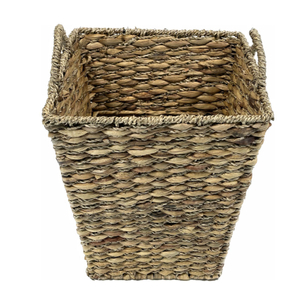
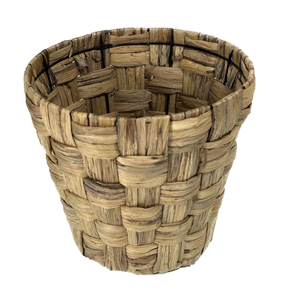
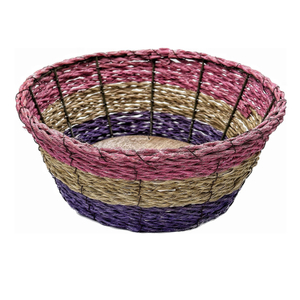
- Natural vs. Treated Wicker: Not all wicker is created equal. Wicker baskets made from natural materials like willow or rattan are generally safe for rabbits. However, baskets treated with chemicals or dyes can be harmful if ingested. Always opt for untreated wicker baskets to ensure your rabbit's safety.
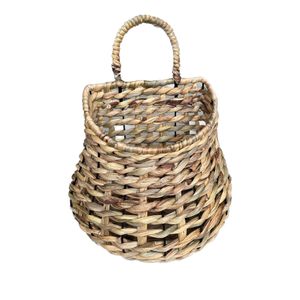
- Material Inspection: When choosing a wicker basket, inspect it carefully. Look for signs of treatment, such as shiny surfaces or vibrant colors that may indicate the use of dyes or chemicals. Natural wicker typically has a matte finish and earthy tones.
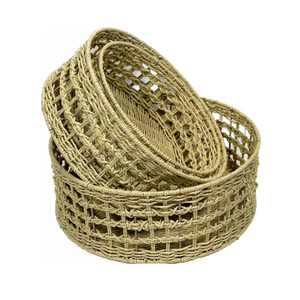
- Size and Shape: The size and shape of the basket also matter. Smaller baskets may be easier for rabbits to chew on and manipulate, while larger ones can serve as hiding spots or play areas.
Wicker baskets can offer several benefits for your pet:
- Dental Health: Chewing on natural wicker helps wear down rabbits' teeth, preventing dental issues such as overgrowth or misalignment.
- Mental Stimulation: Baskets can provide an engaging environment for rabbits, encouraging exploration and play. Filling a basket with hay or treats can stimulate their natural foraging instincts.
- Comfort and Security: Wicker baskets can serve as cozy hiding spots where rabbits feel safe and secure, reducing stress and anxiety.
- Environmental Enrichment: Providing different textures and materials in your rabbit's environment is crucial for mental health. Wicker adds variety that can enhance their living space.
To ensure your rabbit enjoys their new wicker basket safely:
1. Choose Wisely: Select baskets made from untreated natural materials like willow or rattan.
2. Supervise Playtime: Always supervise your rabbit while they interact with the basket, especially during the initial introduction phase.
3. Regular Inspections: Check the basket regularly for any signs of wear or damage that could pose a choking hazard.
4. Limit Access: If your rabbit seems overly enthusiastic about chewing the basket, consider limiting their access to prevent excessive ingestion.
5. Create a Safe Space: Designate an area in your home where your rabbit can safely explore the basket without other distractions or hazards.

If you're concerned about the safety of wicker baskets, there are plenty of alternatives that provide similar benefits:
- Untreated Wood Chews: Offer safe wood options like apple or willow branches. These not only satisfy chewing instincts but also provide additional nutrients.
- Cardboard Boxes: Simple cardboard boxes can provide both chewing opportunities and hiding spots. They are easily replaceable and can be found around the house.
- Commercial Rabbit Toys: Many pet stores offer specially designed chew toys made from safe materials like hay-based products or untreated wood.
- Hay Balls: These are made from compressed hay and provide both chewing satisfaction and nutritional benefits.
When introducing a wicker basket to your rabbit's environment, it's essential to observe their behavior closely:
- Chewing Enthusiasm: If your rabbit eagerly approaches the basket and starts chewing on it without hesitation, it likely enjoys the texture and taste.
- Exploration Behavior: Rabbits are naturally curious creatures; if they spend time exploring the basket rather than ignoring it, this is a good sign that they find it interesting.
- Comfortable Resting Spot: If you notice your rabbit curling up inside the basket or using it as a resting spot, it indicates they feel secure in its presence.
While wicker baskets can be beneficial, there are potential risks associated with them:
- Choking Hazards: If a rabbit chews off large pieces of wicker, there is a risk of choking or gastrointestinal blockage if ingested.
- Chemical Exposure: As previously mentioned, treated wicker may contain harmful chemicals that could adversely affect your rabbit's health if consumed over time.
- Allergic Reactions: Some rabbits may have sensitivities or allergies to specific materials used in wicker production; always monitor your pet's reactions when introducing new items.
In conclusion, wicker baskets can be a safe and enjoyable option for rabbits as long as they are made from untreated natural materials. They provide numerous benefits, including dental health support and mental stimulation while serving as cozy hideaways. However, it's essential to choose wisely, supervise your pet's interactions with the basket, and regularly inspect it for safety. By following these guidelines, you can create an enriching environment that promotes your rabbit's overall well-being.
Yes, rabbits can chew on wicker baskets made from untreated natural materials like willow or rattan without harm.
Look for shiny surfaces or vibrant colors that may indicate chemical treatments; natural wicker has a matte finish and earthy tones.
Monitor your rabbit closely; if you notice any signs of distress or gastrointestinal issues, consult a veterinarian immediately.
Yes, avoid giving rabbits wood from toxic trees such as cedar, cherry, peach, and avocado.
Safe chewing options include untreated wood branches (like apple), cardboard boxes without ink, and commercial toys made from natural materials.
[1] https://thanhcongcraft.com/are-wicker-baskets-safe-for-rabbits-to-eat/
[2] https://wickerbasketsuk.com/wicker-baskets-for-rabbits/
[3] https://rabbit.org/behavior/more-than-just-a-chew-stick/
[4] https://www.rabbitholehay.com/products/binkybunny-square-basket
[5] https://www.rabbitholehay.com/blogs/rabbit-hole-hay-blog/preventing-a-rabbits-house-chewing-woes
[6] https://rabbit.org/behavior/playthings-how-bunnies-use-them/
[7] https://oxbowanimalhealth.com/blog/what-materials-are-safe-for-rabbits-to-chew/
[8] https://pangovet.com/pet-health-wellness/rabbits/rabbit-chewing-guide/
[9] https://www.petmd.com/rabbit/care/how-pick-out-safe-rabbit-toys
[10] https://rabbitresource.org/rabbit-care-information-and-resources/housing-for-rabbits/bunny-proofing-tips-tricks/
[11] https://forums.rabbitrehome.org.uk/index.php
[12] https://binkybunny.com/forums/topic/safe-basketsae/
[13] https://www.rabbitsonline.net/threads/how-to-tell-if-wicker-basket-is-treated.86485/
[14] https://wickerbasketsuk.com/rabbit-wicker-basket/
[15] https://binkybunny.com/forums/topic/is-rush-material-safe-for-rabbitsae/
[16] https://binkybunny.com/forums/topic/how-to-tell-if-wicker-is-treatedae/
[17] https://www.rabbitsonline.net/threads/eating-wicker.78306/
[18] https://wellkeptrabbit.com/products/large-square-willow-basket-75023
[19] https://www.alamy.com/stock-photo-domestic-rabbit-juveniles-eating-grass-and-clover-from-a-wicker-basket-137513365.html
[20] https://www.youtube.com/watch?v=RxdU5U59EuM
[21] https://www.sfadopt.com/media/Education/Rabbits.pdf
[22] https://www.rabbitsonline.net/threads/wicker-how-much-is-too-much.99722/