Views: 222 Author: Tomorrow Publish Time: 2025-02-16 Origin: Site


Content Menu
● The Allure of Wicker: Why Spiders Love These Baskets
● Unveiling the Common Spider Species Found in Wicker Baskets
● Step-by-Step Guide: Eliminating Spiders from Wicker Baskets
● Advanced Strategies: Long-Term Spider Prevention
● Addressing Common Concerns: Debunking Myths About Spiders and Wicker Baskets
● Real-Life Examples: Success Stories of Spider-Free Wicker Baskets
● The Environmental Impact: Choosing Eco-Friendly Spider Control Methods
● Wicker Basket Care: Preventing Future Infestations
● Interactive Section: Share Your Experiences and Tips
● FAQ
>> 1. Why do spiders like wicker baskets?
>> 2. Are all spiders in wicker baskets dangerous?
>> 3. How can I get rid of spiders in my wicker basket?
>> 4. What are some preventative measures to keep spiders away from wicker baskets?
>> 5. Can I use pesticides to get rid of spiders in wicker baskets?
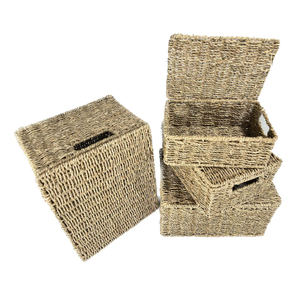
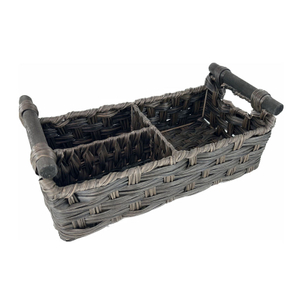
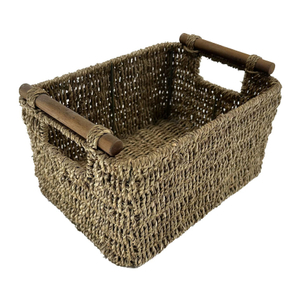
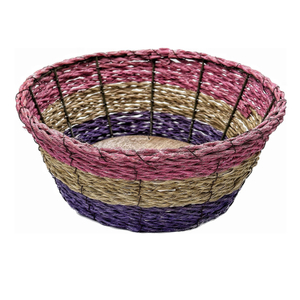
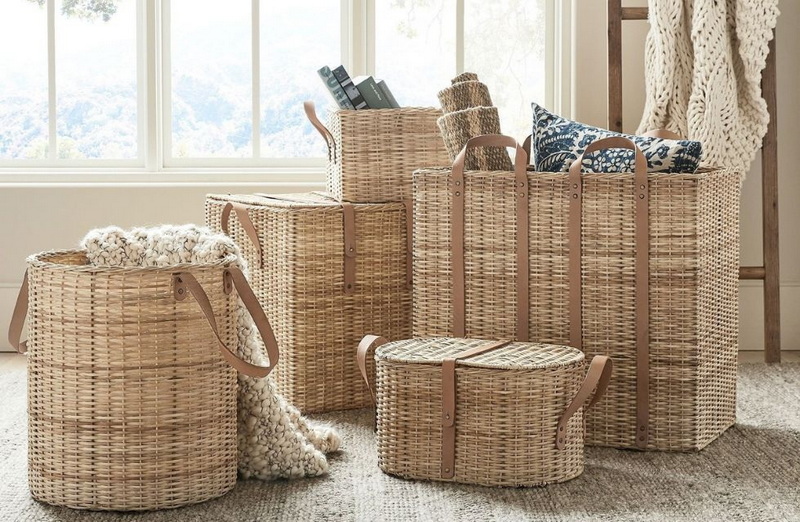
Wicker baskets, with their charming, woven texture, bring a touch of rustic elegance to any home. Their versatility makes them perfect for storage, décor, and even as unique planters. However, beneath their appealing aesthetics lies a concern for many homeowners: Do wicker baskets attract spiders? This comprehensive guide delves into the intricate relationship between wicker baskets and spiders, exploring the reasons behind this attraction, the types of spiders you might encounter, and, most importantly, how to keep these eight-legged creatures at bay.
Wicker, traditionally crafted from natural materials such as rattan, bamboo, or reed, possesses inherent qualities that can inadvertently attract spiders[7]. The very nature of its construction—the interwoven strands creating a myriad of nooks and crannies—provides an ideal habitat for these arachnids[1]. Here's a detailed breakdown of why spiders are drawn to wicker baskets:
- Shelter and Security: The dense weave of wicker offers spiders a secure refuge from predators and the elements. The enclosed spaces mimic their natural habitats, providing a safe haven to build their webs and lay eggs[1].
- Hunting Grounds: Wicker baskets often become a hub for other small insects, which serve as a food source for spiders. The basket's structure provides ample opportunities for spiders to ambush their prey, making it a convenient hunting ground[4].
- Humidity and Moisture: Natural wicker materials can retain moisture, creating a humid environment that certain spider species prefer. This is especially true for baskets located in damp areas or outdoors[7].
- Camouflage: The natural tones and textures of wicker provide excellent camouflage for spiders, allowing them to blend seamlessly into their surroundings while they await their next meal.
While any spider might occasionally wander into a wicker basket, certain species are more commonly found nesting within these cozy confines. Here are some of the usual suspects:
- House Spiders (Parasteatoda tepidariorum): These common spiders are notorious for building messy, tangled webs in undisturbed areas, making wicker baskets an ideal location[3]. They are generally harmless to humans but can be a nuisance due to their webs.
- Cobweb Spiders (Family Theridiidae): Similar to house spiders, cobweb spiders create irregular, tangled webs in dark corners and crevices. They are often found in wicker baskets, preying on small insects that venture inside[3].
- Jumping Spiders (Family Salticidae): These active hunters don't rely on webs to catch their prey. Instead, they use their excellent eyesight to stalk and pounce on insects. Wicker baskets provide a perfect vantage point for these spiders to survey their surroundings and launch surprise attacks[8].
- Cellar Spiders (Pholcus phalangioides):Also known as "daddy long-legs," cellar spiders are easily identified by their long, thin legs and small bodies. They prefer damp, dark environments and often build their webs in the corners of rooms or inside wicker baskets[3].
- Wolf Spiders (Family Lycosidae): These ground-dwelling spiders are known for their hunting prowess and maternal care. While they don't typically build webs, they may seek shelter in wicker baskets, especially those located outdoors[3].
Discovering spiders in your wicker baskets can be unsettling, but don't worry! Here's a comprehensive, step-by-step guide to safely and effectively evict these unwanted guests:
1. Preparation is Key:
- Gather your supplies: You'll need a vacuum cleaner with a hose attachment, a soft-bristled brush, mild soap, warm water, and a clean cloth.
- Protect yourself: Wear gloves to avoid direct contact with spiders or their webs. A dust mask is also recommended to prevent inhaling dust or allergens.
- Move the basket: Carefully transport the infested basket to an outdoor area, such as a patio or garden, to prevent spiders from escaping into your home.
2. Vacuuming the Spiders and Webs:
- Attach the hose: Connect the hose attachment to your vacuum cleaner.
- Thoroughly vacuum: Systematically vacuum the entire surface of the wicker basket, paying close attention to crevices, corners, and any visible webs or spiders.
- Dispose of the bag: Immediately dispose of the vacuum cleaner bag or empty the canister into a sealed bag to prevent spiders from escaping.
3. Cleaning the Wicker Basket:
- Prepare the cleaning solution: Mix a small amount of mild soap with warm water.
- Gentle scrubbing: Dip the soft-bristled brush into the soapy water and gently scrub the surface of the wicker basket to remove any remaining dirt, debris, or spider residue.
- Rinse with clean water: Use a clean, damp cloth to rinse the basket with fresh water, removing any soap residue.
- Thorough drying: Allow the wicker basket to air dry completely in a well-ventilated area before bringing it back indoors.
4. Natural Repellents:
- Essential oils: Spiders are repelled by certain essential oils, such as peppermint, eucalyptus, and tea tree oil. Dilute a few drops of your chosen oil with water in a spray bottle and lightly mist the wicker basket.
- Vinegar solution: Mix equal parts white vinegar and water in a spray bottle and apply it to the basket. Vinegar is a natural spider repellent and can also help to clean and disinfect the wicker.
- Diatomaceous earth: This natural powder is made from fossilized algae and is harmless to humans and pets but deadly to spiders. Sprinkle a thin layer of diatomaceous earth around the base of the wicker basket or in crevices where spiders may hide.
5. Preventative Measures:
- Regular cleaning: Regularly clean your wicker baskets to remove dust, debris, and potential food sources for spiders.
- Seal crevices: Use caulk or sealant to seal any large cracks or crevices in the wicker that may provide hiding places for spiders.
- Strategic placement: Avoid placing wicker baskets in damp or dark areas, as these environments are more attractive to spiders.
- Monitor for pests: Keep an eye out for other pests that may attract spiders, such as ants or flies, and take steps to control their populations.

To ensure your wicker baskets remain spider-free in the long run, consider implementing these advanced prevention strategies:
- Protective Coatings: Apply a sealant or varnish specifically designed for wicker furniture. These coatings create a barrier that deters spiders and other pests from penetrating the material.
- Professional Pest Control: If you're dealing with a severe spider infestation, consider consulting a professional pest control service. They can provide targeted treatments and advice on long-term prevention strategies.
- Spider-Repelling Plants: Certain plants, such as lavender, mint, and rosemary, are known to repel spiders. Place these plants near your wicker baskets to create a natural spider deterrent.
- Ultrasonic Pest Repellers: These devices emit high-frequency sound waves that are said to repel spiders and other pests. Place an ultrasonic pest repeller near your wicker baskets to create an inhospitable environment for spiders.
- Myth: Wicker baskets are the primary cause of spider infestations.
- Fact: While wicker baskets can provide shelter for spiders, they are not the sole cause of infestations. Spiders are naturally present in most environments, and wicker baskets simply offer a convenient hiding place.
- Myth: All spiders found in wicker baskets are dangerous.
- Fact: The vast majority of spiders found in wicker baskets are harmless to humans. While some species may bite if threatened, their venom is typically not potent enough to cause serious harm.
- Myth: Once spiders infest a wicker basket, it's impossible to get rid of them.
- Fact: With the right techniques and preventative measures, it is possible to eliminate spiders from wicker baskets and keep them from returning.
- The Case of the Craft Room: Sarah, an avid crafter, had a beautiful set of wicker baskets in her craft room. However, she noticed an increasing number of spiders nesting within them. Following the steps outlined in this guide, she thoroughly cleaned the baskets, applied a peppermint oil solution, and sealed any cracks or crevices. As a result, her craft room is now spider-free, and she can enjoy her hobby without any creepy-crawly distractions.
- The Outdoor Oasis: John and Mary loved using wicker baskets to decorate their patio. However, they found that the baskets were constantly infested with spiders. They decided to try a combination of strategies, including regular cleaning, diatomaceous earth, and spider-repelling plants. To their delight, the spiders vanished, and they can now relax on their patio without worrying about unwanted guests.
When it comes to controlling spiders in and around your wicker baskets, it's essential to consider the environmental impact of your chosen methods. Opting for eco-friendly solutions not only protects the environment but also ensures the safety of your family and pets.
- Natural Repellents: Essential oils, vinegar, and diatomaceous earth are all natural and non-toxic options that effectively repel spiders without harming the environment.
- Physical Removal: Instead of resorting to harmful chemicals, focus on physically removing spiders and their webs from your wicker baskets. This can be done using a vacuum cleaner, brush, or damp cloth.
- Beneficial Insects: Encourage the presence of beneficial insects, such as ladybugs and lacewings, in your garden. These insects prey on spiders and other pests, helping to keep their populations in check.
- Avoid Broad-Spectrum Pesticides: Broad-spectrum pesticides can harm beneficial insects, pollinators, and other wildlife. Avoid using these chemicals unless absolutely necessary, and always follow the manufacturer's instructions carefully.
Proper care and maintenance of your wicker baskets are crucial for preventing future spider infestations. Here are some essential tips to keep in mind:
- Regular Dusting: Dust your wicker baskets regularly to remove cobwebs, dust, and other debris that can attract spiders.
- Avoid Overwatering: If using wicker baskets as planters, avoid overwatering your plants. Excess moisture can create a humid environment that spiders love.
- Inspect Regularly: Periodically inspect your wicker baskets for signs of spider activity, such as webs, egg sacs, or spiders themselves.
- Store Properly: When not in use, store your wicker baskets in a dry, well-ventilated area to prevent moisture buildup and spider infestations.
We encourage you to share your experiences and tips for keeping spiders away from wicker baskets in the comments section below. Your insights can help other readers create spider-free homes and enjoy the beauty of wicker without any unwanted guests.
While wicker baskets can attract spiders due to their intricate weave and natural materials, understanding the reasons behind this attraction is the first step toward effective prevention. By implementing the strategies outlined in this comprehensive guide, you can create a spider-free environment and enjoy the beauty and functionality of your wicker baskets without any creepy-crawly surprises. Remember, regular cleaning, natural repellents, and preventative measures are key to keeping these eight-legged creatures at bay.

Wicker baskets provide spiders with shelter, a hunting ground, and a humid environment, making them an attractive habitat[1][4][7].
No, the majority of spiders found in wicker baskets are harmless to humans[3].
Vacuum the basket thoroughly, clean it with mild soap and water, and use natural repellents like essential oils or vinegar[7].
Regularly clean the baskets, seal crevices, and avoid placing them in damp areas[7].
It's best to avoid pesticides and opt for natural, eco-friendly methods to protect the environment and your family[7].
[1] https://thanhcongcraft.com/does-rattan-attract-bugs/
[2] https://www.mesaverde.org/kit-hopi-wicker-basket
[3] https://pmc.ncbi.nlm.nih.gov/articles/PMC8960780/
[4] https://fehandicraft.com/do-rattan-furniture-attract-bugs-how-to-prevent-and-treat-insect-infestations/
[5] https://www.argos.co.uk/product/3413986
[6] https://pmc.ncbi.nlm.nih.gov/articles/PMC1559872/
[7] https://rusticsocial.co.uk/do-wicker-baskets-attract-bugs-exploring-garden-furniture-concerns
[8] https://www.etsy.com/listing/1719376158/wicker-basket-spood-hide
[9] https://www.reddit.com/r/pestcontrol/comments/z1gqaa/found_these_critters_in_my_wicker_baskets_between/