Views: 222 Author: Linda Publish Time: 2026-05-18 Origin: Site


A well‑organised kitchen doesn't just look beautiful – it saves time, reduces waste, and makes everyday cooking genuinely enjoyable. In this expert guide, we will show you how to organise your kitchen cupboards with kitchen storage baskets, drawing on over 22 years of manufacturing experience with natural and synthetic woven materials. [reimaginehome]
Kitchen storage baskets turn chaotic cupboards into clearly structured zones, so you can see what you own and find it in seconds. They corral loose packets, jars and tins, prevent items rolling around, and help you use every centimetre of shelf space. [tinyspoonchef]
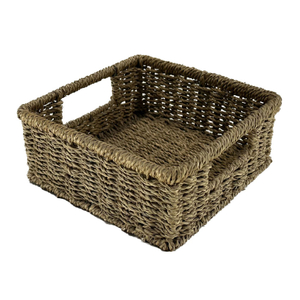
From an industry perspective, baskets made from durable materials like seagrass, water hyacinth, rattan or quality plastic can withstand daily use, humidity and frequent handling in a busy kitchen. When thoughtfully sized and placed, they support modern organisation best practices such as zoning, visibility and easy maintenance. [3iplanet]
Professional organisers and kitchen designers consistently recommend starting by completely emptying cupboards and drawers before reorganising. Remove every item, check expiry dates, and sort anything broken, duplicate or unused into "keep", "donate" or "discard" piles. [aultman]
Then:
- Vacuum crumbs and dust from shelves. [linkedin]
- Wipe surfaces with a microfibre cloth and mild multipurpose spray. [linkedin]
- Degrease sticky or oily areas with warm water plus a few drops of washing‑up liquid. [linkedin]
This creates a hygienic, neutral base so your new kitchen baskets stay clean and your system lasts longer. [aultman]
Before you buy baskets, think like a professional kitchen planner and define your zones: prep, cooking, cleaning and storage. This ensures every basket has a clear purpose and lives in the right area. [reimaginehome]
For example:
- Cooking zone: Oils, spices, and sauces near the hob in heat‑tolerant baskets. [tinyspoonchef]
- Prep zone: Dry goods and baking supplies close to your main worktop. [reimaginehome]
- Cleaning zone: A basket under the sink for detergents and cloths, stored away from food. [aultman]
- Snack & breakfast zone: Kid‑friendly baskets at lower levels so family members can help themselves. [reimaginehome]
Pro tip (manufacturer insight): When we design baskets for kitchen use, we test how easily they can be pulled out with one hand and how stable they are when loaded with tins or jars. Choosing baskets with reinforced rims and sturdy handles makes daily use smoother and safer. [3iplanet]
Once your cupboards are clean, group your items into practical categories that will each live in their own basket. [linkedin]
Common, highly effective categories include: [reimaginehome]
- Dry goods (pasta, rice, beans, cereals)
- Baking supplies (flour, sugar, baking powder, decorations)
- Spices and condiments
- Snacks and treats (keep sweet and savoury separate)
- Tea, coffee and hot drinks
- Breakfast items (cereal, spreads, oats)
- Tins and jars
- Cleaning supplies
This approach:
- Cuts visual clutter. [linkedin]
- Makes it easier to see what you are running low on. [reimaginehome]
- Reduces buying duplicates and food waste. [aultman]
Before purchasing any kitchen storage baskets, measure the internal width, depth and height of your cupboards and shelves. Allow a little clearance at the top so baskets can slide out easily without scraping. [linkedin]
Ask yourself:
- Do you need one or two large baskets to hold bulk items like family‑size cereal boxes? [linkedin]
- Or do you need several smaller baskets to separate snacks, tins and packets for better visibility? [tinyspoonchef]
A mix of sizes usually works best: large for bulk storage, medium for everyday categories, and small for spices, sachets or tea. [reimaginehome]
From a manufacturer's standpoint, different materials behave differently in a warm, often humid kitchen. Here is a quick reference guide: [3iplanet]
Basket Material | Look & Feel | Best Uses In Kitchen |
|---|---|---|
Seagrass / Water Hyacinth | Natural, textured, eco‑friendly | Dry goods, snacks, tea & coffee |
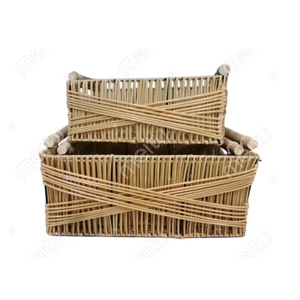
Rattan / Wicker | Rustic, structured, classic | Pantry staples, crockery, tableware |
Bamboo | Light, modern, sustainable | Small items, drawers, countertop storage |
Paper Rope / Woven Paper | Soft, lightweight | Light items, snack packs, napkins |
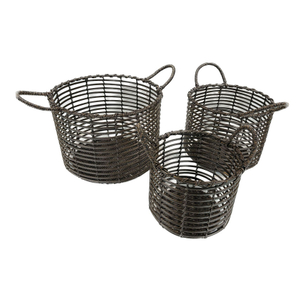
Synthetic Rattan / Plastic | Wipe‑clean, moisture‑resistant | Cleaning products, under‑sink, heavy cans |
Natural fibres like seagrass, water hyacinth, rattan, fern and bamboo bring warmth and a handcrafted feel, while synthetic rattan and plastic baskets are ideal for high‑moisture areas and heavy loads. Many homeowners combine both types to balance aesthetics and practicality. [3iplanet]

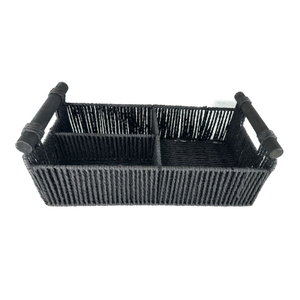
Modern homes often mix cool grey wicker, crisp white baskets, or natural buff rattan to complement different cabinet finishes. Grey or white wicker is ideal for contemporary, minimalist spaces, while natural rattan suits country or rustic kitchens. [linkedin]
For visual cohesion:
- Repeat the same basket colour along one shelf. [linkedin]
- Use similar textures (e.g. all rattan) in open shelving for a calm, "Pinterest‑style" look. [linkedin]
- Reserve bolder colours or mixed materials for inside closed cupboards if you want a cleaner exterior appearance. [reimaginehome]
As a manufacturer, we have seen that customers respond strongly to collections where the same weave and colour run across multiple sizes – it makes the whole pantry feel custom‑built rather than pieced together. [3iplanet]
Labelling is essential if you want your kitchen system to be family‑friendly and sustainable over time. It helps children, guests and partners put items back correctly and speeds up unpacking groceries. [reimaginehome]
Popular options include: [linkedin]
- Tie‑on card tags: Affordable, easy to rewrite; attach with twine or ribbon.
- Embossed clay tags: Add personality and texture; perfect for rustic kitchens.
- Basket clips (acrylic or metal): Slide over the basket rim; easy to move or update.
Handmade and customised labels are widely available from marketplaces such as Etsy, where makers offer engraved, embossed or printed tag sets to match your décor. [linkedin]
To make this as practical as possible, here is a simple framework you can follow:
1. Empty and clean all cupboards and drawers. [reimaginehome]
2. Group items into categories on your worktop or dining table. [linkedin]
3. Measure your shelves and decide how many baskets you need in each area. [linkedin]
4. Assign baskets to zones (cooking, prep, snacks, cleaning, drinks, etc.). [tinyspoonchef]
5. Load baskets thoughtfully, placing heavier items at the bottom and lighter items on top. [linkedin]
6. Add labels so categories are instantly visible. [linkedin]
7. Position baskets strategically – daily essentials at eye level, rarely used items higher or lower. [reimaginehome]
From a usability standpoint, this mirrors the approach used in professional kitchens and aligns with expert recommendations on kitchen zoning and storage optimisation. [tinyspoonchef]

Organisation is not a one‑time project; it's a habit. To keep your "Pinterest pantry" looking and working beautifully: [reimaginehome]
- Check expiry dates monthly and clear out anything stale or unused. [aultman]
- Return items to their basket immediately after use – a 5‑second habit that prevents clutter. [linkedin]
- Dust and brush baskets inside and out occasionally to remove crumbs and maintain fibre quality. [linkedin]
For woven baskets, gentle brushing keeps the weave fresh, while avoiding soaking helps preserve natural fibres like seagrass and rattan over the long term. [3iplanet]
Wicker and woven baskets are incredibly versatile and can organise far more than just pantry shelves. Many homeowners also use them for: [linkedin]
- Cutlery and utensil holders on the worktop or dining table. [linkedin]
- Napkin holders and tableware trays for everyday meals or outdoor dining. [linkedin]
- Indoor planter covers to soften the look of potted herbs or houseplants. [linkedin]
- Shopping baskets and produce storage for fruit, bread or farmers' market finds. [linkedin]
Thoughtfully chosen baskets add both function and rustic sophistication, tying together the visual language of your kitchen and dining spaces. [3iplanet]
From a manufacturing and product‑testing point of view, matching material to usage area dramatically increases lifespan. [3iplanet]
- High‑moisture areas (under sink, near dishwasher):
Choose synthetic rattan or quality plastic baskets that are easy to wipe clean and less affected by splashes. [3iplanet]
- Dry pantry shelves and open shelving:
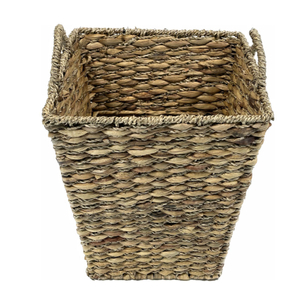
Natural materials such as seagrass, water hyacinth, rattan, fern and bamboo add warmth and texture, ideal for dry goods and crockery. [3iplanet]
- Drawers and small compartments:
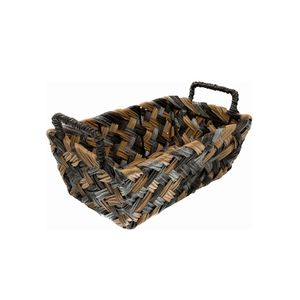
Mixed‑material baskets and paper rope trays help keep tools, tea towels, foil and wraps tidy without adding bulk. [3iplanet]
This hybrid approach delivers the best of both worlds – the beauty of natural fibres with the practicality of synthetic options in demanding spots. [3iplanet]
Interior organisers emphasise visibility and vertical space as key to an efficient kitchen. [tinyspoonchef]
To get more from your cupboards:
- Use lower‑profile baskets on tall shelves and pair them with shelf risers so you can see the back row. [tinyspoonchef]
- Choose baskets with a cut‑out handle or open front for deep cupboards so nothing hides at the back. [tinyspoonchef]
- Keep transparent containers inside baskets for items like pulses or snacks to boost visibility while still containing groups. [tinyspoonchef]
Combining baskets with rack inserts, clear containers and labels aligns with expert trends in modern kitchen organisation, supporting both aesthetics and function. [tinyspoonchef]
Wicker is not just practical – it adds character. To style your kitchen with woven accents: [linkedin]
- Place a round wicker planter with herbs near the window or on a shelf. [linkedin]
- Use a market‑style shopping basket to store fresh produce on the counter. [linkedin]
- Add woven lanterns or decorative bowls for seasonal displays (e.g. citrus in summer, pinecones in winter). [linkedin]
These details create a warm, lived‑in feeling that pairs beautifully with natural stone, wood, white cabinetry and even ultra‑modern finishes. [reimaginehome]
High‑quality kitchen storage baskets combine durable materials, consistent weaves and well‑reinforced frames so they can handle daily use without losing shape. Look for: [3iplanet]
- Smooth, even weaving with no sharp ends. [3iplanet]
- Sturdy bases that sit flat and support weight. [linkedin]
- Handles that are integrated into the structure, not just glued on. [3iplanet]
Manufacturers like HNL Co., Ltd., with decades of experience in seagrass, water hyacinth, rattan, fern, bamboo and synthetic weaving, design baskets specifically for home and kitchen storage, ensuring both beauty and reliability. Many such suppliers also work with international brands and retailers, so their products already meet strict export and quality requirements. [3iplanet]
Ready to transform your kitchen? Explore our collection of handcrafted natural and synthetic kitchen baskets and find the perfect sizes for your cupboards today.
You now have a complete, expert‑backed framework for organising your kitchen cupboards with brilliant baskets – from planning zones and choosing materials to labelling and long‑term maintenance. [tinyspoonchef]
If you are planning a kitchen refresh, this is the ideal moment to:
- Measure your cupboards
- Map your zones
- Select a cohesive collection of baskets for your space
Start today: choose a shelf, empty it, and build your first basket‑based system. Once you see the difference on that single shelf, you will want to roll the same approach across your entire kitchen.
1. How many kitchen storage baskets do I really need?
Most households find that 6–12 baskets across pantry, cupboards and under‑sink areas create a good balance between structure and flexibility, depending on kitchen size and family habits. [reimaginehome]
2. Are natural wicker baskets safe for storing food?
Natural baskets are ideal for packaged foods like tins, packets and jars; for unwrapped produce or bread, use liner cloths or food‑safe inner containers inside the basket. [aultman]
3. How do I clean and care for woven kitchen baskets?
Dust or vacuum baskets regularly, wipe gently with a slightly damp cloth, and avoid soaking natural fibres; synthetic baskets tolerate more intensive wiping and occasional rinsing. [3iplanet]
4. What basket size works best for deep pantry shelves?
Opt for longer, medium‑height baskets with front handles or open fronts so you can pull them out like drawers, making it easy to see and reach items at the back. [tinyspoonchef]
5. Will baskets work in a very small kitchen?
Yes. In compact kitchens, use slim baskets in wall cupboards and inside drawers, and choose lighter colours to keep the space feeling open while still grouping items effectively. [tinyspoonchef]
1. The Basket Company. "How To Organise Your Kitchen Cupboards With Brilliant Baskets."
<https://www.thebasketcompany.com/blog/how-to-organise-your-kitchen-cupboards-with-brilliant-baskets/> [linkedin]
2. Reimagine Home. "10 Expert-Approved Tips for Organizing Your Kitchen Like a Pro."
<https://www.reimaginehome.ai/blogs/expert-kitchen-organization-tips-1767086824> [reimaginehome]
3. Tiny Spoon Chef. "How to Make Your Kitchen More Functional: 3 Tips for Organization."
<https://www.tinyspoonchef.com/blog/how-to-make-your-kitchen-more-functional-3-tips-for-organization> [tinyspoonchef]
4. Aultman. "Organize Your Kitchen for Healthy Eating."
<https://aultman.org/blog/healthy-living/organize-your-kitchen-for-healthy-eating> [aultman]
5. 3i Planet. "SEO for Handicraft Business, SEO for Handmade Items."
<https://www.3iplanet.com/seo-for-handicraft-business/> [3iplanet]