Views: 222 Author: Tomorrow Publish Time: 2025-03-14 Origin: Site


Content Menu
● Introduction to Wicker Baskets
>> Common Issues with Wicker Baskets
>> Step 1: Remove Dust and Loose Soil
>> Step 3: Remove Mold and Mildew
● Staining and Sealing Wicker Baskets
● Additional Tips for Maintenance
>> Creative Uses for Wicker Baskets
>> DIY Projects with Wicker Baskets
>> 1. How Often Should I Clean My Wicker Basket?
>> 2. Can I Use Bleach on Wicker Baskets?
>> 3. How Do I Prevent Mold on Wicker Baskets?
>> 4. Can I Paint Wicker Baskets?
>> 5. How Do I Store Wicker Baskets When Not in Use?
Wicker baskets are a beautiful addition to any home, offering a natural and rustic charm that complements various interior styles. However, over time, these baskets can develop marks or stains due to exposure to dust, moisture, or spills. Fixing these marks not only enhances the aesthetic appeal of the basket but also extends its lifespan. In this article, we will explore the steps to clean and restore wicker baskets, including how to remove stains, repair damaged areas, and apply protective finishes.
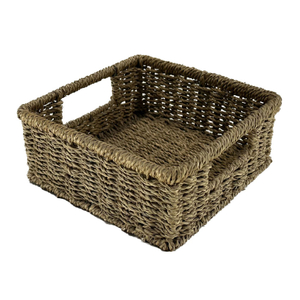
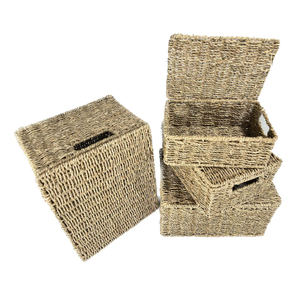
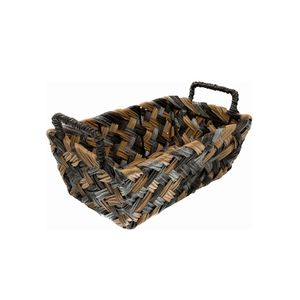
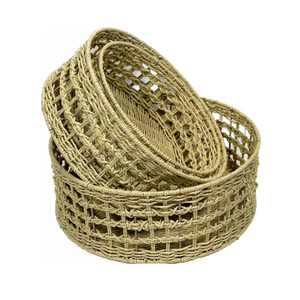
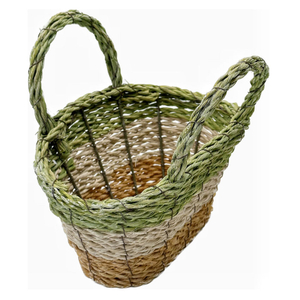
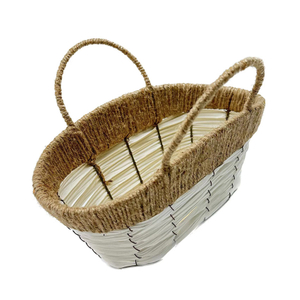
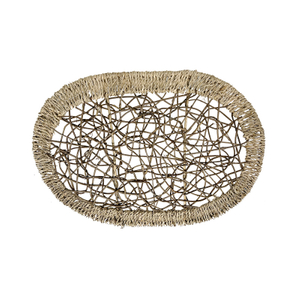
Wicker baskets are made from woven plant fibers such as rattan, willow, or bamboo. Their natural beauty and durability make them popular for storage and decorative purposes. However, their porous nature means they can absorb stains and moisture, leading to discoloration or mold growth.
1. Dust Accumulation: Wicker baskets tend to collect dust, which can dull their appearance.
2. Stains: Spills from food, drinks, or other substances can leave unsightly marks.
3. Mold and Mildew: Excessive moisture can lead to mold growth, especially in humid environments.
4. Damage: Weakened or broken wicker strands can compromise the basket's structure.
Before addressing marks or stains, it's essential to clean the wicker basket thoroughly. Here's a step-by-step guide:
- Use a Vacuum: Employ a vacuum cleaner with a brush attachment to gently remove dust from the basket's surface.
- Paintbrush or Duster: Use a small, clean paintbrush or a disposable microfiber duster to brush away dust from intricate areas.
- Mix Cleaning Solution: Combine warm water with a few drops of mild dish soap in a bowl.
- Apply Solution: Dip a microfiber cloth into the solution, wring it out thoroughly, and gently wipe the stained area.
- Rinse and Dry: Use a clean, damp cloth to remove soap residue and allow the basket to air-dry.
- Vinegar Solution: Mix one part white vinegar with four parts water.
- Apply Solution: Use a toothbrush or microfiber cloth to apply the solution to affected areas.
- Rinse and Dry: Rinse with clean water and air-dry the basket.
If your basket has broken or weakened strands, you'll need to repair them to maintain its structural integrity.
- Rattan or Reed: Depending on the type of wicker, you may need replacement strands.
- Hot Glue Gun: For securing new strands.
- Raffia Ribbon: Optional for decorative reinforcement.
1. Assess Damage: Identify broken or loose strands.
2. Remove Loose Ends: Trim any hanging or damaged ends.
3. Insert New Strand: Weave a new piece of rattan or reed into the existing pattern.
4. Secure with Glue: Apply hot glue to hold the new strand in place.

After cleaning and repairing, you may want to stain or seal your wicker basket to enhance its appearance and protect it from future stains.
1. Choose Stain: Select a suitable stain color that complements your decor.
2. Apply Stain: Use a chip brush to apply stain evenly, working in sections.
3. Wipe Excess: Use a soft cloth to remove excess stain immediately.
1. Select Sealer: Choose a clear coat or varnish suitable for wicker.
2. Apply Sealer: Use a chip brush to apply a thin layer of sealer.
3. Allow to Dry: Let the sealer dry completely before applying additional coats.
- Dust Regularly: Use a soft brush or duster to remove dust weekly.
- Avoid Direct Sunlight: Prolonged exposure can cause fading or drying out.
- Monitor Humidity: Keep wicker baskets away from humid areas to prevent mold.
Wicker baskets are versatile and can be used in various creative ways:
- Decorative Storage: Use them to store books, linens, or kitchen utensils.
- Garden Planters: Fill them with plants for a charming outdoor display.
- Gift Baskets: Fill with treats or flowers for a thoughtful gift.
You can also repurpose old wicker baskets into unique DIY projects:
- Macrame Plant Hanger: Attach a wicker basket to a macrame cord for a bohemian-inspired hanger.
- Wicker Shelf: Attach baskets to a wooden board to create a rustic shelf.
- Lighting Fixture: Use a wicker basket as a base for a pendant light.
Fixing marks on wicker baskets involves a combination of cleaning, repairing, and protecting the material. By following these steps and incorporating regular maintenance and creative uses, you can restore your wicker baskets to their original beauty and ensure they remain a durable and stylish part of your home decor.

It's advisable to dust your wicker basket regularly to prevent dust buildup. For deeper cleaning, such as removing stains or mold, clean as needed.
No, bleach should not be used on wicker baskets as it can dry out and damage the natural fibers.
To prevent mold, ensure your wicker basket is kept in a well-ventilated area and avoid exposing it to excessive moisture.
While it's possible to paint wicker baskets, it's generally not recommended as paint can flake off over time. Staining is a more durable option.
Store wicker baskets in a dry, cool place. Avoid stacking them to prevent damage to the wicker strands.
[1] https://salvagedinspirations.com/how-to-stain-a-wicker-basket/
[2] https://www.youtube.com/watch?v=zO4X87nJEJ0
[3] https://blog.csdn.net/weixin_40289064/article/details/79669930
[4] https://bicycles.stackexchange.com/questions/96137/is-my-basket-mouldy-and-what-can-i-do-about-it
[5] https://www.youtube.com/watch?v=9ahjwCgRDI4
[6] https://www.sohu.com/a/676796467_121124322
[7] https://www.thespruce.com/how-to-clean-wicker-baskets-6823342
[8] https://www.mayinspire.co.uk/post/wicker-basket-repair-trick
[9] https://jphe.amegroups.org/article/view/4265/10863