Views: 222 Author: Tomorrow Publish Time: 2025-01-11 Origin: Site


Content Menu
● Step-by-Step Weaving Instructions
● Historical Context of Basket Weaving
● FAQ
>> 1. What materials are best for making a foraging basket?
>> 2. How do I prepare my materials before weaving?
>> 3. What techniques are used in basket weaving?
>> 4. Can I use any type of vine for weaving?
>> 5. How long does it take to weave a basket?
Creating a foraging basket is a rewarding craft that connects you to nature and allows you to gather wild edibles, herbs, or flowers with ease. This guide will walk you through the process of weaving a foraging basket using natural materials, providing step-by-step instructions, tips, and techniques.
Before diving into the weaving process, gather the following materials:
- Willow or other flexible branches: These will serve as the spokes and uprights of your basket.
- Thinner vines: Such as kudzu, honeysuckle, or ivy for weaving.
- Twine or string: To secure various parts of the basket.
- Clippers or pruners: For cutting your materials.
- Sharp knife: For splitting and shaping spokes.
- Clothespins or clamps: Helpful for holding parts in place while you work.
1. Harvesting: Collect willow shoots or other suitable branches when they are dormant (typically in winter) to ensure flexibility. Look for straight, young shoots that are about the diameter of a pencil.
2. Soaking: After harvesting, soak your willow rods in water for 2-3 days to make them pliable. If using vines like kudzu or honeysuckle, soak them in boiling water for about 10 minutes to prepare them for weaving.
3. Coiling Vines: Tie your prepared vines into loose coils and store them in a dark place until ready to use. This helps maintain their flexibility.
- Start by selecting six thick willow rods (approximately 12-15 inches long) to form the base of your basket. Arrange them in a star shape with one rod in the center.
- Split the center rod and insert three thinner rods through it to create an “X” shape. This forms the base structure known as the "slath."
- Take two of your thinnest vines (weavers) and insert their tips through the split spokes of the slath.
- Begin weaving by alternating between over and under patterns around each spoke. Continue this process until you have completed several rounds, ensuring that the weave is tight to maintain structure.
- Once you have a solid base, it's time to “prick up” the stakes. Using a sharp knife, gently lift each spoke upright while twisting it slightly to ensure it stands tall.
- Secure these stakes with twine if necessary until you have woven enough sides to hold them in place.
- Continue weaving around each stake using your weavers in an over-under pattern. As you work your way up, add new weavers by laying them alongside existing ones when they become too short.
- Keep an eye on spacing; if gaps appear due to uneven stakes, use shorter pieces of vine to fill these spaces.
- To give your basket more structure, consider adding ribs made from thicker vines or branches as you weave upwards. Insert them at intervals along the sides to help maintain shape.
- Once you reach your desired height, trim any excess vine ends flush with the basket edge using secateurs.
- Tuck any loose ends into the weave for a clean finish.

While this guide covers basic techniques for weaving a foraging basket, there are numerous styles and patterns that can enhance your creation:
- Twining: This involves wrapping two weavers around each spoke in an alternating pattern, which can create intricate designs and textures.
- Coiling: A method where fibers are wound together in spirals; this is often used for round baskets but can be adapted for various shapes.
- Plaiting: A simpler technique where strips are woven over and under each other without crossing; this is great for beginners.
Experimenting with different techniques can yield unique results and allow you to express your creativity through your basket design[1][2].
- Choose Flexible Materials: The more pliable your materials are, the easier they will be to work with.
- Keep It Tight: Ensure that each row is tightly woven together; this will help maintain the shape of your basket as it dries.
- Experiment with Patterns: Feel free to incorporate different colors or textures by mixing various types of vines and plants.
Basket weaving is one of humanity's oldest crafts, dating back thousands of years. The earliest known baskets were discovered in Egypt and date back over 10,000 years[3]. Different cultures have developed unique styles based on available materials; Native Americans often used local grasses and reeds while European artisans favored willow and cane[6].
The craft has evolved significantly over time but remains rooted in practicality. Baskets were essential for storage and transport before modern containers became widespread. Today, many artisans continue this tradition not only out of necessity but also as an art form[9].
Weaving a foraging basket is not only a practical skill but also a creative outlet that fosters a deeper connection with nature. As you gather materials and weave them together, you'll find joy in creating something both beautiful and functional. Whether you're using it for gathering wild edibles or simply as a decorative piece, your handmade basket is sure to be cherished.

Foraging baskets can be made from willow branches, kudzu vines, honeysuckle vines, and other flexible plant materials that can be easily woven together.
Harvest branches when they are dormant and soak them in water for several days to make them pliable. Thinner vines should be soaked in boiling water briefly before use.
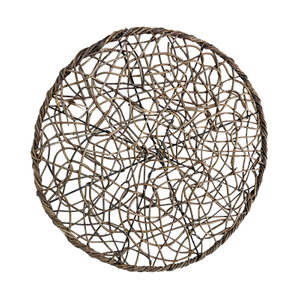
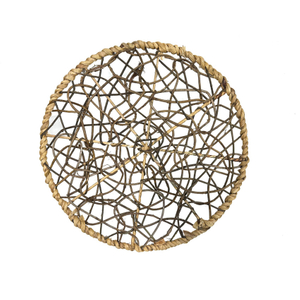
Common techniques include twining (over-under patterns), coiling (wrapping around a core), and random weave (using various lengths of material).
While many types of vines can be used, it's best to choose those that are flexible and strong enough to hold their shape when woven together.
The time required varies based on complexity and size but expect anywhere from a few hours to an entire day for a standard-sized foraging basket.
[1] https://www.motherearthnews.com/diy/forager-basket-weaving-tutorial-zm0z19jjzbut/
[2] https://www.matttommey.com/how-to-make-baskets.html
[3] https://en.wikipedia.org/wiki/Basket_weaving
[4] https://www.youtube.com/watch?v=iaPbg3C3lLE
[5] https://schoolofbasketryart.com/p/basketry-twining-with-patterns
[6] https://basketweaving.com/shopsite_sc/store/html/history-of-basket-weaving.html
[7] https://www.youtube.com/watch?v=posw3fFYvH4
[8] https://www.pinterest.com/franfrketic/basket-weaving-patterns/
[9] https://www.historicrichmondtown.org/basketmaking
[10] https://tradfolk.co/art/art-interviews/suzie-grieve/
[11] https://zerowastehomestead.com/best-wild-plants-for-basket-weaving-that-you-can-forage-for-free/
[12] https://northernwilds.com/baskets-in-the-north-woods/
[13] https://www.nytimes.com/2023/09/30/science/ancient-woven-baskets-spain.html
[14] https://www.thisiscolossal.com/2021/07/suzie-grieve-mini-baskets/
[15] https://www.matttommey.com/basket-weaving-techniques
[16] https://www.pinterest.com/Sherrilee919/foraging-baskets/