Views: 222 Author: Tomorrow Publish Time: 2024-12-17 Origin: Site


Content Menu
● Understanding Woven Basket Fabrics
>> Natural Woven Basket Fabrics
>> Synthetic Woven Basket Fabrics
● Comparative Analysis of Natural vs. Synthetic Woven Basket Fabrics
● Applications of Woven Basket Fabrics
>> Home Decor
>> Crafting
● FAQ
>> 1. What are the main differences between natural and synthetic woven basket fabrics?
>> 2. Are natural woven basket fabrics more expensive than synthetic ones?
>> 3. How do I care for my natural woven baskets?
>> 4. Can I use synthetic woven baskets outdoors?
>> 5. Are there any health concerns associated with synthetic woven basket fabrics?
Woven basket fabrics are integral to various crafts and home decor, serving both functional and aesthetic purposes. Understanding the differences between natural and synthetic woven basket fabrics can help consumers make informed choices based on their needs, preferences, and environmental considerations. This article will explore the characteristics, benefits, and applications of both types of fabrics while providing insights into their respective impacts on sustainability and craftsmanship.
Woven basket fabrics can be categorized into two main types: natural and synthetic. Each type has distinct properties that influence its appearance, durability, and suitability for various applications.
Natural woven basket fabrics are made from organic materials derived from plants or animals. Common sources include:
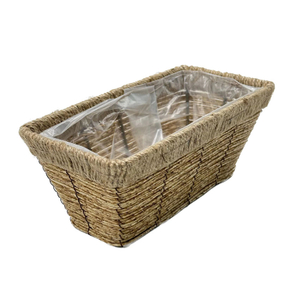
- Seagrass: A popular choice due to its durability and flexibility, seagrass is often used in crafting stylish storage baskets.
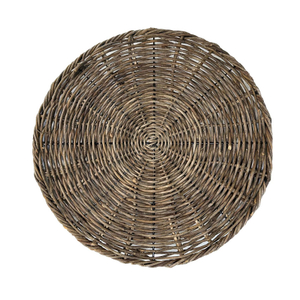
- Rattan: Known for its strength and pliability, rattan is frequently used in furniture and decorative baskets.
- Willow: This material is lightweight yet sturdy, making it ideal for traditional basket weaving.
- Bamboo: Renowned for its rapid growth and sustainability, bamboo is a versatile option for eco-friendly baskets.
Natural woven fabrics offer several advantages:
- Eco-Friendly: Being biodegradable and renewable, natural fabrics have a lower environmental impact compared to synthetic alternatives.
- Unique Aesthetics: Each piece crafted from natural materials showcases unique textures and colors, enhancing the visual appeal of any space.
- Breathability: Natural fibers allow air circulation, making them suitable for storing items that require ventilation.
Synthetic woven basket fabrics are made from man-made materials such as polyester, nylon, or polypropylene. These materials are engineered to enhance durability and resistance to various environmental factors. Key features include:
- Durability: Synthetic fibers are often more resistant to wear and tear compared to natural fibers, making them ideal for heavy-use applications.
- Moisture Resistance: Many synthetic fabrics repel water, which can be beneficial for outdoor or damp environments.
- Color Variety: Synthetic materials can be produced in a wide range of colors and patterns, allowing for greater design flexibility.
While synthetic fabrics offer practical benefits, they also have drawbacks:
- Environmental Impact: The production of synthetic fibers involves petrochemicals and can contribute to pollution if not managed properly.
- Less Breathable: Unlike natural fibers, synthetic materials may trap heat and moisture, potentially leading to unpleasant odors over time.

To better understand the differences between natural and synthetic woven basket fabrics, the following table summarizes their key characteristics:
| Feature | Natural Woven Fabrics | Synthetic Woven Fabrics |
|---|---|---|
| Source | Plant or animal-based (e.g., seagrass, rattan) | Man-made (e.g., polyester, nylon) |
| Eco-Friendliness | Biodegradable; sustainable | Non-biodegradable; potential pollution concerns |
| Durability | Generally durable but may degrade over time | Highly durable; resistant to wear |
| Moisture Resistance | Limited moisture resistance | Excellent moisture resistance |
| Aesthetic Appeal | Unique textures; organic look | Wide range of colors; uniform appearance |
| Breathability | Highly breathable | Less breathable |
Both natural and synthetic woven basket fabrics have diverse applications across various domains:
Natural woven baskets add warmth and an organic touch to home decor. They can be used as decorative pieces or functional storage solutions in living rooms, bedrooms, or kitchens. The unique textures of materials like rattan or seagrass enhance the aesthetic appeal of any space.
Synthetic woven fabrics are often used in contemporary designs where durability is essential. These materials are ideal for outdoor settings where resistance to moisture is crucial.
Natural woven basket fabrics are favored by artisans who appreciate traditional techniques. Craftspeople often use these materials to create one-of-a-kind pieces that reflect cultural heritage.
Synthetic options provide versatility in crafting projects where color consistency and durability are priorities. They are commonly used in mass-produced items due to their cost-effectiveness.
Natural woven baskets excel in providing stylish storage solutions that blend seamlessly with home decor. They are perfect for organizing items like toys, blankets, or magazines while adding an earthy touch.
Synthetic woven baskets are ideal for outdoor storage needs or areas prone to moisture. Their durability ensures that they can withstand the elements while maintaining functionality.
In recent years, sustainability has become a significant consideration for consumers when choosing woven basket fabrics.
Natural woven fabrics are inherently more eco-friendly due to their biodegradable nature. Choosing products made from sustainable materials like bamboo or seagrass supports environmentally conscious practices. Additionally, many artisans who work with these materials prioritize ethical sourcing methods that benefit local communities.
On the other hand, while synthetic fabrics offer impressive durability and versatility, they often come with environmental concerns related to production processes and waste management. However, advancements in recycling technologies are helping mitigate some of these issues by allowing for the recycling of synthetic fibers into new products.
When choosing between natural and synthetic woven basket fabrics, it's essential to consider various factors such as aesthetics, functionality, environmental impact, and personal preferences. Natural woven fabrics provide unique beauty and sustainability but may require more care over time. In contrast, synthetic options offer durability and design flexibility but come with potential environmental drawbacks.
Ultimately, the decision will depend on individual needs—whether you prioritize eco-friendliness or seek long-lasting performance in your woven basket fabric choices. By understanding these differences, consumers can make informed decisions that align with their values while enhancing their living spaces with beautiful woven creations.

Natural woven basket fabrics come from organic sources like plants or animals and are biodegradable. Synthetic woven fabrics are man-made from materials like polyester or nylon and tend to be more durable but less eco-friendly.
Generally speaking, natural woven basket fabrics can be more expensive due to the labor-intensive processes involved in harvesting and crafting them compared to mass-produced synthetic options.
To care for natural woven baskets, avoid exposing them to excessive moisture or direct sunlight. Clean them regularly with a dry cloth or a soft brush to remove dust without damaging the fibers.
Yes! Synthetic woven baskets are designed to withstand outdoor conditions due to their moisture resistance and durability. They are ideal for patios or gardens where exposure to elements is common.
Some synthetic materials may emit volatile organic compounds (VOCs), which can affect indoor air quality. Opting for high-quality products from reputable manufacturers can help mitigate these concerns.
[1] https://www.iwantfabric.com/blog/post/the-difference-between-natural-and-synthetic-fabrics-which-one-is-best-for-you
[2] https://www.elelightanddecor.com/blogs/organic-modern-elements/the-benefits-of-natural-handwoven-storage-baskets
[3] https://www.fabric5anddime.com/blog/post/basketweave-fabric.html
[4] https://canecrafters.com/durable-materials-for-basket-weaving/
[5] https://www.spoonflower.com/en/shop/woven-basket
[6] https://www.istockphoto.com/photos/woven-basket
[7] https://www.youtube.com/watch?v=IsPfcR0S0l4
[8] https://www.sahnifabrics.com/blogs/news/top-different-types-of-natural-fabrics
[9] https://viettrangcraft.com/journal/sustainability/woven-basket-wholesale-4-reasons/
[10] https://www.etsy.com/market/basket_weave_fabric