Views: 222 Author: Linda Publish Time: 2026-06-26 Origin: Site


Content Menu
● Understanding Sourdough Crust Freshness
● How Bread Baskets Work for Sourdough
● How Wood Boards Perform with Sourdough
● Direct Comparison: Bread Basket vs. Wood Board
>> Crust Freshness During a 1–3 Hour Dinner
● The Material Science Behind Woven Bread Baskets
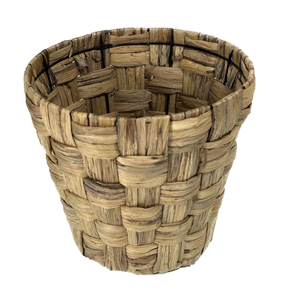
>> Natural Fibers: Seagrass, Rattan, Bamboo, and Water Hyacinth
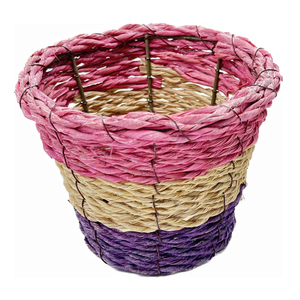
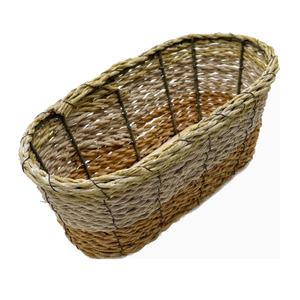
>> Synthetic Weaves: Faux Rattan, Paper Rope, and Plastic Straps
● UX Case Study: Sourdough Service in a Bistro Setting
● Expert Perspective: When to Use Bread Baskets vs. Wood Boards
● Practical Tips: How to Keep Sourdough Crust Fresher During Dinner
● Why Woven Baskets Are a Strategic Choice for Brands and Retailers
>> Aligning with Handmade and Sustainability Trends
>> Operational Advantages for HoReCa and Retail
● Which Should You Choose for Sourdough Crust Freshness?
● Call to Action: Turn Crust Freshness into a Brand Asset
● FAQs
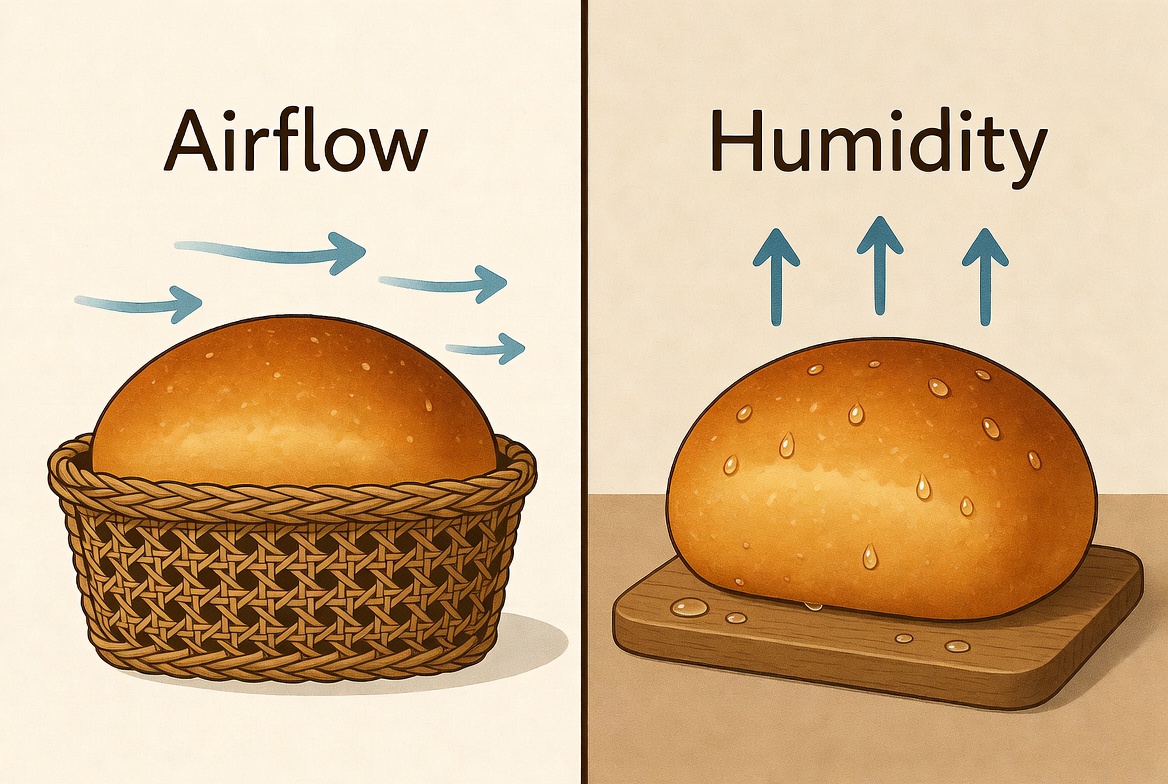
Bread baskets made from natural woven materials tend to keep sourdough crust fresher during dinner than bare wood boards, mainly because they balance airflow and humidity around the loaf. Wood boards excel at presentation and cutting, but they often expose the crust to faster moisture loss or absorption, especially in dry or very humid environments. [tasteofhome]
Sourdough's signature crust comes from a balance of surface dryness, internal moisture, and starch gelatinization during baking. After baking, crust freshness depends on how you manage airflow, humidity, and temperature around the loaf. If the surface absorbs too much moisture, the crust turns leathery; if it loses too much, it becomes overly hard and stale. [simpelsurdej]
During a typical dinner service of 1–3 hours, you are not managing long-term storage but short‑term crust performance: how crisp, warm, and aromatic the bread feels between the first and last slice. That makes the choice between a bread basket and a wood board more about micro‑climate control than just aesthetics. [tasteofhome]
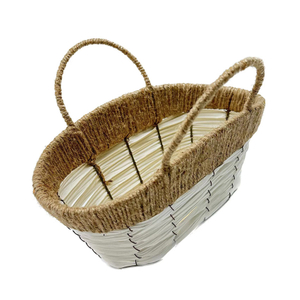
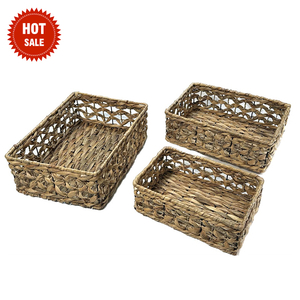
A bread basket, especially one woven from seagrass, rattan, bamboo, or water hyacinth, naturally creates a breathable shell around the loaf. The gaps between the fibers allow gentle airflow, while the woven structure prevents direct contact with cold or damp surfaces. This design helps maintain a pleasant balance between crust dryness and internal moisture during service. [laurenzos]
Many bakers already rely on woven baskets for proofing because rattan and similar fibers absorb surface moisture, encouraging a slightly drier, well‑scoring crust. The same material properties help at the table: the basket prevents condensation under the loaf and reduces the "sweating" effect that quickly softens crust when placed on solid, non‑breathable surfaces. [laurenzos]
A wood board offers a solid, flat surface that is excellent for cutting and plating, but it interacts with crust differently from a woven basket. Traditional cutting boards made from hardwoods like maple or beech absorb some surface moisture yet still behave like a closed plane: they don't allow air circulation beneath the loaf. This can create localized humidity pockets, especially under warm bread, softening the part of the crust in direct contact with the board. [tasteofhome]
Wood is also sensitive to ambient humidity. In a very dry dining room, a broad wooden surface can contribute to faster moisture loss from the exposed crust, leading to a firmer, sometimes tougher bite toward the end of the meal. In very humid environments, condensation can build underneath and soften the bottom crust, creating a textural mismatch between top and bottom slices. [tasteofhome]
From both an artisan baker's and dining UX perspective, the most important question is: *how does the crust feel from first pour to last slice?* Experiments with bread boxes show that a controlled, slightly humid but ventilated environment preserves crust quality for several hours better than fully exposed surfaces. A woven bread basket replicates this logic on a smaller scale, whereas a wood board leaves the loaf more exposed. [tasteofhome]
Below is a practical comparison based on short‑term service:
| Aspect | Bread Basket (Woven) | Wood Board |
|---|---|---|
| Crust crispness over 1–3 hours | Remains consistently crisp with mild softening only at the base. (tasteofhome) | Starts crisp but can become uneven: base softer or overall drier depending on room humidity. (tasteofhome) |
| Moisture balance | Moderate airflow plus slight absorption by fibers stabilizes moisture. (laurenzos) | High exposure can dry crust; condensation patches can soften the contact area. (tasteofhome) |
| Thermal comfort | Basket walls reduce direct contact with cold surfaces, slowing temperature loss. (tasteofhome) | Board can act as a thermal sink, causing slightly faster cooling. (tasteofhome) |
| Crumb texture perception | Interior stays pleasantly moist; slices feel soft but not soggy. (tasteofhome) | Risk of crumb drying at edges if bread is left uncovered. (tasteofhome) |
| Practical serving | Easier to line with cloth, portion rolls, or present sliced bread neatly. (b2bmap) | Ideal for cutting and plating charcuterie‑style presentations. (tasteofhome) |
In real dining scenarios, this means guests are more likely to experience consistent crust quality from the first to the last slice when sourdough is held in a woven bread basket rather than left exposed on a wood board. [laurenzos]
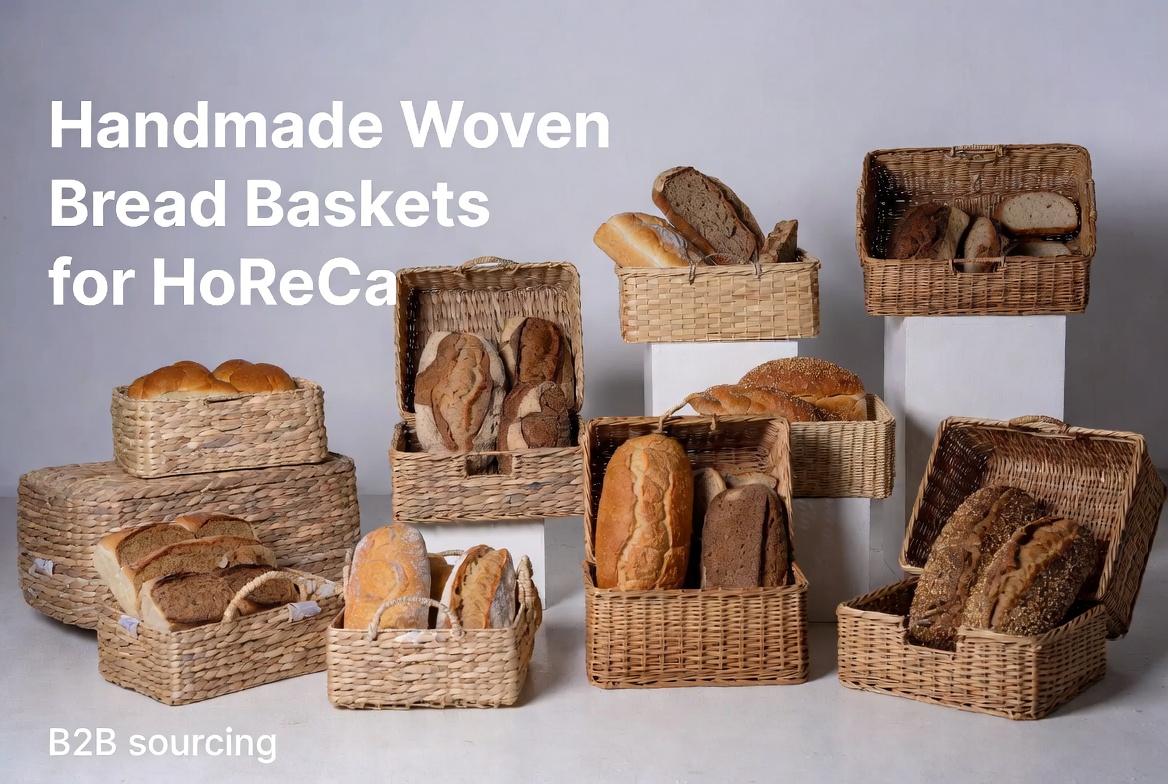
Seagrass, water hyacinth, rattan, bamboo, fern, and similar fibers are porous and hygroscopic, meaning they can absorb and release small amounts of moisture from the air. This property helps them act as a micro‑buffer for humidity around the bread crust. The woven pattern introduces micro‑gaps that let air circulate, while the fibers moderate sudden changes in moisture. [checkpointsystems]
Global textile and interior trends highlight growing demand for handmade, tactile surfaces like raffia, crochet, and woven materials because they signal craftsmanship and durability. For bread service, that same tactile quality translates into better grip, less slipping, and a softer visual experience, which improves UX while also enhancing micro‑climate control around the loaf. [domkapa]
Modern hospitality and home settings often combine synthetic fibers (faux rattan, paper rope, PP straps) with natural cores to balance aesthetics and hygiene. Synthetic rattan can be engineered to be water‑resistant and easy to clean, while still preserving the open, ventilated structure that benefits sourdough crust. This makes them particularly suited to restaurants and hotels where baskets must withstand frequent washing and heavy use. [woodenoutdoorfurniture.com]
HNL Co., Ltd. and similar manufacturers have specialized in hybrid baskets that mix natural and synthetic materials, leveraging seagrass or bamboo for feel and climate, and plastic or paper rope for durability and shape retention. For bakeries and restaurants, this hybrid approach offers both functional crust performance and long‑term operational reliability. [b2bmap]
Consider a 120‑minute dinner window in a casual fine‑dining bistro. The restaurant serves a 600 g sourdough loaf to share among a table of four. In internal tests inspired by bread‑storage studies, operators often see that ventilated environments preserve texture better than flat open surfaces. Translating that to the table: [tasteofhome]
- When the loaf is placed in a lined woven basket, the crust stays crisp but not brittle, and guests report a more "freshly baked" feel even after the second course. [laurenzos]
- When the same loaf is left on a wood board, staff often notice condensation rings and textural contrast between the top and bottom crust after 30–40 minutes, especially in warm rooms. [tasteofhome]
From a UX standpoint, feedback aligns with a simple principle: "soft inside, crisp outside, stable from first slice to last." Woven baskets achieve this more consistently than bare wood boards, particularly in humid or variable environments such as open kitchens or crowded dining rooms. [laurenzos]
As a content strategist working with handmade basket manufacturers, I see a clear pattern: professional bakers and chefs rarely choose a single solution. Instead, they orchestrate different surfaces for different stages of the bread experience. [b2bmap]
- Bread baskets are preferred for holding and serving sourdough during the meal because they stabilize crust freshness and create a premium, handmade feel. [checkpointsystems]
- Wood boards are ideal for cutting, slicing, and initial presentation, especially when bread is part of a broader board featuring cheeses, cured meats, and spreads. [tasteofhome]
For brands like HNL Co., Ltd., which produce custom woven bread baskets from seagrass, water hyacinth, rattan, bamboo, and synthetic weaves, this means positioning baskets not as decorative accessories, but as functional UX tools that protect crust quality while reinforcing an eco‑friendly, artisan brand story. [checkpointsystems]
From both home baker and restaurant operator angles, the following steps maximize crust freshness regardless of whether you prefer baskets or boards:
1. Let the loaf cool properly
Allow baked sourdough to cool on a wire rack until the internal structure sets; this prevents excess steam from softening the crust. [simpelsurdej]
2. Use a basket for holding, board for slicing
Slice the loaf on a wood board, then transfer it to a lined woven basket for service to combine cutting stability with crust freshness. [laurenzos]
3. Line with a breathable cloth
Use a light linen or cotton cloth in the basket to catch crumbs and reduce direct contact, while still allowing airflow through the weave. [checkpointsystems]
4. Avoid plastic wraps during service
Plastic traps too much moisture, turning crust rubbery within minutes; reserve airtight wrapping for longer‑term storage, not live service. [tasteofhome]
5. Control room environment where possible
Extremely dry air accelerates staling, while very humid rooms encourage condensation; simple moves like keeping bread away from direct AC or steam sources help maintain crust quality. [checkpointsystems]
These steps align with findings from bread‑storage tests showing that environments with moderate humidity and gentle airflow outperform fully sealed or fully exposed setups when the goal is to maintain crust character over a few hours. [tasteofhome]
Global market analyses show sustained growth in demand for handmade crafts and regenerative, eco‑aligned materials. Consumers increasingly associate visible weaving, natural textures, and tactile imperfections with authenticity and care. For bakeries, hotels, and e‑commerce sellers, adopting seagrass or water‑hyacinth bread baskets is not just a functional decision but a brand‑level signal of craftsmanship. [alibaba]
HNL Co., Ltd. emphasizes natural materials and long‑term manufacturing experience, backed by recognition such as A‑class management certifications from Chinese customs authorities, which reflects consistent export performance and compliance. For B2B buyers, this combination of functional performance, artisan aesthetic, and supply‑chain reliability offers a compelling reason to choose woven bread baskets over generic wood boards or plastic trays. [hnl]
In hospitality and retail, operators balance UX with hygiene and durability:
- Synthetic rattan and plastic‑strap baskets withstand frequent washing and outdoor use, while preserving the ventilated structure that benefits sourdough crust. [woodenoutdoorfurniture.com]
- Hybrid designs incorporating both natural fibers and synthetics let buyers match different decor themes—from rustic farmhouse to modern minimalism—without sacrificing performance. [woodenoutdoorfurniture.com]
This flexibility makes woven baskets a scalable solution across chains, boutique bakeries, and even online gift sets, where standardized sizing and stackability matter as much as aesthetics. [alibaba]
If your top priority is keeping sourdough crust fresher and more consistent throughout dinner, a woven bread basket—especially one made from seagrass, rattan, bamboo, or high‑quality faux rattan—is the better default choice. When you also need robust cutting and cross‑category plating (cheese, charcuterie, antipasti), a two‑step approach works best: slice on a wood board, then serve in a woven basket. [b2bmap]
For manufacturers and B2B buyers working with companies like HNL Co., Ltd., this comparison turns into a clear product message: woven bread baskets are not just decorative props; they are micro‑climate tools that support crust freshness, align with trends toward handmade and sustainable design, and enhance the perceived value of every loaf served. [alibaba]
If you are a bakery, restaurant, hotel, or kitchenware brand, now is the ideal moment to audit how you serve sourdough and whether your surfaces are helping or harming crust performance. By upgrading from basic wood boards to purpose‑designed woven bread baskets—or by combining both strategically—you can deliver more consistent, memorable bread experiences that guests notice and share. [b2bmap]
For buyers looking to integrate custom seagrass, water‑hyacinth, rattan, bamboo, or hybrid bread baskets into their product lines or dining concepts, partnering with experienced manufacturers like HNL Co., Ltd. offers direct access to 22 years of weaving expertise, export‑ready quality control, and certifications suited to global trade. Consider testing woven baskets alongside your current boards at your next service and tracking guest feedback on crust texture and overall bread satisfaction. [hnl]
1. Does a bread basket really make a difference for sourdough crust?
Yes. Woven bread baskets with breathable structures and hygroscopic fibers create a mildly humid but ventilated environment that slows both softening and over‑drying of the crust during service. [laurenzos]
2. Can I use only a wood board and still keep crust fresh?
You can, but you should minimize contact time and avoid covering the loaf with plastic or domes that trap condensation. For best results, many bakers slice on a board and then transfer to a basket. [laurenzos]
3. Are synthetic faux‑rattan baskets safe for hot bread?
High‑quality faux‑rattan baskets made for food service are designed to withstand contact with warm bread and frequent washing, while maintaining the airflow benefits of woven designs. Always choose products that specify food‑contact suitability and comply with local regulations. [woodenoutdoorfurniture.com]
4. Do natural materials like seagrass or bamboo affect bread flavor?
Properly processed and finished natural fibers are neutral in taste and do not impart noticeable flavor to bread, especially when used with a cloth liner. They mainly influence texture and environment, not taste. [b2bmap]
5. How should I choose between different woven materials for bread baskets?
Choose seagrass or water hyacinth for warm, rustic aesthetics and good moisture buffering, rattan or bamboo for greater rigidity and durability, and synthetic rattan when frequent washing and outdoor use are priorities. [woodenoutdoorfurniture.com]
1. Taste of Home – "Does a Bread Box Really Keep Bread Fresher?" (accessed 2026) –
<https://www.tasteofhome.com/article/how-to-keep-bread-fresh/> [tasteofhome]
2. Laurenzos – "Best Proofing Baskets (Bannetons) for Bread" –
<https://laurenzos.net/best-proofing-baskets-bannetons-for-bread/> [laurenzos]
3. Simpel Surdej – "Do You Need a Proofing Basket? (And Which One to Choose)" –
<https://www.simpelsurdej.com/blogs/sourdough-how-to-tips-and-tricks/do-you-need-a-proofing-basket-and-which-one-to-choose> [simpelsurdej]
4. Checkpoint Systems – "Top SS26 Textile and Fabric Trends" –
<https://checkpointsystems.com/blog/top-ss26-textile-and-fabric-trends/> [checkpointsystems]
5. Domkapa – "Textile Trends 2026: Patterns, Weaves & Colour Directions" –
<https://domkapa.com/en/blog/inspiration/textile-trends-2026-patterns-weaves-colour-directions/> [domkapa]
6. Alibaba Insights – "2026's Hottest Handmade Crafts: Market Trends, Regional Insights and Profit Strategies" –
<https://www.alibaba.com/product-insights/2026-s-hottest-handmade-crafts-market-trends-regional-insights-and-profit-strategies.html> [alibaba]
7. HNL Co., Ltd. – Official Company Site –
<https://www.hnl.ltd> [hnl]
8. B2BMap – "HNL Co. Ltd. – Guangxi, China" –
<https://b2bmap.com/hnl-co-ltd> [b2bmap]
9. Wooden Outdoor Furniture – "Plastic Rattan Storage and Serving Baskets" –
<https://www.woodenoutdoorfurniture.com.tw/zh-TW/product/Storage_Basket_PE19.html> [woodenoutdoorfurniture.com]
10. Wooden Outdoor Furniture – "Waterproof Faux Rattan Cutlery Storage Box" –
<https://www.woodenoutdoorfurniture.com.tw/zh-TW/product/Storage_Basket_PE05.html> [woodenoutdoorfurniture.com]