Views: 222 Author: Tomorrow Publish Time: 2025-01-27 Origin: Site


Content Menu
● The Historical Background of Sweetgrass Basket Weaving
● Current State of Sweetgrass Basket Makers
>> Challenges Facing Contemporary Weavers
● The Gullah Community's Role in Preservation
● Spotlight on Notable Artisans
● The Artistry Behind Sweetgrass Baskets
● The Future of Sweetgrass Basket Weaving
● FAQ
>> 1. How did sweetgrass basket weaving originate?
>> 2. What materials are used in making sweetgrass baskets?
>> 3. Are there still many active sweetgrass basket makers today?
>> 4. What challenges do contemporary sweetgrass basket makers face?
>> 5. How can I learn more about sweetgrass basket weaving?
Sweetgrass basket weaving is a deeply rooted tradition in the Gullah culture of South Carolina, particularly in the Lowcountry region. This art form, which has been passed down through generations since the 1700s, is not just a craft but a vital cultural expression for the Gullah people, who are descendants of enslaved West Africans. As we explore the current state of sweetgrass basket making, we will delve into its history, the challenges faced by contemporary weavers, and the significance of this art form today.
Sweetgrass baskets originated from West Africa, where they were used primarily as agricultural tools. When enslaved Africans were brought to America, they carried with them their knowledge and skills in basket weaving. In South Carolina, these artisans adapted their techniques to utilize local materials such as sweetgrass (Muhlenbergia filipes), bulrush (Juncus roemerianus), and palmetto leaves (Sabal palmetto). Traditionally, sweetgrass baskets served practical purposes like winnowing rice and storing goods, but over time they evolved into decorative art pieces that are highly sought after by collectors and tourists alike.
The significance of sweetgrass basket weaving extends beyond mere functionality. It embodies the Gullah people's heritage, storytelling traditions, and community identity. Each basket tells a story—whether it's about family history, cultural practices, or the natural environment. The intricate designs often reflect patterns found in African textiles and artifacts, serving as a connection to ancestral roots.
Pinpointing the exact number of active sweetgrass basket makers today is challenging. Estimates suggest that there are around 300 families still engaged in this craft. However, many weavers operate independently without any formal organization or census to track their numbers. The craft has seen a decline due to various factors, including urbanization, environmental changes, and a reduction in the availability of suitable materials.
1. Material Scarcity: The primary material for weaving sweetgrass baskets is becoming increasingly difficult to find. Urban development has encroached on traditional harvesting grounds, making it harder for weavers to access sweetgrass and other necessary plants.
2. Aging Population of Weavers: Many current basket makers are elderly, and there is concern about the lack of younger artisans entering the craft. While some young people are showing interest in learning the trade, it remains uncertain how many will continue the tradition.
3. Economic Viability: The financial return on basket weaving can be inconsistent. While some intricate pieces can fetch high prices at galleries or markets, many simpler baskets sell for modest amounts. This economic uncertainty can deter new entrants into the craft.
4. Cultural Misunderstanding: There is often a lack of understanding among consumers regarding the time and skill required to create these baskets. Many people may not appreciate the artistry involved and may undervalue the work.
5. Environmental Changes: Climate change poses a significant threat to sweetgrass growth. Changes in rainfall patterns and rising sea levels can affect the habitats where sweetgrass thrives.
The Gullah community plays a crucial role in preserving the art of sweetgrass basket weaving. Organizations and cultural festivals help raise awareness about this unique heritage. For instance:
- Sweetgrass Cultural Arts Festival: This annual event celebrates Gullah culture and showcases sweetgrass baskets alongside other traditional crafts.
- Cultural Centers: Places like the Sweetgrass Cultural Arts Pavilion provide educational resources and opportunities for local artisans to share their work with visitors.
- Workshops and Classes: Many experienced weavers offer workshops to teach younger generations about basket making techniques. These classes not only preserve traditional methods but also foster community engagement.
- Online Platforms: With the rise of social media and e-commerce, some artisans have turned to online platforms to market their baskets directly to consumers worldwide. This approach helps bypass traditional retail channels that may undervalue their work.
Several artisans have gained recognition for their contributions to sweetgrass basket weaving:
- Mary Jackson: A prominent figure in the world of sweetgrass baskets, Jackson has received numerous awards for her artistry and dedication to preserving this craft. She emphasizes storytelling through her work, often incorporating elements that reflect her family's history.
- Corey Alston: Representing a new generation of weavers, Alston has taken his family's tradition into modern markets while also educating others about the craft's significance. He utilizes social media platforms effectively to showcase his work and connect with a broader audience.
- Diane Williams: Known for her intricate designs that incorporate vibrant colors and patterns inspired by nature, Williams has become an ambassador for Gullah culture through her art.
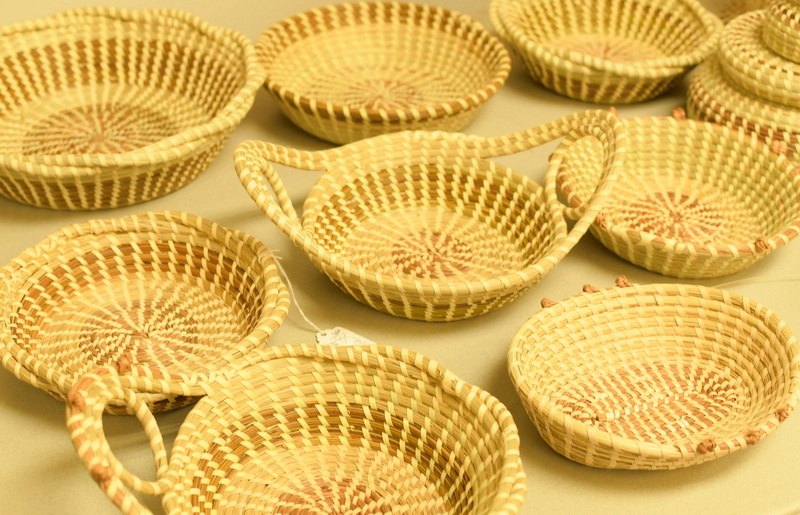
Creating a sweetgrass basket is an intricate process that requires skill, patience, and creativity. The steps involved include:
1. Harvesting Materials: Weavers typically harvest sweetgrass during specific times of year when it is most abundant—usually late summer or early fall.
2. Preparing Materials: After harvesting, materials must be cleaned and dried properly to ensure durability during weaving.
3. Weaving Techniques: Various techniques are employed depending on the desired design—coiling is one common method where strands are twisted together to form shapes.
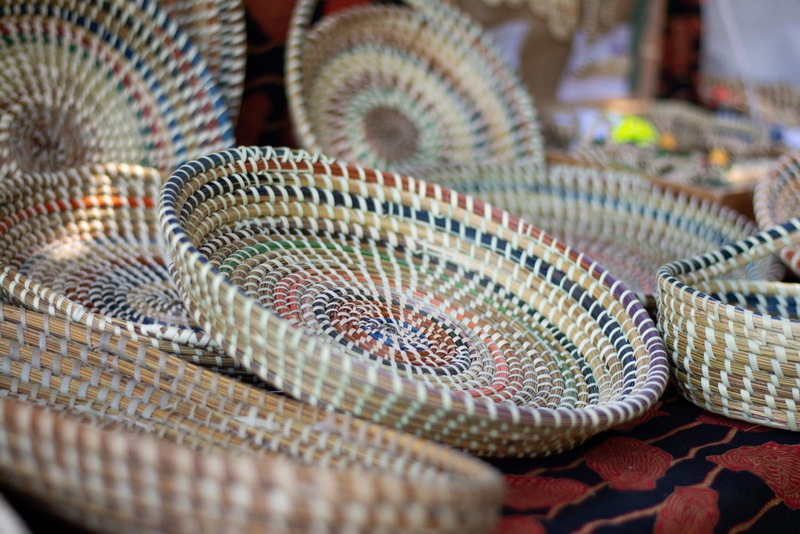
4. Finishing Touches: Once woven, baskets may be adorned with natural dyes or embellishments like shells or beads to enhance their beauty.
Despite challenges facing sweetgrass basket makers today, there are signs of hope for the future:
- Increased interest from tourists seeking authentic cultural experiences has led to greater appreciation for handmade crafts.
- Educational initiatives aimed at schools help teach students about Gullah culture and its artistic traditions.
- Collaborations between local artisans and museums can provide platforms for showcasing their work while educating visitors about its historical context.
Sweetgrass basket weaving remains a vital cultural practice among the Gullah people, though it faces significant challenges that threaten its survival. The scarcity of materials, an aging population of artisans, economic pressures, cultural misunderstandings, and environmental changes all contribute to an uncertain future for this beloved art form. However, through community efforts and increased visibility, there is hope that more young people will take up the craft and that sweetgrass baskets will continue to be woven for generations to come.
Sweetgrass basket weaving originated from West African agricultural practices brought over by enslaved Africans who adapted their techniques using local materials in South Carolina.
Sweetgrass baskets are primarily made from sweetgrass, bulrush, longleaf pine needles, and palmetto leaves.
While it's difficult to pinpoint an exact number, estimates suggest around 300 families continue this tradition; however, many weavers operate independently.
Challenges include material scarcity due to urban development, an aging population of artisans, economic viability concerns, cultural misunderstanding regarding value perception among consumers, and environmental changes affecting growth conditions.
You can visit cultural centers like the Sweetgrass Cultural Arts Pavilion or attend events such as the Sweetgrass Cultural Arts Festival to learn more about this tradition.
[1] https://tompoland.net/down-by-the-sweetgrass-highway/
[2] https://journalpanorama.org/article/art-history-and-the-local/the-tide-is-turning/
[3] https://www.youtube.com/watch?v=zvCLzN4rcks
[4] https://www.thecharlestoncitymarket.com/sweetgrass-baskets/
[5] https://www.pbs.org/video/basket-maker-mary-jackson-gmziyi/
[6] https://www.alamy.com/stock-photo/sweetgrass-baskets.html
[7] https://www.youtube.com/watch?v=Ot5wJxyYCNI
[8] https://experiencemountpleasant.com/sweetgrass-baskets-a-mount-pleasant-tradition/
[9] https://southernchanges.digitalscholarship.emory.edu/sc08-6_001/sc08-6_003/
[10] https://www.southernliving.com/the-tradition-of-sweetgrass-baskets-8647442
[11] https://www.britannica.com/art/sweetgrass-basket
[12] https://blog.kachinahouse.com/the-beauty-of-native-american-sweetgrass-baskets/
[13] https://www.cbsnews.com/news/basket-weavers-keep-an-age-old-tradition-alive-2/
[14] https://basketweavee.com/how-many-sweetgrass-basket-makers-still-weave/
[15] https://www.jstor.org/stable/26225595
[16] https://www.washingtonpost.com/nation/2021/07/31/basket-weavers-plant-seeds-gullah-culture-next-generation/
[17] https://go.gale.com/ps/i.do?id=GALE%7CA550301922&sid=googleScholar&v=2.1&it=r&linkaccess=abs&issn=10688218&p=AONE&sw=w
[18] https://www.nwf.org/Magazines/National-Wildlife/1993/Sweet-Tradition
[19] https://www.nytimes.com/2024/06/13/arts/basket-weaver-mary-jackson.html
[20] https://www.youtube.com/watch?v=YrrBMyBlVfI
[21] https://www.pinterest.com/artistatwork1/sweetgrass-baskets/
[22] https://www.youtube.com/watch?v=ZQvAIJRd93g
[23] https://www.pinterest.com/ideas/gullah-sweetgrass-baskets/913614165184/
[24] https://www.youtube.com/watch?v=Vs12QwSIOXU
[25] https://www.gettyimages.hk/%E5%9C%96%E7%89%87/sweetgrass-basket
[26] https://www.youtube.com/watch?v=IoyGNxpSGLg
[27] https://www.alamy.com/stock-photo/sweetgrass-basket.html
[28] https://www.facebook.com/ExperienceMP/videos/sweetgrass-basket-weaving-in-mount-pleasant/628989878326833/
[29] https://www.tompsc.com/CivicAlerts.aspx?AID=2110
[30] https://libguides.ccga.edu/sweetgrass
[31] https://experiencemountpleasant.com/sweetgrass-baskets-a-mount-pleasant-tradition/
[32] https://gullahsweetgrassbaskets.com