Views: 222 Author: Tomorrow Publish Time: 2025-03-14 Origin: Site


Content Menu
● Introduction to Drying Flowers
● Decorating Wicker Baskets with Dried Flowers
>> Tips for Maintaining Dried Flowers
>> Creative Ideas for Wicker Basket Arrangements
● Additional Tips for Preserving Dried Flowers
>> Creating a Dried Flower Garden
>> 1. What Types of Flowers Are Best for Drying?
>> 2. How Long Does It Take to Dry Flowers Using the Air Drying Method?
>> 3. Can I Use Silica Gel to Dry Any Type of Flower?
>> 4. How Do I Prevent Dried Flowers from Fading?
>> 5. Can I Use Dried Flowers in Outdoor Decorations?
Drying flowers is a timeless and creative way to preserve their beauty and incorporate them into various decorative projects. One of the most charming ways to display dried flowers is by arranging them in wicker baskets, which adds a rustic and natural touch to any room. In this article, we will explore the methods of drying flowers, how to decorate wicker baskets with them, and provide tips for maintaining their beauty over time.
Drying flowers is an art that requires patience and the right techniques. There are several methods to dry flowers, each with its own advantages and suitable for different types of blooms.
The air drying method is one of the simplest and most traditional ways to dry flowers. It involves cutting the flowers, removing excess foliage, bundling them together, and hanging them upside down in a dry, well-ventilated area away from direct sunlight. This method is ideal for flowers with sturdy petals and low moisture content, such as roses, lavender, and baby's breath.
Step-by-Step Air Drying:
1. Choose Flowers: Select flowers suitable for drying.
2. Prepare Flowers: Cut stems, remove excess leaves.
3. Bundle Flowers: Tie flowers together in small bunches.
4. Hang to Dry: Hang upside down in a dry area.
5. Wait: Allow several weeks for drying.
For a faster and more effective method, silica gel can be used. Silica gel absorbs moisture from the flowers, preserving their shape and color. This method is suitable for flowers like roses, daisies, and zinnias.
Step-by-Step Silica Gel Method:
1. Prepare Flowers: Trim stems, remove excess leaves.
2. Layer Silica Gel: Place a layer in a container.
3. Add Flowers: Place flowers on top of the silica gel.
4. Cover with Silica Gel: Ensure flowers are fully covered.
5. Seal and Wait: Seal the container and wait for drying.
For a quick drying method, flowers can be buried in cat litter and heated in a microwave. This method is time-intensive but effective for small quantities.
Step-by-Step Microwave Method:
1. Prepare Flowers: Cut stems, remove excess leaves.
2. Bury in Cat Litter: Place flowers in cat litter.
3. Microwave: Heat for short intervals until dry.
Another method for drying flowers is pressing them between sheets of paper or a flower press. This method is ideal for delicate flowers like violas and pansies.
Step-by-Step Pressing Method:
1. Prepare Flowers: Remove excess leaves.
2. Place Between Sheets: Position flowers between sheets of paper or in a flower press.
3. Apply Pressure: Ensure even pressure is applied.
4. Wait: Allow several weeks for drying.
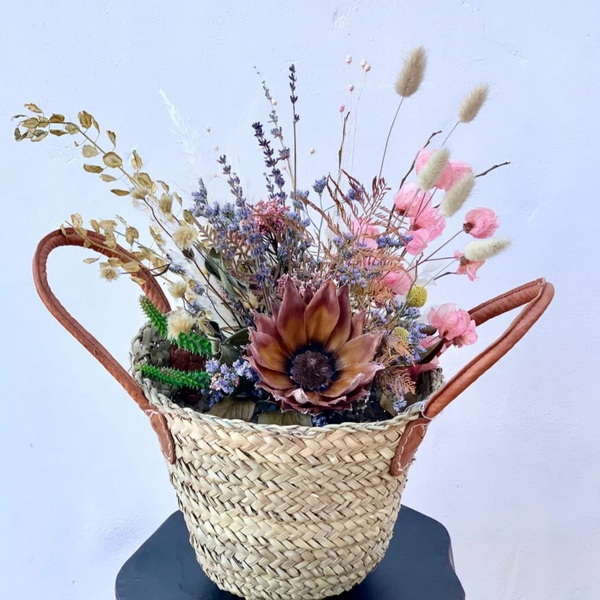
Once your flowers are dried, you can create beautiful arrangements in wicker baskets. Here's how:
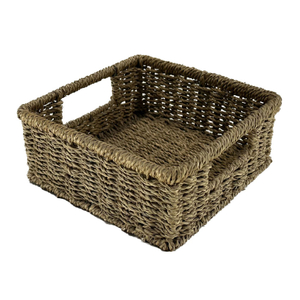
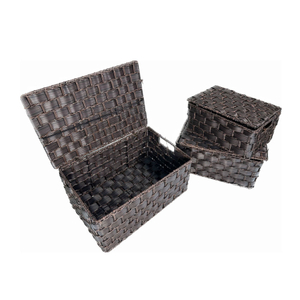
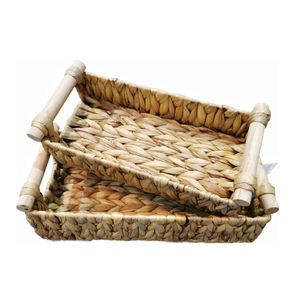
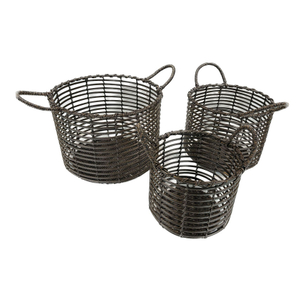
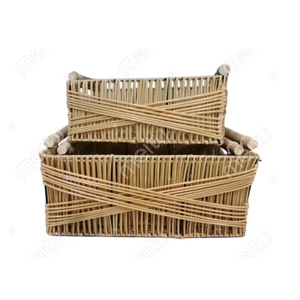
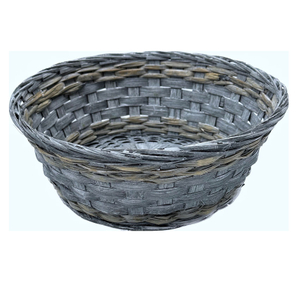
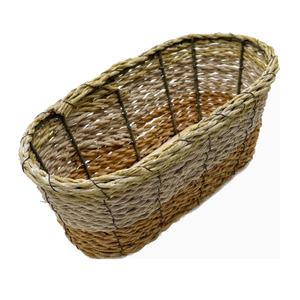
Select a wicker basket that complements the colors and textures of your dried flowers. Consider the size and shape of the basket to ensure it can hold your arrangement comfortably.
Before adding flowers, you might want to line the basket with a decorative paper or fabric to prevent the flowers from falling through the wicker. This step also helps protect the basket from any potential moisture.
1. Start with a Base: Use greenery like dried ferns or baby's breath to create a base.
2. Add Flowers: Arrange your dried flowers in a way that looks visually appealing.
3. Add Decorations: Consider adding ribbons, bows, or other decorative elements to enhance the arrangement.
- Avoid Direct Sunlight: Direct sunlight can cause colors to fade.
- Dust Regularly: Use a soft brush to remove dust.
- Store Properly: Keep in a cool, dry place when not displayed.
1. Seasonal Themes: Create arrangements that reflect the current season, such as using autumn leaves in fall or pastel colors in spring.
2. Mixing Textures: Combine dried flowers with other natural elements like pinecones, twigs, or dried fruits.
3. Color Schemes: Design arrangements around specific color palettes to match your home decor.
To protect dried flowers from dust and moisture, consider spraying them with a clear varnish. This helps maintain their appearance and extends their lifespan.
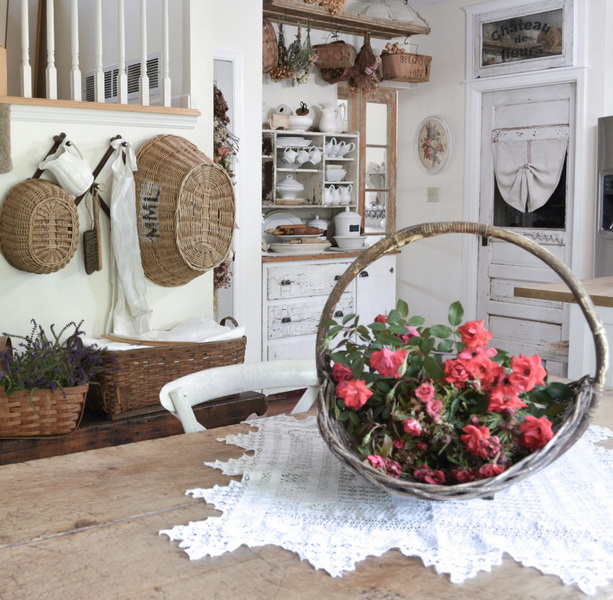
If you have a large collection of dried flowers, consider creating a dried flower garden in a large wicker basket or container. This can be a stunning centerpiece for any room.
Drying flowers and arranging them in wicker baskets is a creative way to preserve their beauty and add a touch of elegance to your home decor. Whether you choose air drying, silica gel, or another method, the key is to select flowers that dry well and maintain them properly. With these techniques and tips, you can enjoy your dried flower arrangements for years to come.
Flowers with sturdy petals and low moisture content, such as roses, lavender, and baby's breath, are ideal for drying.
The air drying method typically takes several weeks, depending on the type of flowers and environmental conditions.
Silica gel works best with flowers that have a low moisture content initially, such as roses and daisies. It may not be as effective for very delicate or high-moisture flowers.
To prevent fading, keep dried flowers away from direct sunlight and store them in a cool, dark place when not displayed.
While dried flowers can be used outdoors, they should be protected from direct sunlight and moisture to maintain their appearance.
[1] https://www.cottageonbunkerhill.com/how-to-dry-flowers-projects-you-can-make/
[2] https://edis.ifas.ufl.edu/publication/EP004
[3] https://www.kremp.com/blogs/the-kremp-florist-blog/how-to-dry-flowers
[4] https://www.ivy.com.tw/newsLetter/analysis_cont/2022080116411864401?srsltid=AfmBOooqUKIzrz4iBLOZkLDydjGbwReZb17RUUjBOiNx8l2njTrNFwfS
[5] https://www.agmcontainer.com/blog/how-to/dry-flowers-using-silica-gel/
[6] https://pmc.ncbi.nlm.nih.gov/articles/PMC10225293/
[7] https://en.renovablesverdes.com/how-to-decorate-a-wicker-basket-with-dried-flowers/
[8] http://extension.msstate.edu/publications/the-professional-florist%E2%80%99s-manual-for-the-care-and-handling-fresh-cut-flowers-and