Content Menu
>> Step 1: Prepare Your Materials
● Troubleshooting Common Issues
● Exploring Different Weaving Techniques
● Cultural Significance of Basket Weaving
● FAQ
>> 1. What materials are best for beginners in basket weaving?
>> 2. How do I make my weaving material more pliable?
>> 3. Can I use yarn instead of natural fibers?
>> 4. What should I do if my basket starts losing its shape?
>> 5. How long does it typically take to complete a basket?
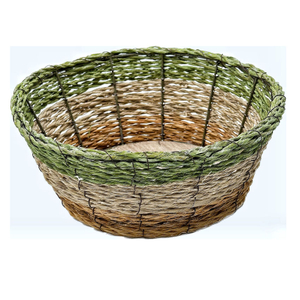
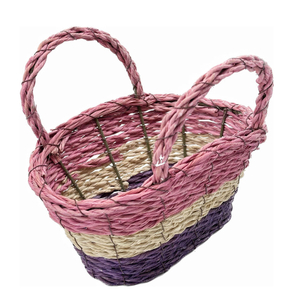
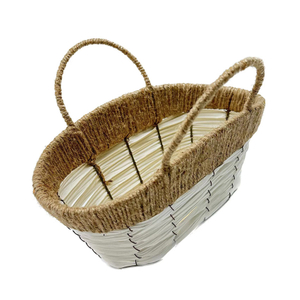
Basket weaving is a traditional craft that has been practiced for centuries, allowing artisans to create beautiful and functional items from natural materials. The basket weave stitch is a popular technique among both beginner and experienced crafters, offering a textured finish that resembles the intricate patterns found in woven baskets. In this comprehensive guide, we will explore how to pipe basket weave, covering everything from the materials needed to step-by-step instructions, tips for success, troubleshooting common issues, and an exploration of the cultural significance of basket weaving.
Before you begin your basket weaving project, gather the following materials:
- Weaving Material: Choose from natural fibers like willow, reed, or grasses. Synthetic materials like raffia or yarn can also be used for decorative projects.
- Tools:
- Scissors
- Measuring tape
- A bodkin or tapestry needle for threading
- A sturdy base (like cardboard or a wooden frame) to start your basket
- Water: Soaking your materials can make them more pliable and easier to work with.
Soak your chosen weaving material in water for at least 30 minutes. This will soften the fibers and make them easier to manipulate.
1. Cut the Base: If you're using cardboard or wood, cut it into your desired shape (round or rectangular).
2. Insert Stakes: For a traditional basket weave, insert vertical stakes into the base. These will serve as the framework for your basket. Space them evenly apart.
1. Begin with the First Row: Take a length of your weaving material and tie it securely to one of the stakes.
2. Weave Over and Under: Start weaving by passing the material over one stake and under the next. Continue this pattern around the base until you have completed one full round.
3. Tighten Your Weave: As you work, pull each strand tightly to ensure a snug fit.
1. Add New Stakes: Once you have reached your desired height for the base, insert new stakes vertically around the perimeter of your basket.
2. Continue Weaving: Repeat the over-and-under pattern with your weaving material, now working around these new stakes.
3. Change Patterns: To create a basket weave effect, alternate between different types of weaving techniques (e.g., twining or plaiting) as you build up the sides.
1. Secure Your Ends: Once you reach your desired height, tuck the ends of your weaving material back into the last row of stitches to secure them.
2. Trim Excess Material: Use scissors to trim any excess stakes protruding from the top of your basket.
3. Create a Rim (Optional): For added durability and aesthetics, fold over the top edges of your basket and secure them with additional weaving.

- Choose Flexible Materials: The flexibility of your chosen fibers is crucial for creating tight and neat weaves.
- Practice Patience: Basket weaving can be time-consuming; take breaks if needed to avoid frustration.
- Experiment with Patterns: Don't hesitate to try different weaving techniques or patterns to personalize your basket.
- Material Breakage: If your fibers snap while weaving, they may be too dry. Soak them again before continuing.
- Uneven Weave: If your weave appears uneven, adjust tension on each strand as you work to maintain consistency.
- Difficulty with Tight Spaces: If you're struggling to fit materials through tight spaces, use a bodkin or needle to help guide them through.
Understanding various techniques can enhance your basket-weaving skills and allow you to create unique designs:
- Plain Weave: This technique involves an over-one, under-one pattern that alternates from row to row. It is fundamental in creating a sturdy base for many baskets.
- Twining: Twining involves wrapping two or more horizontal strands (wefts) between vertical strands (warps). This method adds strength and texture to your basket.
- Coiling: Coiling entails sewing plant fibers around a foundation material; each row is stitched onto the one below it. This technique allows for creative shapes and forms in basketry.
- French Randing: This diagonal weave technique utilizes shorter pieces of reed effectively, creating visually appealing patterns on the walls of baskets[1][3].
Basket weaving holds deep cultural significance across various societies worldwide:
- In Native American cultures, baskets are not merely functional items; they represent a rich heritage passed down through generations. Each tribe uses specific techniques and materials that reflect their unique identity and history[4][10].
- Baskets have served essential purposes in daily life—used for gathering food, carrying water, and even as ceremonial objects. They symbolize community values and traditions that continue today[4].
- The art of basketry has evolved over time but remains a vital aspect of cultural expression for many indigenous peoples. Today's weavers often blend traditional methods with contemporary designs to create unique pieces that resonate with both heritage and modern aesthetics[10].
Piping basket weave is a rewarding craft that allows for creativity and personal expression through various patterns and materials. With practice and patience, anyone can master this technique and create beautiful woven items that can be used decoratively or functionally in everyday life. Whether you're crafting a simple storage basket or an intricate decorative piece, understanding the fundamentals of basket weaving will enrich your crafting experience and connect you with centuries of tradition.

Natural fibers like willow and reed are excellent choices as they are flexible and easy to manipulate. Synthetic materials like raffia are also suitable for decorative projects.
Soaking your materials in water for at least 30 minutes will soften them, making them easier to work with during the weaving process.
Yes! Yarn can be used for decorative baskets but may not provide the same structural integrity as natural fibers when creating functional baskets.
Ensure that you are pulling each strand tightly as you weave. If necessary, reinforce the structure by adding more stakes or using thicker materials.
The time required depends on the size and complexity of your design; small baskets may take a few hours while larger projects can take several days.
[1] https://www.textileindie.com/beginners-guide-basket-weaving/
[2] https://www.matttommey.com/basket-weaving-techniques
[3] https://www.textileindie.com/weaving-techniques-basket-making/
[4] https://www.sfomuseum.org/exhibitions/woven-legacies-basketry-native-north-america
[5] https://www.youtube.com/watch?v=F5fssON85g4
[6] https://www.ginasbaskets.com/patterns
[7] https://petalplum.com.au/blog/make-your-own-basket-how-to-weave-with-raffia-fabric
[8] https://www.youtube.com/watch?v=LSmHrX4-1Bk
[9] https://www.gathered.how/arts-crafts/weaving/beginners-guide-to-basket-weaving
[10] https://blog.kachinahouse.com/basket-weavings-importance-in-native-american-culture/