Views: 222 Author: Tomorrow Publish Time: 2025-01-02 Origin: Site


Content Menu
● Protecting Your Wicker Baskets
● Cleaning Wet or Dirty Wicker Baskets
● Types of Wicker Baskets and Their Water Resistance
● The Benefits of Wicker Baskets
● Creative Uses for Wicker Baskets
● Caring for Wicker Baskets in Different Environments
>> Dry Climates
>> Outdoor Use
● Repairing Water-Damaged Wicker Baskets
● The Cultural Significance of Wicker Baskets
● Sustainable Wicker: The Future of Basket Making
● FAQ
>> 1. How often should I clean my wicker baskets?
>> 2. Can I paint my wicker basket?
>> 3. How do I remove mold from a wicker basket?
>> 4. Are wicker baskets safe for food storage?
>> 5. How long do wicker baskets typically last?
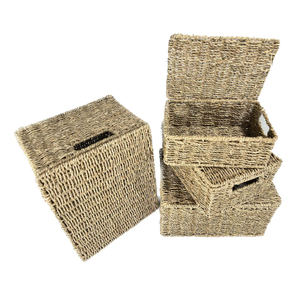
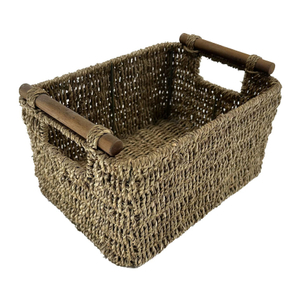
Wicker baskets are beloved for their natural beauty and versatility, but many people wonder about their durability when exposed to moisture. In this comprehensive guide, we'll explore whether wicker baskets can get wet, how to protect them, and how to care for them properly to ensure they last for years to come.
Wicker is a weaving technique used to create baskets, furniture, and other items from natural materials such as rattan, willow, bamboo, or reed. These natural fibers are pliable when wet, allowing them to be woven into intricate patterns. However, once dry, they become rigid and maintain their shape.
The short answer is yes, wicker baskets can get wet, but it's not recommended for prolonged exposure. While wicker is naturally water-resistant to some degree, excessive moisture can cause several issues:
1. Swelling: When wicker fibers absorb water, they swell and can lose their shape[1].
2. Weakening: Prolonged exposure to moisture can weaken the fibers, making the basket more susceptible to damage.
3. Mold and Mildew: Damp conditions create an ideal environment for mold and mildew growth.
4. Discoloration: Water can cause staining or discoloration of the wicker material.
To keep your wicker baskets in top condition, consider the following protective measures:
You can waterproof your wicker baskets to enhance their resistance to moisture. Here's how:
1. Clean the basket thoroughly and let it dry completely.
2. Apply a clear, water-repellent varnish or sealant using a brush or spray[1].
3. Allow the first coat to dry, then apply a second coat for added protection.
4. Let the basket dry fully before use.
Proper maintenance can significantly extend the life of your wicker baskets:
- Dusting: Regularly dust your baskets with a soft cloth or use a vacuum with a brush attachment.
- Cleaning: Wipe down your baskets with a damp cloth periodically to remove dirt and prevent buildup[4].
- Drying: If your basket does get wet, dry it thoroughly in a well-ventilated area, away from direct heat sources.
When not in use, store your wicker baskets in a cool, dry place away from direct sunlight and humidity[7].
If your wicker basket gets wet or dirty, follow these steps to clean it:
1. Remove any loose dirt with a soft brush.
2. Mix a small amount of mild soap with warm water.
3. Gently clean the basket with a soft cloth dipped in the soapy water.
4. Rinse with clean water, being careful not to soak the basket.
5. Pat dry with a towel and allow to air dry completely[3].
Different types of wicker materials have varying levels of water resistance:
1. Synthetic Wicker: Often used for outdoor furniture, synthetic wicker is highly water-resistant and can withstand rain and moisture.
2. Rattan: Natural rattan has some water resistance but should not be left in wet conditions for extended periods.
3. Willow: Willow baskets are more susceptible to water damage and should be kept dry whenever possible.
4. Bamboo: Bamboo has natural water-resistant properties but can still be damaged by prolonged exposure to moisture.
Understanding the material of your wicker basket can help you determine how much moisture it can handle.
Despite their sensitivity to moisture, wicker baskets offer numerous benefits:
1. Eco-friendly: Made from natural, renewable materials.
2. Versatile: Suitable for storage, decoration, and gifting.
3. Lightweight: Easy to move and rearrange.
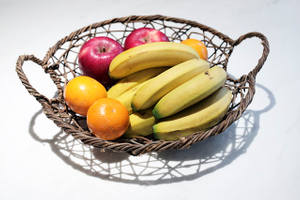
4. Breathable: Allows air circulation, making them ideal for storing fruits and vegetables.
5. Aesthetically pleasing: Adds a natural, rustic charm to any space.

Wicker baskets can be used in various ways around the home:
1. Storage: Use them to organize toys, linens, or office supplies.
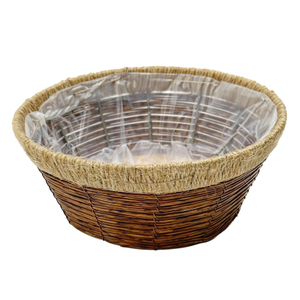
2. Planters: Line a wicker basket with plastic and use it as a decorative planter.
3. Wall decor: Hang a collection of wicker baskets on the wall for a bohemian look.
4. Picnic baskets: Perfect for outdoor meals and gatherings.
5. Laundry hampers: A stylish alternative to plastic laundry baskets.
The care of your wicker baskets may vary depending on the environment:
In humid areas, wicker baskets are more prone to mold and mildew. To protect them:
- Use dehumidifiers in storage areas.
- Regularly air out baskets in sunlight.
- Consider using moisture-absorbing products like silica gel packets.
In dry climates, wicker can become brittle. To prevent this:
- Occasionally mist baskets with water to maintain flexibility.
- Use a humidifier in storage areas.
- Apply a light coat of boiled linseed oil annually to keep the fibers supple.
For outdoor wicker baskets:
- Choose synthetic wicker or specially treated natural wicker.
- Store baskets indoors during inclement weather.
- Apply a UV-resistant sealant to protect against sun damage.
If your wicker basket has suffered water damage, you may be able to repair it:
1. Dry the basket thoroughly.
2. Reshape the basket while it's still slightly damp.
3. Replace any broken or severely damaged reeds.
4. Apply a new coat of varnish or sealant once repairs are complete.
Wicker baskets have been used for thousands of years across various cultures:
- In ancient Egypt, wicker baskets were used for storage and transportation.
- Native American tribes created intricate woven baskets for both practical and ceremonial purposes.
- In Europe, wicker baskets played a crucial role in agriculture and trade.
Understanding the rich history of wicker baskets can deepen our appreciation for these versatile items.
As environmental concerns grow, many manufacturers are focusing on sustainable wicker production:
- Using fast-growing, renewable materials like bamboo.
- Implementing eco-friendly harvesting practices.
- Developing biodegradable synthetic wicker alternatives.
By choosing sustainably produced wicker baskets, consumers can enjoy their beauty while minimizing environmental impact.
While wicker baskets can get wet, it's best to protect them from excessive moisture to ensure their longevity. With proper care, including waterproofing, regular cleaning, and appropriate storage, your wicker baskets can remain beautiful and functional for many years. Remember to consider the type of wicker and your local climate when caring for your baskets, and don't hesitate to repair minor damage to extend their life.

Regular dusting should be done weekly, while a more thorough cleaning with a damp cloth can be done monthly or as needed. Deep cleaning with soap and water should be done once or twice a year, depending on usage and exposure to dirt.
Yes, you can paint wicker baskets. Clean the basket thoroughly, apply a primer, and then use spray paint or brush-on paint designed for wicker. Multiple thin coats work better than one thick coat.
Mix equal parts white vinegar and water, apply the solution to the moldy areas with a soft brush, then wipe clean with a damp cloth. Allow the basket to dry completely in the sun if possible.
Natural wicker baskets are generally safe for dry food storage. However, for direct food contact, it's best to use a liner or choose baskets specifically treated for food use.
With proper care, high-quality wicker baskets can last for decades. However, baskets used frequently or exposed to harsh conditions may need replacement after 5-10 years.
[1] https://northernwillow.co.uk/blogs/news/can-you-waterproof-a-wicker-basket
[2] https://www.traditionalfisherman.com/viewtopic.php?t=4176
[3] https://www.daisylife.in/blogs/natural-decor/clean-wicker-baskets
[4] https://www.almacltd.com/blog/the-reading-basket-1/how-to-care-for-wicker-baskets-138
[5] https://artexnaman.com/how-to-preserve-wicker-baskets/
[6] https://arterahome.com/blogs/all/how-to-clean-wicker-baskets-the-ultimate-guide
[7] https://www.anhuicraft.com/2024/01/25/the-service-life-and-maintenance-measures-of-wicker-baskets/
[8] https://www.wickerwoman.com/articles/basket-care
[9] https://thanhcongcraft.com/how-to-keep-wicker-baskets-from-drying-out/
[10] https://www.traditionalfisherman.com/viewtopic.php?t=33842