Views: 222 Author: Tomorrow Publish Time: 2025-02-15 Origin: Site


Content Menu
● Australian Biosecurity Regulations
● Potential Outcomes of Inspection
● Tips for Importing Wicker Baskets
● Restrictions and Prohibited Items
● FAQ
>> 1. Do I need a permit to import wicker baskets into Australia?
>> 2. What happens if I don't declare my wicker baskets?
>> 3. Can I bring wicker furniture into Australia?
>> 4. How do I clean wicker baskets before importing them?
>> 5. Where can I find more information on Australian biosecurity regulations?
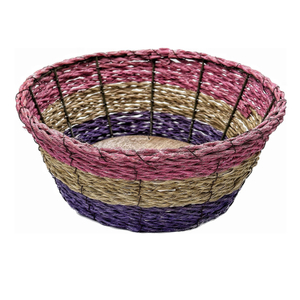
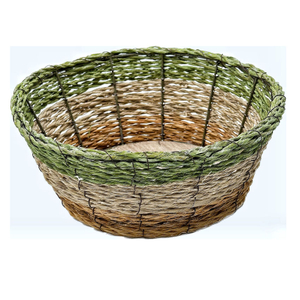
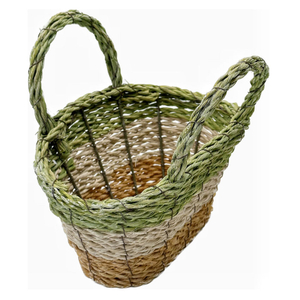
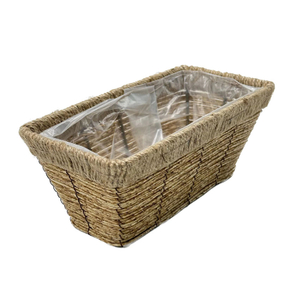
Moving to Australia involves navigating a complex set of biosecurity and customs regulations, especially when it comes to items made from natural materials like wicker. Wicker baskets, known for their charm and utility, fall under this category. Understanding the rules and regulations surrounding their import can save you from potential headaches, delays, and even fines. This comprehensive guide will walk you through everything you need to know about bringing wicker baskets into Australia, ensuring a smooth transition for your treasured belongings.
Wicker is not a specific material but rather a technique of weaving natural materials into various products[4]. The term "wicker" refers to the weaving process itself, while the materials used can vary widely. Common materials used in wickerwork include:
- Willow: A flexible and readily available material, willow is a popular choice for traditional wicker baskets and furniture[4].
- Rattan: Strong and durable, rattan is often used for more robust wicker items[8].
- Bamboo: Lightweight and sustainable, bamboo is increasingly used in modern wicker designs[2][8].
- Cane: Derived from the rattan plant, cane is used for finer weaving and detailing[8].
- Water Hyacinth: An eco-friendly option, water hyacinth is a fast-growing plant that can be woven into sturdy baskets[8].
Australia has some of the strictest biosecurity regulations in the world, designed to protect its unique environment and agricultural industries from foreign pests and diseases[7]. These regulations are enforced by the Department of Agriculture and Water Resources, which meticulously inspects imported goods for potential biosecurity risks[1].
Why are these regulations so stringent?
- Protecting Native Flora and Fauna: Australia's isolation has led to the evolution of unique ecosystems that are particularly vulnerable to introduced species[7].
- Safeguarding Agriculture: The agricultural sector is a significant contributor to the Australian economy, and strict biosecurity measures are essential to prevent devastating outbreaks of plant and animal diseases[7].
- Maintaining Human Health: Some pests and diseases can also pose a risk to human health, making biosecurity a public health issue as well[7].
When importing wicker baskets into Australia, declaring them to customs officials is mandatory[2][5]. This applies whether you are bringing them in your luggage, sending them through the mail, or shipping them as part of your personal effects[2].
How to Declare:
- In Your Luggage: If you are carrying wicker baskets with you on an international flight or ship, you must declare them on your incoming passenger card[2].
- Through the Mail: Items sent through the mail must be clearly labeled with the contents of the parcel, box, or commercial invoice[2].
- Through Cargo: For items imported through cargo, a detailed packing list is required, specifying the materials used in the furniture (e.g., "wooden furniture," "bamboo baskets")[2].

Upon arrival in Australia, your wicker baskets will be inspected by a biosecurity officer to ensure they are free from biosecurity risk materials such as insects, soil, and bark[2].
What Inspectors Look For:
- Insect Infestation: Inspectors will check for signs of live insects or insect damage, such as holes and sawdust[2].
- Soil Contamination: Soil can carry harmful pathogens and pests, so any traces of soil must be removed[2][7].
- Bark: Bark can harbor insects and diseases, so its presence may lead to further scrutiny or rejection[2][7].
Depending on the biosecurity risk, several outcomes are possible following the inspection of your wicker baskets[2]:
- Clearance: If the baskets are clean and pose no apparent biosecurity risk, they will be cleared for entry into Australia[5].
- Treatment: If a minor risk is identified, you may be given the option to have the item treated at your own cost. Approved treatments include fumigation and irradiation[2].
- Export: You may choose to export the item back to its country of origin[2].
- Destruction: In cases where the biosecurity risk is significant and treatment is not feasible, the item may be destroyed by the Department of Agriculture and Water Resources[2][7].
To increase the likelihood of a smooth import process, consider the following tips:
- Cleanliness: Thoroughly clean your wicker baskets before shipping them. Remove any dirt, soil, and visible signs of insects[2][7].
- Treatment: Consider treating the baskets with a suitable insecticide before departure to eliminate any potential pests[2].
- Documentation: Keep detailed records of your purchase, including receipts and descriptions of the materials used[2].
- Honest Declaration: Always declare your wicker baskets on your incoming passenger card or shipping documents. Honesty is crucial, and failure to declare items can result in hefty fines[2][5].
Certain types of wicker products may face additional restrictions or be prohibited altogether[7]:
- Items Made from Prohibited Materials: Products made from banana leaves are typically prohibited due to the risk of transmitting diseases[7].
- Unprocessed Wood: Items made from untreated wood or bark may be prohibited or require treatment[7].
- Contaminated Items: Wicker baskets contaminated with soil, insects, or plant material are likely to be rejected[2][7].
- Boxes Previously Containing Organic Matter: Do not use boxes that have been in contact with organic substances like fruits or bread, as these can lead to delays and fines due to quarantine regulations[1].
Importing wicker baskets into Australia requires careful attention to biosecurity regulations. By understanding these rules, declaring your items honestly, and taking steps to ensure they are clean and pest-free, you can minimize the risk of delays or rejection. Always refer to the Department of Agriculture and Water Resources for the most up-to-date information and specific requirements.

No, you do not typically need a permit to import wicker baskets for personal use. However, you must declare the items and ensure they meet all biosecurity requirements[2].
Failure to declare items can result in fines, delays, and potential legal consequences. It is always best to declare any items of concern to avoid penalties[5].
Yes, you can bring wicker furniture into Australia, but it is subject to the same biosecurity requirements as wicker baskets. Ensure the furniture is clean, free from pests, and made from approved materials[8].
Use a vacuum cleaner with a brush attachment to remove dust and debris. For stubborn dirt, use a damp cloth with mild soap. Ensure the baskets are completely dry before packing them[2][7].
You can find detailed information on the Department of Agriculture and Water Resources website or through their Biosecurity Import Conditions system (BICON)[2].
[1] https://www.sevenseasworldwide.com/customs-advice/australia/
[2] https://www.agriculture.gov.au/biosecurity-trade/import/goods/timber/personal_imports_of_timber_and_wooden_related_articles
[3] https://m.kekenet.com/kouyu/200601/3069.shtml
[4] https://www.agriculture.gov.au/biosecurity-trade/import/goods/timber/types
[5] https://www.tripadvisor.in/ShowTopic-g293740-i9186-k5841604-Woven_baskets_handbag_can_I_take_back_to_Aus-South_Africa.html
[6] https://www.sohu.com/a/732353962_121124334
[7] https://burkebros.co.uk/moving-to-australia-what-can-i-take/
[8] https://www.agriculture.gov.au/biosecurity-trade/travelling/moving-immigrating