Views: 222 Author: Tomorrow Publish Time: 2025-02-16 Origin: Site


Content Menu
● Understanding Wicker Baskets
>> Benefits of Using Wicker Baskets
>> Types of Wicker Baskets Suitable for Pot Holding
● How to Use Wicker Baskets as Pot Holders
>> Steps to Safely Use Wicker Baskets
>> DIY Ideas for Enhancing Wicker Baskets
● Selecting the Right Plants for Wicker Baskets
● Maintenance of Wicker Baskets
● Creative Ways to Use Wicker Baskets as Pot Holders
● FAQ
>> 1. Can I plant directly into a wicker basket?
>> 2. How do I prevent my wicker basket from getting damaged?
>> 3. What type of plants are best suited for wicker baskets?
>> 4. Can I use wicker baskets outdoors?
>> 5. How do I clean my wicker basket?
Wicker baskets have long been celebrated for their aesthetic appeal and versatility in home decor. Their natural charm and woven texture bring a touch of rustic elegance to any space, making them a popular choice for various household applications. As we explore the question, "Can You Use A Wicker Basket As A Pot Holder?", we will delve into the practicalities, benefits, and potential pitfalls of using wicker baskets in this unique capacity. This article will provide a comprehensive guide, including tips on how to effectively use wicker baskets as pot holders, DIY ideas, and maintenance advice, ensuring that you can integrate these versatile items into your home décor safely and stylishly.
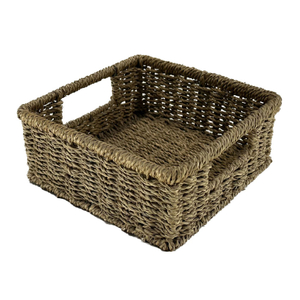
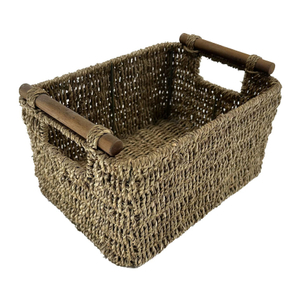
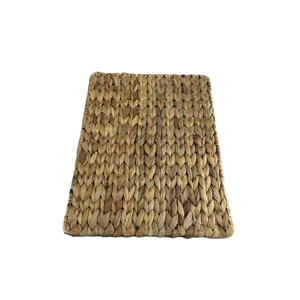
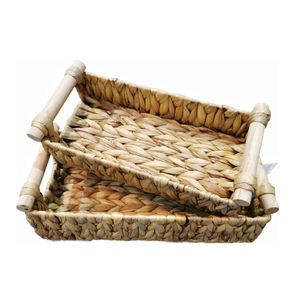
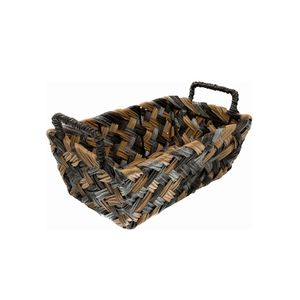
Wicker baskets are crafted from woven materials such as rattan, willow, reed, and even bamboo, each offering its own unique texture and durability. The art of wickerwork dates back centuries, with techniques refined over time to create baskets that are both functional and beautiful.
- Aesthetic Appeal: Wicker baskets add a rustic, natural charm to any space, blending seamlessly with various décor styles, from farmhouse to bohemian.
- Versatility: They can be used for various purposes, including storage, decor, and as plant holders, making them a versatile addition to any home.
- Eco-Friendly: Made from natural materials, they are biodegradable and sustainable, aligning with eco-conscious living.
- Lightweight: Easy to move and reposition, making them ideal for dynamic spaces.
- Breathable: The woven structure allows for air circulation, which can be beneficial for certain plants.
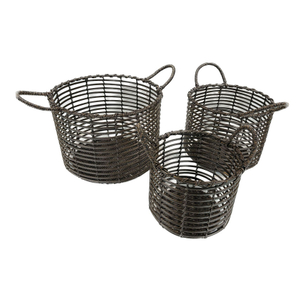
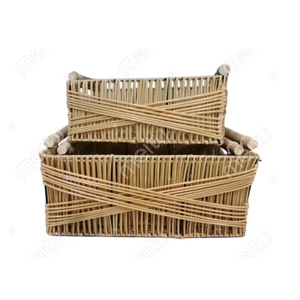
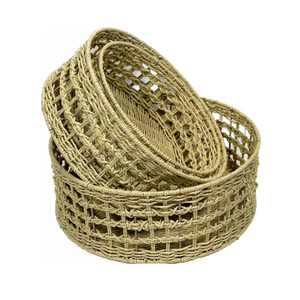
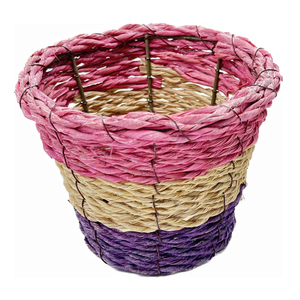
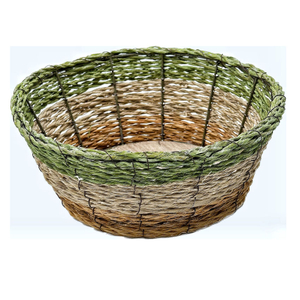
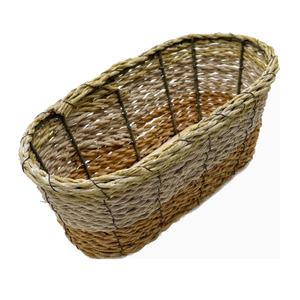
1. Decorative Baskets: Often used for display purposes, these baskets can hold pots inside them, adding an extra layer of style to your plant arrangements. They come in various shapes, sizes, and designs, allowing you to find the perfect match for your home décor.
2. Planter Baskets: Specifically designed to accommodate plant pots with drainage, these baskets often come with a built-in plastic liner or a designated space for a drip tray. They are ideal for both indoor and outdoor use.
3. Utility Baskets: Sturdier options that can withstand heat if used as pot holders for warm items (though direct contact with very hot pots should still be avoided). These baskets are typically made from thicker, more durable materials.
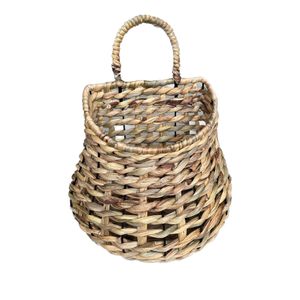
4. Hanging Baskets: While technically not used as traditional pot holders on the ground, hanging wicker baskets are a beautiful way to display plants and add vertical interest to your space.
Using wicker baskets as pot holders requires some consideration to ensure that they remain functional and do not get damaged by moisture or heat. The goal is to protect the basket while still enjoying its aesthetic benefits.
1. Choose the Right Basket: Select a basket that is large enough to hold your pot securely, with enough room for the pot to sit comfortably without straining the basket's structure. Consider the weight of the pot and plant to ensure the basket can handle the load.
2. Line the Basket: Use a plastic liner or trash bag inside the basket to prevent moisture from seeping through. This is crucial to protect the wicker from rot and mold. Make sure the liner is sturdy enough to contain any water that may drain from the pot.
3. Drainage Considerations: Ensure that your pot has drainage holes and place it on a tray if necessary to catch excess water. This prevents water from sitting at the bottom of the basket and causing damage. Regularly check the tray and empty any accumulated water.
4. Avoid Direct Heat: Do not place hot pots directly on the wicker; instead, use trivets or heat-resistant pads. This is especially important when using wicker baskets as pot holders for warm dishes or cookware. Always use a protective barrier to prevent scorching or burning the wicker.
5. Elevate the Pot: Consider placing small pebbles or pot feet inside the basket to elevate the pot slightly. This allows for better air circulation and prevents the pot from sitting directly in any accumulated water.
- Adding Liners: Create custom liners using fabric or plastic to match your home decor. This is a fun and easy way to personalize your wicker basket and ensure it complements your interior design. You can use waterproof fabrics like oilcloth or laminate for added protection against moisture.
- Painting or Staining: Personalize your wicker basket with non-toxic paint or stain. Choose colors that match your existing décor or create a bold statement piece. Ensure the paint or stain is suitable for natural materials and won't damage the wicker.
- Embellishments: Add ribbons, beads, or other decorative elements for a more personalized touch. Get creative with your embellishments to create a unique and eye-catching pot holder. Consider using natural materials like twine, jute, or dried flowers for a rustic look.
- Waterproofing: Apply a waterproofing sealant to the exterior of the basket to protect it from moisture damage, especially if you plan to use it outdoors or in a humid environment. Look for sealants specifically designed for natural materials like wicker.
- Reinforcement: Strengthen the basket by adding extra layers of woven material or reinforcing the base with a sturdy board. This is particularly useful if you plan to use the basket for heavy pots.

Choosing the right plants for your wicker basket pot holders is essential for both the health of the plants and the longevity of the basket. Consider the following factors when selecting plants:
Ensure the plant is appropriately sized for the basket and that the basket can support its weight, especially when the soil is wet. Overly heavy plants can damage the basket and make it difficult to move.
Select plants that have similar watering needs to avoid overwatering or underwatering. Plants that require frequent watering may not be suitable for wicker baskets unless you take extra precautions to protect the basket from moisture.
Consider the amount of sunlight the plant needs and place the basket in an appropriate location. Some plants thrive in bright, direct sunlight, while others prefer indirect or filtered light.
- Herbs: Herbs like basil, mint, and rosemary are well-suited for wicker baskets as they generally prefer well-drained soil and can tolerate some dryness.
- Succulents: Succulents such as echeverias and sedums are excellent choices for wicker baskets due to their low water requirements and drought tolerance.
- Flowers: Small flowering plants like pansies, petunias, and impatiens can add a pop of color to your wicker basket arrangements.
- Trailing Plants: Trailing plants like ivy, spider plants, and pothos can create a beautiful cascading effect when placed in hanging wicker baskets.
To ensure longevity when using wicker baskets as pot holders, proper maintenance is essential. Regular care will keep your baskets looking their best and prevent damage from moisture, pests, and wear.
- Dust Regularly: Use a soft cloth or brush to remove dust buildup. Regular dusting prevents dust from settling into the crevices of the wicker, making it easier to clean.
- Spot Clean: For stains, use a damp cloth with mild soap; avoid soaking the basket. Gently blot the stain with a mixture of mild soap and water, and then pat dry with a clean cloth. Avoid using harsh chemicals or abrasive cleaners, as these can damage the wicker.
- Deep Cleaning: If the basket requires a more thorough cleaning, you can use a solution of warm water and vinegar. Dip a soft brush into the solution and gently scrub the wicker, then rinse with clean water and allow it to dry completely.
- Mold Prevention: To prevent mold and mildew growth, ensure the basket is well-ventilated and dry. If mold does appear, clean it with a mixture of bleach and water, and then allow the basket to dry in the sun.
- Store Properly: When not in use, store baskets in a dry place away from direct sunlight. Exposure to sunlight can cause the wicker to fade and become brittle.
- Loose Weaves: If the weaves of the basket become loose, you can try to tighten them by gently wetting the area and allowing it to dry. This can help the fibers to shrink and tighten.
- Broken Strands: If a strand of wicker breaks, you can repair it by gluing it back in place with wood glue or by weaving in a new strand.
- Re-staining or Painting: If the color of the basket fades or becomes worn, you can re-stain or paint it to restore its original appearance.
- Hanging Gardens: Create a vertical garden by hanging multiple wicker baskets at different heights. This is a great way to save space and add visual interest to your home or garden.
- Table Centerpieces: Use a wicker basket as a centerpiece for your dining table or coffee table. Fill it with a variety of plants and flowers to create a beautiful and natural arrangement.
- Entryway Decor: Place a large wicker basket near your entryway to welcome guests with a touch of rustic charm. Fill it with seasonal plants and decorations to create a festive atmosphere.
- Balcony Gardens: Maximize your balcony space by using wicker baskets to create a small garden. Choose plants that thrive in containers and arrange them in a visually appealing way.
- Indoor Greenery: Bring the outdoors in by using wicker baskets to display your indoor plants. Choose plants that complement your home décor and create a relaxing and inviting atmosphere.
Using wicker baskets as pot holders can be both practical and stylish if done correctly. By understanding the types of baskets available and following proper usage guidelines, you can enjoy the beauty of wicker while ensuring your plants thrive. With some creativity and care, these baskets can serve multiple functions in your home, adding a touch of rustic charm and natural elegance to your living space. Embrace the versatility of wicker and explore the endless possibilities for incorporating these beautiful baskets into your home décor.

No, it's best to use a plastic pot inside the basket to avoid mold and damage from moisture. Direct planting can lead to water damage, which can quickly deteriorate the wicker.
Always line the basket with plastic and avoid placing hot pots directly onto it. Regular cleaning and maintenance can also extend the life of your wicker basket.
Choose plants that thrive in pots with good drainage; herbs or small flowers work well. Consider the plant's light and water requirements to ensure it thrives in the basket.
Yes, but ensure they are treated for outdoor use to withstand weather conditions. Look for wicker baskets specifically designed for outdoor use or apply a waterproofing sealant to protect them from the elements.
Dust regularly and spot clean stains with mild soap and water; avoid soaking. Allow the basket to dry completely before storing or reusing it.
[1] https://www.thebasketcompany.com/garden-outdoor-c143/plant-pots-planters-c21
[2] https://centsationalstyle.com/2021/06/diy-woven-basket-plant-stands/
[3] https://blog.csdn.net/Angelina_Jolie/article/details/139147709
[4] https://www.reddit.com/r/IndoorGarden/comments/wem18l/okay_indoor_plant_expertsplease_tell_me_if_i_made/
[5] https://www.youtube.com/watch?v=FLGTs6cl4Xc
[6] https://blog.csdn.net/u012549626/article/details/127719965
[7] https://www.etsy.com/listing/1594805458/unique-vintage-boho-wicker-basket-pot?gpla=1
[8] https://www.youtube.com/watch?v=IkFXC9TAsYI