Views: 222 Author: Tomorrow Publish Time: 2025-02-20 Origin: Site


Content Menu
>> B. The Liner
>> C. The Soil
>> C. Incorporating the Spillers
>> B. Protection from the Elements
>> C. Aesthetic Considerations
● Creative Ideas for Hanging Baskets
● Displaying Your Hanging Basket
>> A. Choosing the Right Hanger
● FAQ
>> 1. What is the best type of basket for a hanging flower arrangement?
>> 2. How often should I water my hanging flower basket?
>> 3. What are the essential components of a hanging flower basket arrangement?
>> 4. How do I protect my hanging flower basket from pests and diseases?
>> 5. Can I reuse potting soil in my hanging flower basket?
Hanging flower baskets bring a burst of color and life to any space, whether it's a cozy balcony, a sunny porch, or a garden. Arranging flowers in a hanging wire wicker basket is a delightful way to showcase your creativity and gardening skills. This guide provides a step-by-step approach to creating stunning floral displays.
Before you begin, assemble all the necessary materials. This ensures a smooth and efficient process.
Choosing the Right Basket:
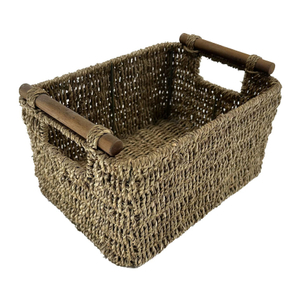
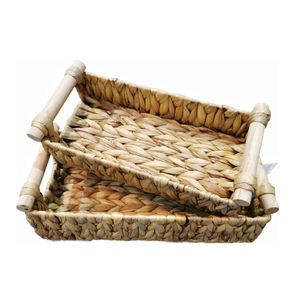
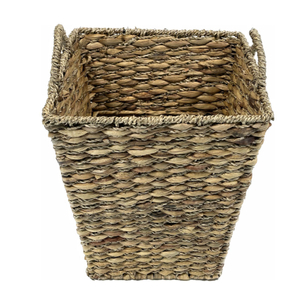
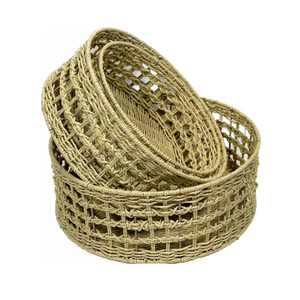
- Select a wire, wicker, coco fiber, or plastic basket that complements your decor[3][7].
- Ensure the basket is sturdy and has a secure hanging mechanism.
- Consider the size of the basket in relation to the plants you intend to grow[3]. A basket that's too small requires more frequent watering and pruning[3]. Larger plants with deeper root systems need a bigger basket for adequate depth and soil surface[3].
Selecting a Liner:
- Use burlap to effectively hold the soil[3].
- Plastic containers with drainage trays are also a practical option[3].
- Sphagnum moss, though sometimes messy, can be used in sheets[3]. Soak the moss in water before packing it into the basket[3].
- Supamoss, made of recycled cotton fibers attached to thin plastic, is another excellent choice[3].
- For larger baskets, overlap two rectangular liners to slow water seepage and prevent soil washout[3].
Choosing Potting Soil:
- Use good quality, lightweight potting soil[3].
- Never use soil directly from your garden, as it can be heavy and may contain pests or diseases[3].
- Leave about an inch of space between the soil and the top of the container to allow room for watering[3].
- Check the label instructions on when to add slow-release fertilizer[3].
Selecting Flowers:
- Incorporate a thriller, a filler, and a spiller[3].
- Thriller: A taller plant in the middle, such as a geranium[3].
- Filler: Clumps of plants like coleus and marigolds[3].
- Spiller: Trailing plants such as petunias[3].
- Consider the mature size of the plants to avoid overcrowding[3]. Too many plants may not thrive, while too few can make the basket look sparse[3].
- Choose plants based on the amount of sunlight the basket will receive[3]. Fuchsias are great for shade, while petunias or million bells thrive in more sun[3].
- Include plants with attractive foliage, such as noninvasive dwarf ornamental grasses and ornamental sweet potatoes[3].
Essential Tools:
- Gardening gloves to protect your hands.
- Floristry scissors or pruning shears for trimming stems[9].
- Watering can or hose for watering the plants.
- Chicken wire to create a grid in which your flowers can nestle[6][9].
- Floral tape to help secure the chicken wire[6].

Installing the Liner:
- Place the chosen liner inside the basket[3].
- Ensure the liner fits snugly and covers the entire interior surface of the basket[3].
- If using sphagnum moss, soak it in water first and then press it firmly against the inside of the basket[3].
- For burlap or Supamoss, cut the liner to size and secure it in place[3].
Filling with Potting Mix:
- Fill the basket with lightweight potting soil, leaving about an inch of space at the top[3].
- Mix in slow-release fertilizer according to the package instructions[3].
- Ensure the soil is evenly distributed throughout the basket[3].
Positioning the Thriller:
- Plant the thriller, typically the tallest plant, in the center of the basket[3].
- Ensure the thriller is securely planted and its roots are well-covered with soil[3].
- The thriller serves as the focal point of the arrangement, drawing the eye to the center of the basket[3].
Arranging the Fillers:
- Surround the thriller with filler plants, spacing them evenly around the center[3].
- Fillers add volume and texture to the arrangement, creating a lush, full appearance[3].
- Choose a variety of colors and textures for the filler plants to add visual interest[3].
Positioning the Spillers:
- Plant the spillers around the edges of the basket, allowing them to cascade over the sides[3].
- Spillers add a sense of movement and drama to the arrangement, softening the edges of the basket[3].
- Ensure the spillers have enough room to trail and spread[3].
Filling in Gaps:
- Use additional greenery or small flowering plants to fill in any gaps in the arrangement[1].
- This ensures a balanced and visually appealing display[1].
To make a flower arrangement in a basket, start with a base layer of greenery and tulips, building from there[1]. Cut a few inches off the flower stems at a 45-degree angle, allowing the flowers to soak up more water and fit better in the container[1]. The first layer of greenery and tulips can simply lay on the basket to give the arrangement a fuller look as you work your way up and in[1]. Poke three stems into each space, which will allow them to fill the space and stand up in the tape-created squares[1]. Repeat this with tulips, then greenery, and finally baby's breath to fill in the gaps until the basket is full[1].
Thorough Watering:
- Give the completed basket an initial soaking to ensure the soil is thoroughly moistened[3].
- Water until water drains from the bottom of the basket[3].
Maintaining Moisture:
- Water the basket regularly, especially during hot weather, as small containers dry out quickly[3].
- Check the soil moisture daily and water when the top inch feels dry to the touch[3].
Nutrient Replenishment:
- Fertilize the plants regularly with a balanced liquid fertilizer to promote healthy growth and abundant blooms[3].
- Follow the instructions on the fertilizer package for application rates and frequency[3].
Encouraging Blooms:
- Prune and deadhead the plants regularly to encourage new blooms and maintain a tidy appearance[3].
- Remove any dead or faded flowers and foliage to prevent disease and promote air circulation[3].
Monitoring and Treatment:
- Inspect the plants regularly for signs of pests or diseases[3].
- Treat any infestations promptly with appropriate insecticides or fungicides[3].
- Use organic pest control methods whenever possible to protect beneficial insects and pollinators[3].
Assessing Light Levels:
- Consider the sunlight requirements of the plants when choosing a location for the hanging basket[3].
- Place shade-loving plants in a sheltered spot that receives indirect sunlight[3].
- Position sun-loving plants in a sunny location that receives at least six hours of direct sunlight per day[3].
Shielding from Harsh Weather:
- Protect the hanging basket from strong winds, heavy rain, and extreme temperatures[3].
- Move the basket to a sheltered location during storms or frost[3].
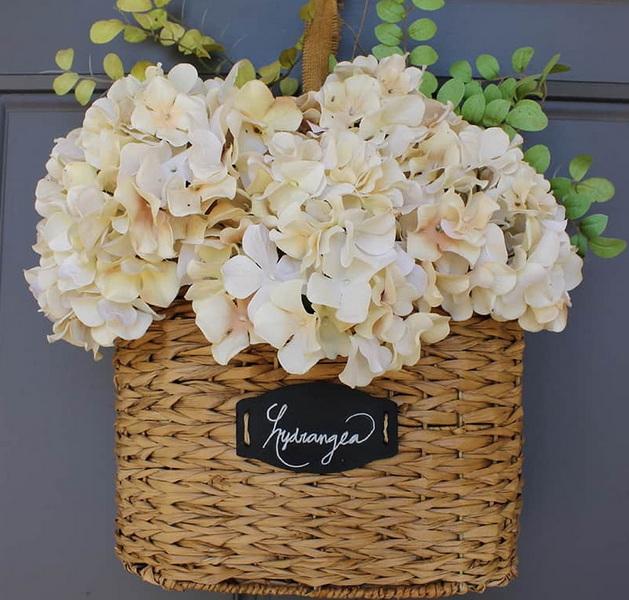
Enhancing Visual Appeal:
- Choose a location that complements the overall aesthetic of your outdoor space[3].
- Consider the backdrop and surrounding elements when positioning the hanging basket[3].
Creating a Theme:
- Design a hanging basket around a specific theme, such as a tropical oasis, a cottage garden, or a Mediterranean escape[3].
- Use plants that evoke the desired theme and create a cohesive and visually appealing display[3].
Expanding Your Garden:
- Use multiple hanging baskets to create a vertical garden, adding height and dimension to your outdoor space[3].
- Arrange the baskets at varying heights to create a dynamic and eye-catching display[3].
Adapting to the Seasons:
- Change the plants in your hanging basket seasonally to reflect the changing colors and textures of the year[3].
- Incorporate spring bulbs, summer annuals, fall foliage, and winter evergreens for year-round interest[3].
Selecting a Color Palette:
- Choose a color palette that complements your home and garden[3].
- Use a mix of complementary and contrasting colors to create a visually stimulating display[3].
Varying Textures:
- Incorporate plants with different textures and forms to add depth and interest to the arrangement[3].
- Combine fine-leaved plants with bold, coarse-textured foliage for a dynamic contrast[3].
Creating Levels:
- Create a sense of height and dimension by using plants of varying sizes and shapes[3].
- Position taller plants towards the back of the basket and shorter plants towards the front to create a layered effect[3].
Selecting a Hanger:
- Choose a hanger that is sturdy and can support the weight of the basket[3].
- Consider the style of the hanger and how it complements the basket and surrounding decor[3].
Ensuring Stability:
- Hang the basket securely from a strong hook or bracket[3].
- Ensure the basket is level and balanced[3].
Showcasing Your Work:
- Step back and admire your handiwork[3].
- Enjoy the beauty and color that your hanging flower basket brings to your outdoor space[3].
Creating a hanging flower basket is a rewarding project that brings beauty and vibrancy to any space. By following these detailed steps, you can design and maintain stunning floral displays that enhance your home and garden. Experiment with different plant combinations, themes, and locations to create unique and personalized arrangements that reflect your style and creativity.

The best type of basket for a hanging flower arrangement is one made of lightweight material such as wire, plastic, wicker, or peat[3]. Ensure the basket is sturdy and has a secure hanging mechanism[3].
Water your hanging flower basket regularly, especially during hot weather, as small containers dry out quickly[3]. Check the soil moisture daily and water when the top inch feels dry to the touch[3].
The essential components of a hanging flower basket arrangement include a thriller (a tall, central plant), fillers (plants that add volume), and spillers (trailing plants that cascade over the sides)[3].
Inspect the plants regularly for signs of pests or diseases[3]. Treat any infestations promptly with appropriate insecticides or fungicides, using organic methods whenever possible[3].
It is generally not recommended to reuse potting soil in hanging flower baskets, as it may be depleted of nutrients and could harbor pests or diseases[3]. It is best to use fresh, high-quality potting soil for each planting[3].
[1] https://www.thetatteredpew.com/how-to-make-a-flower-arrangement-in-a-basket/
[2] https://www.bbc.com/learningenglish/chinese/features/q-and-a/ep-200318
[3] https://www.birdsandblooms.com/gardening/small-space-gardening/hanging-flower-basket/
[4] https://www.sohu.com/a/165871188_697978
[5] https://www.youtube.com/watch?v=g-lSZ9oiCOY
[6] https://www.gardenista.com/posts/flower-arranging-101-a-crash-course-for-the-uninitiated/
[7] https://designerplants.com/blogs/news/how-to-make-a-hanging-basket-for-artificial-plants
[8] https://opentextbc.ca/writingforsuccess/chapter/chapter-3-putting-ideas-into-your-own-words-and-paragraphs/
[9] https://www.youtube.com/watch?v=GBgEJPV3-Qs