Views: 222 Author: Tomorrow Publish Time: 2025-02-08 Origin: Site


Content Menu
● Understanding Different Types of Woven Baskets
● Essential Steps to Protect Your Woven Baskets
>> 2. Dealing with Mold and Mildew
● FAQ
>> 1. How often should I clean my woven baskets?
>> 2. Can I use bleach to clean mold from my woven baskets?
>> 3. How do I prevent my woven baskets from fading in the sun?
>> 4. What is the best way to store woven baskets when not in use?
>> 5. How can I repair a broken strand in my woven basket?
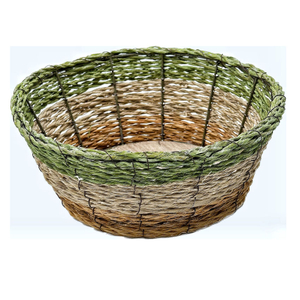
Woven baskets are not only practical storage solutions but also beautiful additions to any home decor[5]. Crafted from natural materials like elephant grass, sisal, and wicker, these baskets bring a touch of elegance and eco-friendliness to your living space[1][5]. However, their natural composition makes them susceptible to damage from moisture, sunlight, pests, and everyday wear and tear[1]. To ensure your woven baskets retain their beauty and functionality for years to come, proper care and protection are essential[1][5].
This comprehensive guide provides you with the ultimate tips and tricks to protect your woven baskets, maintain their pristine condition, and extend their lifespan. From regular cleaning and preventative measures to addressing specific issues like stains and mold, we'll cover everything you need to know to keep your baskets looking their best.
Woven baskets, often made from natural fibers, are vulnerable to various environmental factors[1][5]. Understanding the importance of protecting them can motivate you to take the necessary steps for their care.
-Preservation of Material Integrity: Natural materials like wicker, sisal, and elephant grass can break down over time if not properly cared for[5]. Regular maintenance prevents the accumulation of dirt and debris, preserving the structural integrity of the baskets[5].
-Prevention of Damage: Excessive moisture can weaken the fibers, leading to mold and mildew growth[1]. Sunlight can cause fading and brittleness, while pests can cause structural damage[1][4][5].
-Maintaining Aesthetic Appeal: Woven baskets add a touch of elegance to any space[5]. Protecting them ensures they retain their beautiful woven texture and color, enhancing your home decor[5].
-Extending Lifespan: By investing a little time in protecting your baskets, you can significantly extend their lifespan, making them a lasting addition to your home[5].
Woven baskets come in various materials, each requiring specific care[1]. Knowing the type of basket you have will help you tailor your protection methods.
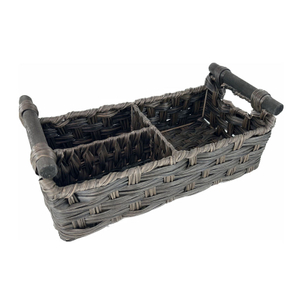
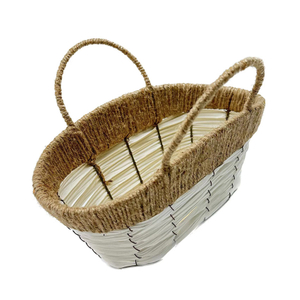
-Wicker Baskets: Typically made from willow, rattan, or bamboo, wicker baskets are known for their durability and classic look[4]. They are commonly used for storage, decor, and even as picnic baskets[4].
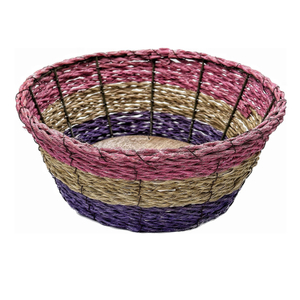
-Sisal Baskets: Sisal is a natural fiber derived from the agave plant, known for its strength and resilience[2]. Sisal baskets often feature vibrant colors and intricate patterns, making them popular for home decor[2].
-Elephant Grass Baskets: Handcrafted in Ghana, elephant grass baskets are made from a sustainable material known for its durability[1]. These baskets are often used for shopping, storage, and decorative purposes[1].
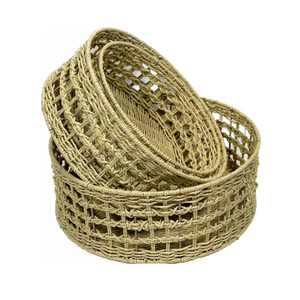
-Seagrass Baskets: Seagrass is a natural fiber that grows in marine environments[10]. Seagrass baskets are known for their flexibility and natural look, ideal for organizing various household items[10].
Protecting woven baskets involves several key steps, including regular cleaning, avoiding moisture and sunlight, treating for pests, and proper storage[1]. Here's a detailed guide to each aspect:
Regular cleaning is crucial for preventing the buildup of dust and dirt, which can degrade the fibers over time[5][10].
-Dusting: Use a soft cloth, feather duster, or a brush attachment on your vacuum cleaner to dust the baskets regularly[5][10]. This prevents dirt from settling into the crevices[10].
Moisture is one of the biggest threats to woven baskets, leading to mold, mildew, and fiber damage.
-Keep Baskets Dry: Store baskets in a dry, well-ventilated area. Avoid placing them in damp environments like bathrooms or basements.
-Use Desiccants: In humid climates, consider using desiccants like silica gel packets to absorb excess moisture. Place these packets inside the baskets to keep them dry.
-Immediate Drying: If a basket gets wet, dry it immediately with a clean cloth. Use a fan or place it in a well-ventilated area to ensure it dries thoroughly.
-Waterproof Liners: For baskets used to hold plants or potentially wet items, consider using waterproof liners to protect the basket material from moisture damage.
Prolonged exposure to direct sunlight can cause fading and brittleness of the natural fibers in woven baskets.
-Avoid Direct Sunlight: Place baskets away from direct sunlight, especially during peak hours. Sunlight can cause the colors to fade and the fibers to become brittle.
-Use Curtains or Blinds: If you can't avoid direct sunlight, use curtains or blinds to filter the light. This will protect the baskets from harmful UV rays.
-Rotate Baskets: Regularly rotate your baskets to ensure even exposure to light. This will prevent one side from fading more than the other.
-UV Protectant Sprays: Consider using UV protectant sprays designed for natural fibers. These sprays can help shield the baskets from the damaging effects of sunlight.
Pests like insects and rodents can cause significant damage to woven baskets.
-Regular Inspection: Regularly inspect your baskets for signs of pest infestation, such as small holes or droppings. Early detection can prevent extensive damage.
-Natural Repellents: Use natural pest repellents like cedar chips, lavender sachets, or cloves. Place these items near or inside the baskets to deter pests.
-Pest Control Products: If you have a severe pest problem, consider using pest control products specifically designed for natural fibers. Ensure these products are safe for your home and pets.
-Professional Services: For persistent infestations, consult with a professional pest control service. They can provide effective and safe solutions to protect your baskets.
How you store your woven baskets can significantly impact their longevity.
-Avoid Overcrowding: Do not overcrowd baskets with heavy items. Overloading can strain the fibers and cause the basket to lose its shape.
-Use Liners: When storing items with sharp edges or rough surfaces, use liners to protect the interior of the basket from scratches and damage.
-Elevate Baskets: Elevate baskets off the floor to prevent moisture absorption and pest infestation. Use shelves, racks, or stands to keep them dry and protected.
-Seasonal Storage: If storing baskets seasonally, clean them thoroughly before packing them away. Store them in a cool, dry place, away from direct sunlight and moisture. Use breathable storage bags to protect them from dust and pests while allowing air circulation.

Even with the best care, woven baskets can encounter common issues like stains, mold, and damage. Here's how to address them:
Stains can be unsightly, but they can often be removed with the right techniques.
-Act Quickly: Address stains as soon as possible. Fresh stains are easier to remove than old ones.
-Mild Soap and Water: For most stains, a solution of mild soap and water will suffice. Gently blot the stain with a soft cloth, working from the outside in. Avoid rubbing, which can spread the stain.
-Vinegar Solution: For tougher stains, try a solution of equal parts white vinegar and water. Apply the solution to the stain, let it sit for a few minutes, and then blot with a clean cloth.
-Baking Soda Paste: For stubborn stains, make a paste of baking soda and water. Apply the paste to the stain, let it dry, and then brush it off with a soft brush.
-Professional Cleaning: For delicate or valuable baskets, consider professional cleaning services. They have the expertise and equipment to remove stains without damaging the material.
Mold and mildew can thrive in damp conditions and can cause significant damage to woven baskets.
-Prevention: The best way to deal with mold and mildew is to prevent it from growing in the first place. Keep baskets dry and well-ventilated.
-Vinegar Solution: If mold or mildew appears, mix equal parts white vinegar and water. Apply the solution to the affected area, let it sit for a few minutes, and then wipe it off with a clean cloth.
-Baking Soda: Sprinkle baking soda on the affected area to absorb moisture and odors. Let it sit for a few hours, and then vacuum it off.
-Sunlight: Place the basket in direct sunlight for several hours. Sunlight can help kill mold and mildew spores.
-Professional Cleaning: For severe mold infestations, consider professional cleaning services. They can provide effective treatments to remove mold and prevent it from returning.
Woven baskets can sometimes suffer from damage like broken strands or unraveling.
-Loose Strands: If you notice loose strands, carefully tuck them back into the weave. Use a small amount of craft glue to secure them in place.
-Broken Strands: For broken strands, you can try to replace them with similar material. Use a needle and thread to weave the new strand into place.
-Professional Repair: For more complex damage, consider professional repair services. They have the skills and materials to restore your baskets to their original condition.
-Reinforcement: To prevent further damage, reinforce weak areas with additional weaving or by adding a backing material.
Selecting the right products for cleaning and protecting your woven baskets is crucial.
-Mild Detergents: Use mild, pH-neutral detergents that won't damage the natural fibers. Avoid harsh chemicals or abrasive cleaners.
-UV Protectant Sprays: Choose UV protectant sprays specifically designed for natural fibers. These sprays can help shield the baskets from the damaging effects of sunlight.
-Pest Control Products: Select pest control products that are safe for your home and pets. Look for natural or non-toxic options.
-Cleaning Tools: Use soft cloths, brushes, and vacuum attachments that won't scratch or damage the baskets.
Creating your own protective treatments can be a cost-effective way to care for your woven baskets.
-Beeswax Polish: Melt beeswax and mix it with a carrier oil like jojoba or coconut oil. Apply a thin layer of the polish to the basket to protect it from moisture and add a subtle shine.
-Essential Oil Blend: Create a blend of essential oils like lavender, cedarwood, and eucalyptus. Mix the oils with water and spray the solution onto the basket to repel pests and add a pleasant scent.
-Vinegar and Water Sealant: Mix equal parts white vinegar and water. Apply the solution to the basket to help seal the fibers and protect them from moisture.
Protecting woven baskets is an ongoing process that involves regular cleaning, avoiding moisture and sunlight, treating for pests, and proper storage. By following these tips and techniques, you can ensure your woven baskets retain their beauty and functionality for years to come. Whether you're dealing with stains, mold, or damage, remember that early intervention and the right products can make a significant difference.
By investing a little time and effort in protecting your woven baskets, you not only preserve their aesthetic appeal but also extend their lifespan, making them a lasting and cherished part of your home decor. Embrace these practices, and you'll enjoy the elegance and practicality of your woven baskets for many years.

Clean your woven baskets at least once a month to remove dust and dirt. For baskets used more frequently, consider cleaning them every two weeks.
No, avoid using bleach on woven baskets, as it can damage the natural fibers and cause discoloration. Instead, use a solution of equal parts white vinegar and water.
To prevent fading, keep your woven baskets away from direct sunlight. Use curtains or blinds to filter the light, and rotate the baskets regularly to ensure even exposure.
Store woven baskets in a cool, dry place, away from direct sunlight and moisture. Clean them thoroughly before packing them away, and use breathable storage bags to protect them from dust and pests.
To repair a broken strand, carefully tuck the loose ends back into the weave. Use a small amount of craft glue to secure them in place. For more complex damage, consider professional repair services.
[1] https://wovenworldwide.com/blogs/artisan-stories-craftsmanship-culture/caring-for-woven-baskets-tips-for-long-lasting-beauty
[2] https://www.thebasketroom.com/pages/care-for-your-basket
[3] https://www.mypitaya.com/100320.html
[4] https://www.wickerwoman.com/articles/basket-care
[5] https://arterahome.com/blogs/all/how-to-clean-wicker-baskets-the-ultimate-guide
[6] https://www.aip.org/sites/default/files/china/pdfs/ease_writing_guide.pdf
[7] https://www.youtube.com/watch?v=Q1qFWa3cdvY
[8] https://aarven.com/blogs/artisans/how-to-clean-a-woven-or-wicker-basket-care-guide
[9] https://iphysresearch.github.io/blog/post/writting/writting-in-the-sciences/unit3/
[10] https://storageworks.us/blogs/inspiration/caring-for-your-handwoven-baskets-a-beginners-guide