Views: 222 Author: Tomorrow Publish Time: 2025-02-14 Origin: Site


Content Menu
● Step-by-Step Guide to Weaving a Melon Basket
>> Step 1: Preparing Your Materials
>>> Tips for Effective Weaving
>> Step 5: Completing Your Basket
● Advanced Techniques for Experienced Weavers
● Care and Maintenance of Your Melon Basket
● Frequently Asked Questions (FAQ)
>> 1. What type of willow is best for weaving baskets?
>> 2. How long does it take to weave a melon basket?
>> 3. Can I use other materials besides willow?
>> 4. Is basket weaving difficult for beginners?
>> 5. Where can I find kits for making melon baskets?
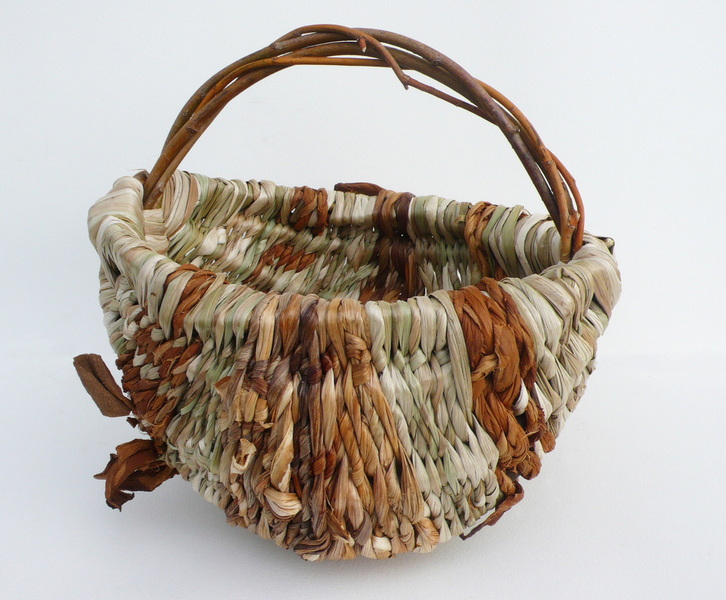
Weaving a melon basket is a delightful craft that combines artistry and functionality. This guide will walk you through the entire process of creating your own melon basket, from selecting materials to the final touches. We will explore various techniques, provide visual aids, and even include video tutorials to enhance your learning experience. By the end of this article, you will be equipped with the knowledge to create beautiful melon baskets that can serve as decorative pieces or practical storage solutions.
Before diving into the weaving process, it's essential to gather all necessary materials. Here's a list of what you will need:
- Willow or other suitable weaving materials: Choose flexible branches that can be easily manipulated. Other materials such as reed or cane can also be used.
- Scissors or a knife: For cutting your materials to the desired lengths.
- Water container: To soak your materials and make them more pliable.
- Measuring tape: To ensure accurate measurements for your hoops and spokes.
- Cloth or towel: To dry your hands and materials as needed.
- Clips or clothespins: Useful for holding pieces together while you work.
- A flat surface: A sturdy table or workspace where you can comfortably weave your basket.
1. Soak the Willow: Begin by soaking your willow branches in water for several hours. This will soften them and make them easier to weave. You can soak them overnight for best results.
2. Cut the Branches: After soaking, cut your willow into appropriate lengths for both the hoops and spokes of your basket. Typically, you'll need two hoops for the base and several spokes. A good rule of thumb is to cut the hoops about 1-2 feet long, depending on how large you want your basket.
1. Forming the Hoops: Take two willow branches and bend them into circular shapes to create your hoops. Ensure they are as close in size as possible.
2. Interlocking the Hoops: Place one hoop inside the other, positioning them perpendicular to each other. This forms the base structure of your basket.
1. Attaching Spokes: Cut additional branches to serve as spokes. Insert one end of each spoke into the outer hoop and bend it slightly to attach it to the inner hoop. Space them evenly around the hoop—typically, six to eight spokes work well for a melon basket.
2. Secure with Pressure: The pressure from bending should hold the spokes in place without needing additional tying.
1. Starting the Weave: Begin weaving by taking your main weaving wands (the long strips of willow) and going under and over each spoke, starting from the center (the “God's Eye”) outwards.
2. Maintaining Shape: It's recommended to weave a few inches on one side before switching to the other side to maintain an even shape.
- Keep Tension Consistent: As you weave, ensure that you maintain consistent tension on your weaving material. This will help prevent gaps and ensure a tight weave.
- Use Clips or Clothespins: If you find it challenging to hold everything in place while weaving, use clips or clothespins to secure pieces temporarily until they are woven together.
1. Finishing Touches: Once you reach the desired height of your basket (typically around 6-8 inches for a melon basket), finish by tucking in any loose ends of willow into the weave.
2. Creating a Handle (Optional): If you wish to add a handle, take two longer pieces of willow and bend them into an arc shape, attaching each end securely to opposite sides of the basket.
3. Drying Your Basket: Allow your basket to dry completely before using it. Place it in a cool, dry area away from direct sunlight.

For those who have some experience with basket weaving, consider incorporating advanced techniques such as:
- Colorful Dyes: You can dye some of your willow branches before weaving for added color and visual interest.
- Incorporating Natural Materials: Consider adding elements like dried flowers, grasses, or even beads during weaving for unique designs.
- Twining Techniques: Instead of traditional under-over weaving, try twining techniques that involve twisting two strands around each other for added texture.
- Creating Shapes: Explore different shapes by adjusting how tightly you pull on spokes or altering their lengths.
For those who prefer visual guidance, here are some excellent video resources:
To ensure longevity and maintain the beauty of your woven basket:
1. Avoid Excessive Moisture: Keep your basket dry; excessive moisture can warp or weaken the structure over time.
2. Store Properly: When not in use, store your basket in a cool, dry place away from direct sunlight.
3. Regular Cleaning: Dust off any dirt or debris regularly using a soft brush or cloth.
Weaving a melon basket is not only a rewarding craft but also a way to connect with traditional techniques passed down through generations. With practice, you can create stunning baskets that showcase your creativity and skill. Whether for personal use or as gifts, these baskets can serve many purposes while adding beauty to any space.
The best types of willow for basket weaving are typically flexible varieties such as Salix viminalis (common osier) or Salix purpurea (purple willow) due to their pliability and strength.
The time required can vary based on experience and complexity, but typically it takes about 3-5 hours for beginners.
Yes, other materials such as reed or cane can also be used for basket weaving, though they may require different techniques.
While it may seem challenging at first, with practice and patience, beginners can successfully learn how to weave baskets.
Many craft stores offer basket weaving kits that include all necessary materials and instructions, or you can find them online at various retailers.
[1] https://www.tapatalk.com/groups/paleoplanet69529/tutorial-on-making-a-melon-basket-from-willow-and--t31866.html
[2] https://www.youtube.com/watch?v=07VH9efhqyw
[3] https://iphysresearch.github.io/blog/post/writting/writting-in-the-sciences/unit3/
[4] https://www.jchoatebasketry.com/blogs/news/75658051-4-steps-to-a-perfect-basket-or-what-the-heck-is-a-turn-back
[5] https://www.youtube.com/watch?v=qdbSt955Gvc
[6] https://github.com/LianjiaTech/BELLE/blob/main/data/1.5M/zh_seed_tasks.json
[7] https://www.youtube.com/watch?v=XA3mEGOsGrM
[8] https://www.pinterest.com/pin/how-to-oval-melon-basket-6-last-oval-melon-basket-video--433682639098948863/
[9] https://www.youtube.com/watch?v=DZBxiNtpGis