Views: 222 Author: Tomorrow Publish Time: 2025-02-21 Origin: Site


Content Menu
● Advanced Techniques in Basket Weaving
>> 4. Using Different Materials
● Historical Context of Basket Weaving
● Personal Stories Related to Basket Weaving
● Frequently Asked Questions (FAQ)
>> 1. What type of reed is best for basket weaving?
>> 2. How long should I soak the reed before weaving?
>> 3. Can I use other materials besides reed?
>> 4. How do I maintain my woven basket?
>> 5. Is it difficult to learn basket weaving?
Weaving a muffin basket can be a delightful and rewarding craft project. This article will guide you through the entire process, from gathering materials to finishing touches. We will also include images and videos to enhance your understanding of each step. By the end, you will have a beautiful muffin basket that you can use or gift.
Before starting your project, gather the following materials:
- Rattan or reed: This will be the primary material for weaving.
- Scissors: For cutting the reed to the desired lengths.
- Measuring tape: To measure your materials accurately.
- Water: To soak the reed, making it more pliable.
- Clips or clothespins: To hold pieces together while working.
- A flat surface: A clean, flat area to work on.
1. Soak the Reed: Begin by soaking your reed in water for at least 30 minutes. This will soften it and make it easier to work with.
2. Cut the Reed: Measure and cut your reed into various lengths. You will need longer pieces for the base and shorter ones for the sides.
1. Lay Out the Base: Start with several long pieces of reed laid parallel on your work surface, spaced evenly apart.
2. Weave the Base: Take a shorter piece of reed and weave it over and under the longer pieces. Continue this pattern until you achieve a square or rectangular base.
3. Secure the Base: Use clips to hold everything in place as you work.
1. Start Weaving Upwards: Once your base is secure, begin adding vertical pieces of reed along the edges of your base. Weave them in and out, similar to how you did with the base.
2. Continue Adding Height: Keep adding more vertical reeds until you reach your desired height for the basket.
3. Creating Corners: When you reach a corner, fold the vertical reeds over to create a smooth transition. This technique helps maintain the shape of your basket.
4. Adjusting Tension: Ensure that each piece is woven tightly enough to hold its shape but not so tight that it bends or breaks.
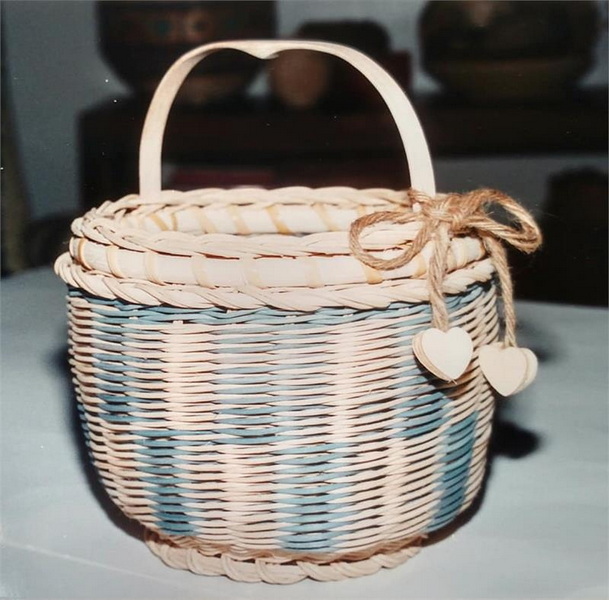
1. Create a Braided Rim: For a decorative finish, create a braided rim using additional reeds. This involves taking two pieces of reed and twisting them together before attaching them to the top edge of your basket.
2. Add Decorative Elements: Consider adding bows or other embellishments to personalize your basket.
3. Sealing Your Basket: To ensure durability, you may want to apply a natural sealant or varnish once your basket is complete and dry. This will protect it from moisture and wear over time.
To further assist you in this crafting journey, here are some video tutorials that demonstrate each step visually:
Once you've mastered the basics of weaving a muffin basket, consider exploring advanced techniques to enhance your skills:
The twill weave creates intricate patterns by alternating diagonal rows of reeds. This technique adds texture and visual interest to your basket.
In this method, reeds are coiled around each other rather than woven in and out. This technique can produce rounder shapes and allows for creative designs.
Experimenting with dyed reeds can add vibrancy to your baskets. You can purchase pre-dyed reeds or dye them yourself using natural dyes from plants or commercial fabric dyes.
While rattan is traditional, consider using other materials like jute, bamboo, or even recycled paper strips for unique textures and appearances.

Basket weaving is an ancient craft that dates back thousands of years across various cultures worldwide. Historically, baskets were essential for daily life, used for storage, transportation, and food preparation.
In many cultures, basket weaving is not just a practical skill but also an art form passed down through generations. For instance:
- In Native American cultures, baskets often feature intricate designs that tell stories or represent tribal heritage.
- In African communities, woven baskets serve both functional purposes and are used in ceremonial contexts.
Understanding this historical context can deepen your appreciation for this craft as you create your own muffin basket.
Many people find joy in crafting baskets as a way to connect with family traditions or personal memories:
- Some remember learning from grandparents who taught them how to weave during family gatherings.
- Others find solace in crafting as a meditative practice that allows them to unwind after a busy day.
Sharing these stories can enrich your experience as you create your muffin basket, making it not just an object but a vessel filled with memories and emotions.
Weaving a muffin basket is not only a fun craft but also a practical skill that can yield beautiful results. With patience and practice, anyone can create their own unique basket suitable for muffins or other small items. Remember to enjoy the process and let your creativity shine through!

The best types of reed for basket weaving are rattan and flat reed due to their flexibility and durability.
Soak the reed for at least 30 minutes to ensure it becomes pliable enough for weaving.
Yes, other materials like willow, seagrass, or even paper strips can be used for basket weaving, depending on your preference.
Keep your woven basket dry and away from direct sunlight to prevent fading or damage over time.
Basket weaving can be challenging at first but becomes easier with practice. Following tutorials can significantly help beginners.
1. https://www.youtube.com/watch?v=1J5lWh_A3co
2. https://www.youtube.com/watch?v=WMohAXCWZcc
3. https://wilton.com/how-to-pipe-a-basketweave/wltech-24/
4. https://no.pinterest.com/pin/basket-weaving-video-26a-mini-muffin-basket-step-1-with-braided-rim-youtube--260786634658110173/
5. https://www.youtube.com/watch?v=bgIMBETcDVY
6. https://www.pinterest.com/pin/basket-weaving-video-23-how-to-weave-a-basket-weaving-the-sides-of-our-mini-muffin-basket--481674122660778398/
7. https://www.youtube.com/watch?v=ab3khhdlSpE
8. https://www.pinterest.com/pin/basket-weaving-video-24-mini-muffin-basket--475059460671812431/