Views: 222 Author: Tomorrow Publish Time: 2025-07-13 Origin: Site


Content Menu
● What Are Rattan and Seagrass?
● Pros and Cons of Rattan Woven Vases
>> Pros
>> Cons
● Pros and Cons of Seagrass Woven Vases
>> Pros
>> Cons
● Weaving Styles and Aesthetic Differences
● Practical Uses and Styling Tips
● Maintenance Tips for Both Vase Types
● Environmental Impact and Sustainability
● FAQ
>> 1. What is the main difference between rattan and seagrass vases?
>> 2. Can rattan or seagrass vases hold water?
>> 3. Which vase material is better for outdoor use?
>> 4. How do I maintain a rattan or seagrass vase?
>> 5. Are rattan and seagrass environmentally friendly?
When choosing decorative vases for home interiors, rattan woven vases and seagrass woven vases are two popular natural options that bring texture, warmth, and an organic feel to any space. Both materials are plant-based, eco-friendly, and handcrafted, but they differ significantly in terms of structure, durability, aesthetics, and maintenance. This article provides a detailed comparison of rattan and seagrass woven vases, outlining their respective advantages and disadvantages to help you make an informed decision.
Before diving into the pros and cons, it is important to understand the nature of these two materials.
- Rattan is a climbing palm vine with a rigid, dense, and sturdy cane structure. It requires processing such as peeling and splitting before it can be woven into products. Rattan is known for its strength and durability.
- Seagrass is a type of coastal grass with thin, pliable stems. It is softer and more flexible than rattan and can often be used directly for weaving without extensive processing. Seagrass tends to be lighter and more supple.
Both materials are biodegradable, sustainable, and commonly used in Southeast Asia and India for crafting furniture, baskets, and decorative home accents such as vases.
- Durability: Rattan is sturdier and more rigid than seagrass, making rattan woven vases more durable and able to hold their shape without additional support such as metal frames.
- Strength: The dense cane structure allows rattan vases to withstand moderate force and pressure, making them ideal for larger or more functional decorative pieces.
- Aesthetic Appeal: Rattan has a clean, streamlined, and modern look that fits well with minimalist, boho, and tropical decor styles.
- Versatility: Rattan can be crafted into various shapes and sizes, and its natural color can be dyed or painted easily.
- Indoor and Outdoor Use: When properly treated or sealed, rattan can be used indoors and in covered outdoor spaces.
- Longevity: With proper care, rattan vases can last for many years, retaining their structural integrity and appearance.
- Brittleness: Despite its strength, rattan can become brittle over time, especially if exposed to prolonged sunlight, moisture, or harsh weather conditions.
- Susceptibility to Pests: Rattan has a higher starch content, making it more vulnerable to insect and pest damage unless treated with oils or preservatives.
- Maintenance: Requires regular care to prevent mold, mildew, and cracking. It should be kept in dry, well-ventilated areas.
- Not Fully Waterproof: Rattan woven vases are generally not watertight, so they are better suited for dried or faux flowers rather than fresh water arrangements.
- Weight: Rattan vases tend to be heavier than seagrass, which may limit ease of movement or repositioning.
- Flexibility: Seagrass's pliable stems allow for a variety of intricate weaving patterns and styles, often resulting in more textured and visually interesting vases.
- Lightweight: Seagrass vases tend to be lighter and easier to move around compared to rattan.
- Natural Look: The soft, natural hues of seagrass add a coastal, rustic charm that complements organic and coastal-themed interiors.
- Pest Resistance: Seagrass is less susceptible to insect attacks due to its lower starch content, making it more resistant to pest damage.
- Eco-Friendly: Seagrass is harvested sustainably and requires less processing, reducing environmental impact.
- Breathability: The looser weave of seagrass allows better air circulation, which can be beneficial for certain decorative uses.
- Less Durable: Seagrass is softer and less rigid, which means seagrass woven vases often require metal frames or additional support to maintain shape and sturdiness.
- Prone to Mold: Because seagrass is hydrophilic, it can develop mold or mildew if exposed to excessive humidity or moisture.
- Fragility: While flexible, seagrass can burst or break under strong force or heavy use.
- Indoor Use Recommended: Seagrass vases are best suited for indoor use as exposure to rain or sun can degrade the material quickly.
- Not Watertight: Like rattan, seagrass woven vases are generally not waterproof and are ideal for dried or artificial floral arrangements.
- Color Fading: Seagrass can fade faster when exposed to direct sunlight, which may affect its aesthetic appeal over time.

- Rattan vases typically have a more uniform and smooth weave due to the rigidity of the cane. This results in a sleek, modern appearance that works well in contemporary or minimalist settings. The natural golden-brown hue of rattan adds warmth and sophistication to interiors.
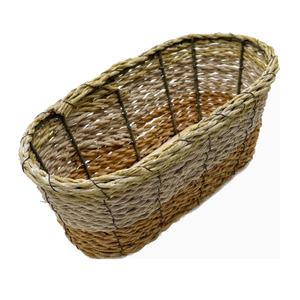
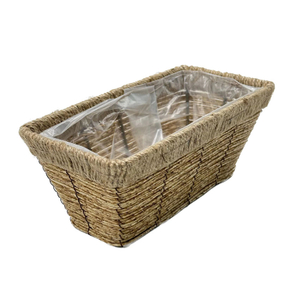
- Seagrass vases showcase more varied and textured weaving patterns, often combined with metal frames for support. Their natural, organic look is perfect for boho, coastal, or rustic decor themes. The subtle variations in color and texture of seagrass create a relaxed, earthy vibe that enhances natural decor schemes.
- Rattan Woven Vases: Due to their sturdiness, rattan vases can be used as statement pieces on shelves, side tables, or entryways. They pair beautifully with dried pampas grass, eucalyptus, or faux flowers. Their durability also allows for occasional outdoor placement in covered patios or sunrooms.
- Seagrass Woven Vases: These vases add texture and softness to spaces like living rooms, bedrooms, or bathrooms. They complement coastal or bohemian styles and work well with dried wildflowers, cotton stems, or soft-colored faux plants. Because they are lightweight, seagrass vases can be easily moved to refresh decor.
- Keep both rattan and seagrass vases away from direct sunlight to prevent fading and brittleness.
- Store in dry, well-ventilated areas to avoid mold and mildew growth.
- Clean gently with a dry or slightly damp cloth; avoid soaking or harsh chemicals.
- Use vases primarily for dried or faux flowers to prevent water damage.
- For rattan, consider periodic oiling or treatment to protect against pests.
- Avoid placing either vase on damp surfaces or in humid bathrooms for prolonged periods.
- If mold appears, gently wipe with a mild vinegar solution and dry thoroughly.
Both rattan and seagrass are renewable resources harvested primarily by hand, supporting traditional craftsmanship and local economies. Their biodegradability makes them excellent alternatives to plastic or synthetic decor. However, sustainable harvesting practices are crucial to prevent overexploitation. Choosing products certified or sourced responsibly ensures that your decorative vase not only beautifies your home but also aligns with eco-conscious values.
Both rattan woven vases and seagrass woven vases offer unique natural beauty and eco-friendly appeal for home decor. Rattan vases stand out for their sturdiness, strength, and sleek aesthetic but require more maintenance and pest protection. Seagrass vases impress with their flexibility, lightweight nature, and textured designs, though they need additional support and are more vulnerable to moisture damage. Your choice depends on your decor style, intended use, and willingness to maintain the vase. For durability and modern looks, rattan is ideal; for organic texture and coastal vibes, seagrass is the better option.

Rattan vases are made from rigid palm canes that are stronger and more durable, while seagrass vases use softer, pliable grass stems that allow more intricate weaving but require additional support for sturdiness.
Neither rattan nor seagrass woven vases are typically watertight. They are best suited for dried or artificial flowers unless lined with a waterproof container.
Rattan, when properly treated or sealed, can be used in covered outdoor areas. Seagrass is more sensitive to moisture and is generally recommended for indoor use only.
Keep them away from direct sunlight and moisture, clean with a dry or slightly damp cloth, and store in a dry, ventilated space to prevent mold and brittleness.
Yes, both are natural, biodegradable, and sustainably harvested materials, making them eco-friendly choices for home decor.