Views: 222 Author: Tomorrow Publish Time: 2025-02-07 Origin: Site


Content Menu
● The Origins and Ancient History of Baskets
● Cultural Identity and Artistry
● Social and Economic Importance
● Baskets in Native American Culture
● A Tisket, A Tasket: The Nursery Rhyme's Enduring Appeal
● Ella Fitzgerald and the Song's Enduring Popularity
● The Versatility of Baskets Today
● FAQ
>> 1. What is the origin of basket weaving?
>> 2. What are the primary techniques used in basket weaving?
>> 3. How have baskets been used in Native American cultures?
>> 4. What does the nursery rhyme "A-Tisket, A-Tasket" signify?
>> 5. Why are baskets still relevant today?
The phrase "A-Tisket, A-Tasket" is instantly recognizable, evoking childhood memories of a classic nursery rhyme and a hit song by Ella Fitzgerald[1]. While the tune is lighthearted and catchy, a closer look reveals a deeper appreciation for the cultural and historical significance of the humble basket. This article explores the multifaceted importance of baskets, tracing their origins, cultural relevance, and practical applications across various societies. From ancient Egypt to Native American traditions, and through the whimsical lyrics of a children's song, we will uncover why baskets have been—and continue to be—such an integral part of human civilization. The phrase "a tisket a tasket a will in a wicker basket" encapsulates the blend of whimsy and practicality associated with baskets, hinting at stories, traditions, and perhaps even secrets held within their woven confines.
Baskets have been around since the dawn of civilization, predating even pottery[5]. Evidence suggests that the earliest known baskets were crafted in Egypt, where they were discovered among ancient artifacts buried with pharaohs[5]. The durability of wicker made it useful for funereal purposes, such as in mummification[5].
Wicker baskets are thought to have been produced throughout the Middle East, Africa, and Asia because of the abundance of natural resources suitable for making sturdy wicker baskets in these areas[5].
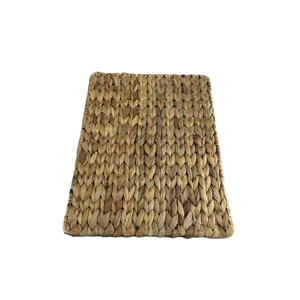
Basket weaving is an art that combines function and form. Plain weaving, coiling, and plaiting are the three basic methods[4]. Plain weaving is similar to fabric weaving in that it involves a warp (strong foundation threads) and a weft (lighter threads woven across the warp)[4]. Coiling uses a single foundation strand, such as a vine or a bundle of pine needles, that is coiled into a spiral and sewn together[4]. Plaiting involves braiding materials together[4].
Baskets possess considerable cultural and artistic value beyond their practical uses[2]. They frequently reflect the distinct customs, beliefs, and aesthetic sensibilities of a particular society[2]. The weaving methods, materials, and patterns used in baskets can have profound symbolic meaning and serve as a form of cultural expression[2].
For example, Native American tribes pass down stories, myths, and spiritual knowledge through baskets[2][8]. The elaborate patterns and symbols woven into the baskets communicate important cultural lessons and beliefs, transforming them into potent artifacts that honor cultural heritage[2][8].
Baskets have significantly influenced the social and economic structures of many societies[2]. Basket weaving is a specialized craft in some regions, passed down through generations and providing families with income[2]. The knowledge and abilities involved in basket weaving are highly valued, fostering community cohesion and pride[2].
Communities with exceptional basket-weaving techniques have frequently traded their creations with neighboring communities or even across long distances[2]. This has not only facilitated the exchange of goods and ideas but has also resulted in cultural cross-pollination, as different societies learn from and incorporate each other's weaving techniques and designs[2].
Basket weaving is one of the oldest crafts in Native American cultures, with each tribe employing specific methods and materials to create their woven baskets[8]. Baskets played a crucial role in the lives of Native American people, serving as indispensable items for various purposes[8]. They were used to carry water, clothing, food, and other necessities[8].
Each tribe used materials native to their area to weave their baskets[8]. Northeastern Indian baskets are made from pounded ash splints or braided sweetgrass, while Southeastern Indians used bundled pine needles or rivercane wicker[8]. Southwestern Indians made baskets from tightly coiled sumac or willow, and Northwest Coast Indians wove their baskets with cedar bark, swamp grass, and spruce root[8]. Northern Indians crafted birchbark and whale baleen baskets[8].

"A Tisket, A Tasket" is more than just a children's rhyme; it's a cultural artifact that has been passed down through generations. The song tells a simple story of a child who loses a wicker basket and the subsequent search for its replacement. The rhyme's catchy melody and playful lyrics have made it a favorite among children, while its underlying themes of loss, discovery, and social interaction resonate with audiences of all ages.
Ella Fitzgerald's 1938 rendition of "A-Tisket, A-Tasket," co-written with Al Feldman (Van Alexander), propelled the nursery rhyme into mainstream popularity[1]. Fitzgerald's version transformed the simple rhyme into a swing classic, showcasing her vocal prowess and cementing the song's place in American musical history. The song's success further popularized the image of the basket, linking it to themes of love, loss, and discovery.
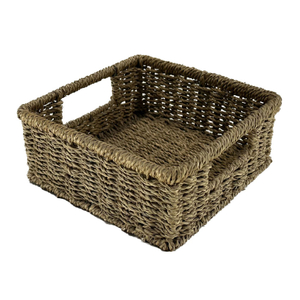
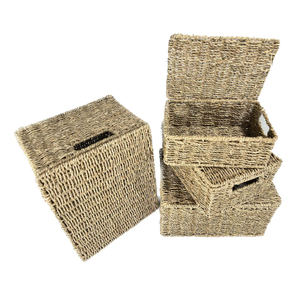
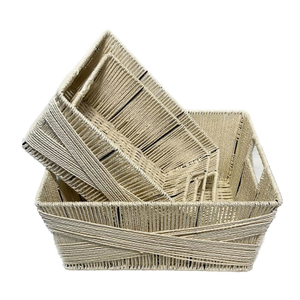
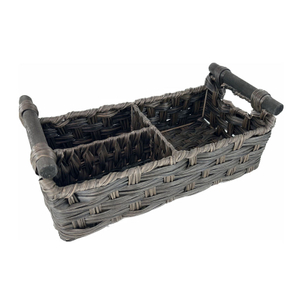
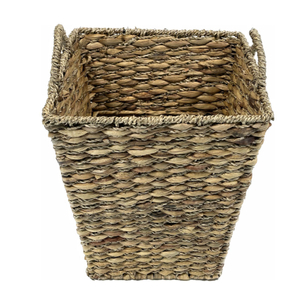
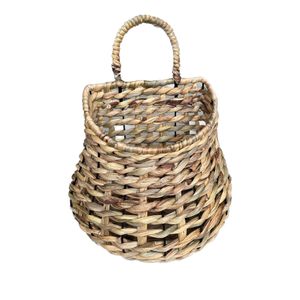
Even in the modern era, baskets remain versatile and valuable[7]. They are used for storage, decoration, and organization in homes around the world[7]. Baskets are also employed in agriculture, transportation, and various crafts[8]. Their enduring popularity demonstrates their adaptability and timeless appeal.
From their ancient origins to their presence in modern homes and popular culture, baskets have played a significant role in human civilization. Whether as practical tools, cultural symbols, or artistic expressions, baskets reflect the ingenuity, resourcefulness, and traditions of societies worldwide. The nursery rhyme "A-Tisket, A-Tasket" and Ella Fitzgerald's iconic song serve as reminders of the basket's enduring charm and significance. "A tisket a tasket a will in a wicker basket" encapsulates the idea that within these woven containers lie stories, inheritances, and legacies.

Basket weaving dates back to ancient times, predating pottery. The earliest evidence of basketry comes from Egypt, where baskets were found among artifacts buried with pharaohs[5].
The main techniques include plain weaving, coiling, and plaiting. Plain weaving is similar to fabric weaving, coiling involves spiraling a foundation strand, and plaiting consists of braiding materials together[4].
In Native American cultures, baskets have been essential for carrying water, food, and other necessities[8]. They also hold cultural and spiritual significance, with different tribes using unique materials and patterns to create baskets that tell stories and represent their heritage[2][8].
The nursery rhyme "A-Tisket, A-Tasket" reflects the everyday presence and cultural significance of baskets. It evokes a sense of playfulness and simple joys, with the basket serving as a central image[1].
Baskets remain versatile and valuable in the modern era, used for storage, decoration, organization, agriculture, transportation, and various crafts[7][8]. Their enduring popularity demonstrates their adaptability and timeless appeal.
[1] https://en.wikipedia.org/wiki/A-Tisket,_A-Tasket
[2] https://www.lavida.com.au/homewares/woven-wonders-exploring-the-popularity-of-baskets/812/1
[3] https://www.purpleculture.net/answer-key-for-new-practical-chinese-reader-3-workbook-article-11/
[4] https://folkworks.org/article/a-tisket-a-tasket-the-world-is-full-of-baskets/
[5] https://wovenhill.co.uk/blogs/news/the-history-of-the-wicker-basket
[6] https://www.cambridgeinternational.org/Images/520575-june-2022-examiner-report.pdf
[7] https://www.myswankyhome.com/post/a-tisket-a-tasket-what-you-need-to-know-about-baskets
[8] https://blog.kachinahouse.com/basket-weavings-importance-in-native-american-culture/
[9] https://basketly.co/blogs/news/weaving-through-time-the-fascinating-evolution-of-basketry-across-cultures