Views: 222 Author: Tomorrow Publish Time: 2025-03-08 Origin: Site


Content Menu
● Introduction to Wicker Baskets
>> Materials Used in Wicker Baskets
● Identifying Vintage Wicker Baskets
● Maintaining and Cleaning Wicker Baskets
● Regional Styles of Wicker Baskets
● Collecting and Displaying Wicker Baskets
● FAQs
>> 1. How do I identify the materials used in a wicker basket?
>> 2. What are the common signs of aging in wicker baskets?
>> 3. Can I use water to clean a wicker basket?
>> 4. How often should I clean my wicker baskets?
>> 5. What should I do if my wicker basket becomes moldy?
Dating wicker baskets can be a fascinating and rewarding process, especially for collectors and enthusiasts. Wicker baskets have been crafted for centuries, using a variety of materials and techniques that can provide clues about their age and origin. In this article, we will explore the methods and tips for identifying and dating wicker baskets, including examining materials, weaving techniques, and other distinctive features.
Wicker baskets are made from woven organic materials such as cane, rattan, willow, straw, and bamboo. These materials have been used for centuries to create both functional and decorative items. The craftsmanship involved in making wicker baskets can vary significantly depending on the region and era in which they were produced.
Early wicker baskets were typically made from natural plant materials. The introduction of synthetic wicker in the late 19th century marked a significant change in the materials used for wicker furniture and baskets. Vintage pieces are often made from natural cane-like materials rather than modern synthetic wicker.
Identifying vintage wicker baskets involves examining several key factors:
1. Materials: As mentioned, vintage wicker is typically made from natural materials like cane, rattan, or willow.
2. Weaving Technique: The weaving technique used can indicate the age of the basket. Older baskets often have more intricate or traditional patterns.
3. Style: The style of the basket, including its shape and design, can provide clues about its origin and age.
4. Maker's Marks: Some vintage baskets may have maker's marks or signatures that can help identify the craftsman or region.
Dating wicker baskets requires a careful examination of their construction and condition. Here are some key factors to consider:
Older baskets often develop a patina over time, which is a sign of aging. Look for signs of wear, such as cracks or fading, which can indicate age.
Quality baskets often have reinforced areas, such as additional weaving or stitching, which can be a sign of craftsmanship and age.
Solid or carved wood handles are common in older baskets. The type of fasteners used, such as nails or pegs, can also provide clues about the age.
Some baskets may be signed and dated on the bottom, which can directly indicate their age.
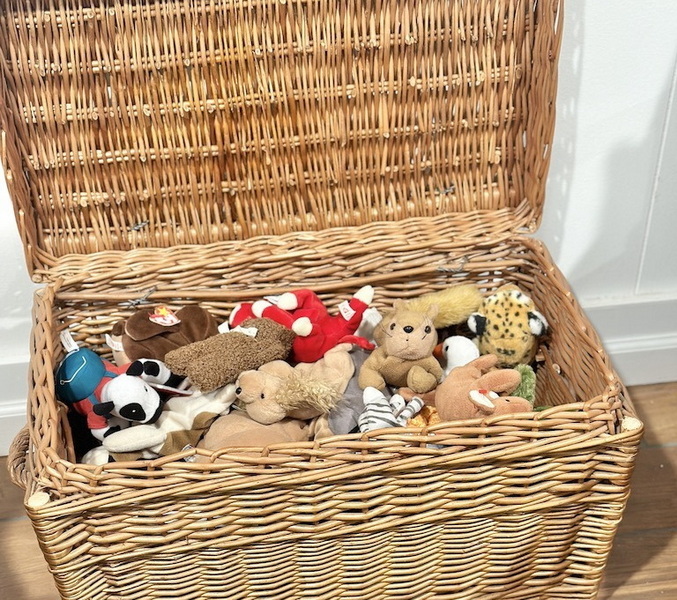
To ensure that your wicker baskets remain in good condition, regular maintenance is essential. Here are some tips:
1. Dusting: Regularly dust your wicker baskets using a soft cloth or feather duster.
2. Cleaning: Use a damp cloth to wipe down the baskets, but avoid soaking them.
3. Protective Coatings: Apply a light coat of protective oil or specialized wicker spray to maintain moisture and enhance longevity.
Wicker baskets from different regions often have unique styles and characteristics. For example:
- European Baskets: Often made from willow or oak, these baskets are known for their sturdy construction and traditional designs.
- Asian Baskets: Typically crafted from bamboo or rattan, these baskets often feature intricate patterns and designs.
- African Baskets: Known for their vibrant colors and geometric patterns, African baskets are often made from grasses or reeds.
Collecting wicker baskets can be a rewarding hobby, and displaying them in your home can add a touch of elegance and history. Here are some tips for displaying your collection:
1. Group Similar Baskets: Grouping baskets by style or region can create a visually appealing display.
2. Use Them Functionally: Consider using your wicker baskets for storage or as decorative containers.
3. Highlight Unique Pieces: Showcase rare or unique baskets in a prominent location to draw attention to their craftsmanship.
Dating wicker baskets involves a combination of examining materials, weaving techniques, and other distinctive features. By understanding these factors, collectors and enthusiasts can better appreciate the craftsmanship and history behind these beautiful and functional items. Whether you are a seasoned collector or just starting your journey, wicker baskets offer a fascinating glimpse into the past and a way to bring timeless elegance into your home.
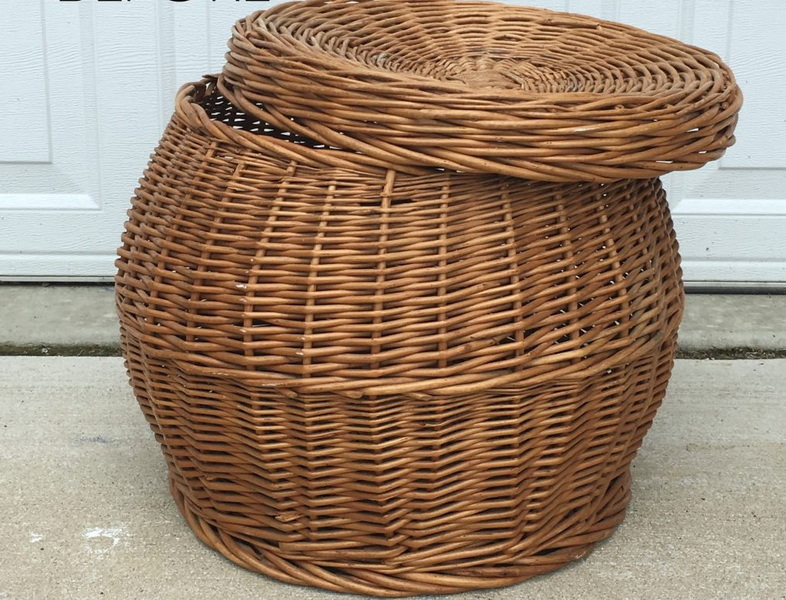
To identify the materials used in a wicker basket, look for natural fibers like cane, rattan, or willow. Vintage baskets are typically made from these natural materials rather than synthetic wicker.
Common signs of aging include patina, wear, and reinforced areas. Older baskets may also have solid or carved wood handles and traditional fasteners.
Yes, you can use water to clean a wicker basket, but it should be applied judiciously. Avoid soaking the basket and ensure it is thoroughly dried afterward to prevent damage.
The frequency of cleaning depends on usage and environmental factors. A monthly or quarterly cleaning routine is recommended to keep your wicker baskets looking their best.
If your wicker basket becomes moldy, mix a solution of vinegar or mild bleach with water and gently scrub the affected areas with a soft cloth. Ensure the basket is thoroughly dried afterward to prevent further mold growth.
[1] https://www.jdsauctions.com/04/baskets-how-to-identify-antique-quality-handmade-baskets/
[2] https://arterahome.com/blogs/all/how-to-clean-wicker-baskets-the-ultimate-guide
[3] https://www.sohu.com/a/230379066_290050
[4] https://mojoboutique.com/blogs/seating-furniture/how-to-identify-vintage-wicker-furniture
[5] https://www.traditionalfisherman.com/viewtopic.php?t=33842
[6] https://www.bbc.com/learningenglish/chinese/features/q-and-a/ep-200318
[7] https://adirondackgirlatheart.com/identify-value-antique-baskets/
[8] https://www.wickerwoman.com/articles/basket-care