Views: 222 Author: Tomorrow Publish Time: 2025-02-14 Origin: Site


Content Menu
● Adding Decorative Elements (Optional)
● Maintenance Tips for Your Garlic Basket
● Creative Uses Beyond Garlic Storage
● FAQ
>> 1. What type of rattan is best for weaving baskets?
>> 2. How long does it take to weave a garlic basket?
>> 3. Can I use other materials besides rattan?
>> 4. How do I care for my garlic basket?
>> 5. Where can I find more advanced weaving techniques?
Creating a garlic basket is a rewarding craft that combines traditional techniques with practical functionality. This guide will take you through the entire process of weaving a garlic basket, from gathering materials to finishing touches. We will also include images and videos to enhance your understanding of each step.
Before starting, gather the following materials:
- Rattan Reed: This is the primary material for weaving.
- Scissors: For cutting the reed to the desired lengths.
- Measuring Tape: To measure your materials accurately.
- Water Bucket: To soak the rattan reed and make it pliable.
- Clothespins or Clips: To hold your work in place while weaving.
- Natural Oil (Optional): For sealing and protecting your finished basket.
- Decorative Elements (Optional): Such as colorful ribbons or twine for embellishment.
1. Measure and Cut: Cut your rattan reed into lengths of about 36 inches. You will need approximately 15-20 pieces for a standard garlic basket. Make sure to cut them evenly for a uniform look.
2. Soak: Place the cut reeds in a bucket of water for at least 30 minutes. This will soften them, making them easier to weave. If you live in a dry climate, you may want to soak them longer to ensure they are adequately pliable.
When selecting rattan, look for high-quality, flexible reeds that are free from cracks and blemishes. The color can vary from light tan to dark brown; both can create beautiful baskets. If you're interested in adding color to your basket, consider using dyed rattan or incorporating colored twine during the weaving process.
1. Select Four Long Pieces: These will serve as the spokes of your basket. Choose thicker pieces for added strength.
2. Arrange in a Cross Shape: Lay two pieces horizontally and two vertically, overlapping them in the center. This cross shape will provide stability as you begin weaving.
3. Secure with Clips: Use clothespins to hold the spokes in place. This allows you to focus on weaving without worrying about your base falling apart.
1. Take a Shorter Piece of Rattan: Start weaving it around the spokes, going over one spoke and under another, creating a pattern. The first few rounds can be tricky; take your time to ensure they are tight and secure.
2. Continue Weaving: Work your way around, ensuring that each loop is tight and secure. Aim for a uniform tension throughout; this will help maintain the shape of your basket.
As you weave, remember that consistency is key. A well-woven base should be flat and even, allowing for an easy transition into the sides of your basket.
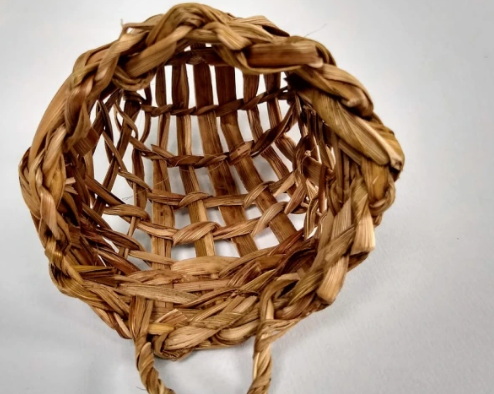
1. Insert New Pieces: As you weave, you may need to add more pieces of rattan. Simply overlap them with existing pieces and continue weaving. When adding new pieces, make sure they are soaked so they blend seamlessly into your work.
2. Maintain Tension: Ensure that your weaving remains tight as you build up the sides of the basket. If you notice any loose areas, gently pull on those sections to tighten them.
1. Gradually Angle the Spokes: As you weave higher, begin to angle the spokes inward to create the shape of your basket. This is where you can start defining how tall and narrow or wide and short you want your garlic basket to be.
2. Continue Until Desired Height: Keep weaving until your basket reaches about 8-10 inches in height or until it meets your personal preference.
- Use a round object (like a bowl) as a guide if you're aiming for a specific shape.
- Occasionally step back and assess your work from different angles; this will help ensure symmetry.
1. Cut Off Excess Spokes: Once you reach your desired height, trim any excess spokes that extend beyond the woven area using scissors.
2. Tuck Ends Inward: Tuck any loose ends of rattan into the weave for a clean finish. This not only improves aesthetics but also prevents snagging when handling your basket.
1. Incorporate Colorful Ribbons or Twine: You can weave in colorful ribbons or twine for added decoration during any stage of weaving.
2. Seal with Natural Oil (Optional): If desired, apply a natural oil (like linseed oil) to protect and enhance the color of your basket after it's finished drying completely.
Once you've completed your garlic basket, it's essential to care for it properly:
1. Keep It Dry: Store it in a dry place away from direct sunlight to prevent fading and cracking.
2. Clean Regularly: Dust off any dirt or debris with a soft cloth or brush; avoid soaking it in water as this can warp its shape.
3. Reapply Oil Annually: If you've used oil on your basket, reapply it once a year to maintain its luster and durability.
While this article focuses on creating a garlic basket, consider other creative uses:
- Herb Basket: Perfect for storing fresh herbs from your garden.
- Craft Supplies Organizer: Use smaller baskets for organizing craft materials like yarn or fabric scraps.
- Decorative Item: Add dried flowers or decorative stones inside for an attractive centerpiece.
Weaving a garlic basket is not just about creating a functional item; it's about engaging with a craft that has been passed down through generations. By following these steps, you can create a beautiful and practical garlic basket that showcases your skills and adds charm to your kitchen.
This craft not only allows you to express creativity but also provides an opportunity to connect with nature through sustainable materials like rattan reed. So gather your materials, roll up your sleeves, and enjoy this fulfilling experience!

The best type of rattan for weaving baskets is natural rattan reed, as it is flexible and durable.
On average, it takes about 2-4 hours to complete a garlic basket, depending on your skill level.
Yes, you can use other materials such as willow or seagrass, but they may require different techniques.
Keep it dry and clean; avoid soaking it in water for extended periods to maintain its shape.
You can find advanced techniques through online tutorials or local crafting workshops focused on basket weaving.
[1] https://sheepyhollow.wordpress.com/2021/01/29/how-to-weave-an-open-twined-garlic-basket-with-joan-carrigan/
[2] https://www.facebook.com/coastaldriftinteriors/videos/this-is-the-start-of-every-garlic-gourd-and-wonkie-basket-base-and-is-second-nat/2295857047327284/
[3] https://www.reddit.com/r/basketry/comments/14kqdvq/i_harvested_garlic_with_the_willow_basket_i_made/
[4] https://www.mypitaya.com/100320.html
[5] https://www.youtube.com/watch?v=xzCHpq8vc6A
[6] https://www.youtube.com/watch?v=BToaighvrLU
[7] https://iphysresearch.github.io/blog/post/writting/writting-in-the-sciences/unit3/
[8] https://janestaffordtextiles.com/product/online-guild-kit-open-weave-garlic-basket/
[9] https://www.53ai.com/news/tishicijiqiao/2024091324715.html
[10] https://www.xiahepublishing.com/2475-7543/MRP-2022-801