Content Menu
● Introduction to Basket Weaving
● Step-by-Step Guide to Weaving a Basket Base
>> Step 1: Prepare Your Materials
>> Randing
>> Pairing
>> Waling
● Cultural Significance of Basket Weaving
● Modern Applications of Basket Weaving
● FAQ
>> 1. What materials are best for basket weaving?
>> 2. How do I keep my basket shape consistent?
>> 3. What is the difference between twining and randing?
>> 4. How do I finish the rim of my basket?
>> 5. Can I use synthetic materials for basket weaving?
Basket weaving is an ancient craft that has been passed down through generations, offering a unique blend of functionality and artistry. Weaving a basket base is the foundational step in creating a sturdy and beautiful basket. In this article, we will explore the techniques and materials needed to weave a basket base, along with step-by-step instructions and visual aids to guide you through the process.
Basket weaving involves using natural or synthetic materials to create a woven container. The craft requires patience, creativity, and practice to master. Whether you're using willow branches, reeds, or other materials, the basic principles of weaving remain the same.
- Base Sticks or Stakes: These are the vertical elements that form the foundation of your basket.
- Weaving Material: This can be reeds, willow branches, or any other flexible material suitable for weaving.
- Measuring Tape or Ruler
- Scissors or Pruning Shears
- Water (for soaking materials)
Before starting, ensure your materials are ready. Soak your weaving material in water to make it pliable. Cut your base sticks to the desired length and split them if necessary. This step is crucial as it determines the size and shape of your basket.
1. Lay Out the Base Sticks: Place your base sticks in a circular pattern, securing them with a small amount of twine or wire if needed. Ensure they are evenly spaced to maintain symmetry.
2. Begin Weaving: Take your first piece of weaving material and loop it around two base sticks. Pass it under the next stick and continue this pattern. This initial loop will set the foundation for your weave.
Continue weaving around the base, maintaining a consistent pattern. You can use techniques like twining or randing, depending on your preference. Twining is often used for more intricate patterns, while randing provides a simpler, yet elegant design.
As you weave, gently push the stakes together to form the shape of your basket. You can adjust the tightness of your weave to achieve the desired shape. For a round basket, ensure that the stakes are evenly spaced and the weave is consistent.
To achieve a more oval or rectangular shape, you may need to adjust the spacing of your stakes and apply more pressure on certain areas.
Once you reach the desired height, fold the ends of your weaving material into the basket to create a neat rim. Secure them with a small stitch or twine. This step completes the basket and adds a professional finish.
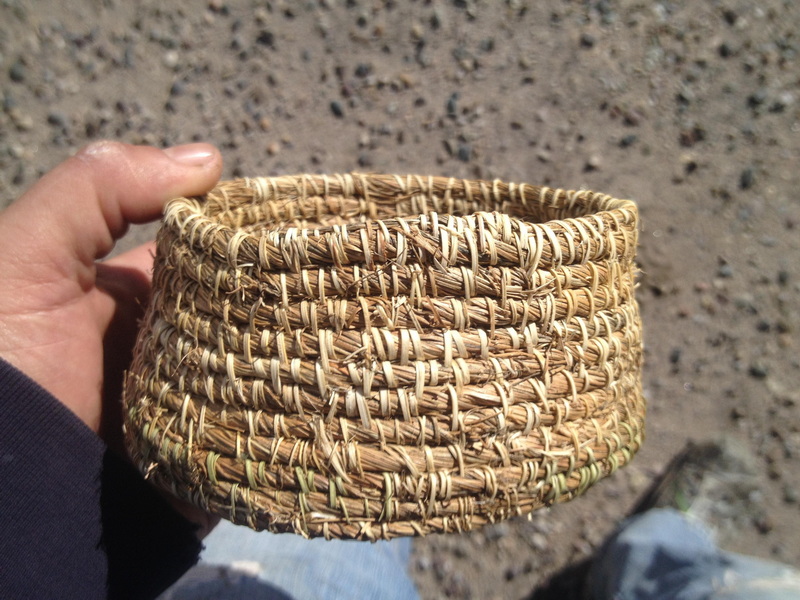
Randing is a technique where a single rod is woven in and out of the uprights. It can be done in English or French styles. Randing is often used for its simplicity and elegance, making it perfect for beginners.
Pairing involves using two rods that weave over and under each other. It's commonly used for round or oval baskets and adds a beautiful texture to the weave.
Waling is a technique that involves weaving three or more rods together. It's often used for the sides of baskets to add strength and stability.
To master waling, consider practicing with different materials and patterns.
- Start Small: Begin with a small basket to get a feel for the materials and techniques.
- Practice Regularly: Consistency is key to improving your weaving skills.
- Experiment with Materials: Try different materials to find what works best for you.
- Inconsistent Weave: Ensure your weave is consistent to maintain the shape and strength of the basket.
- Insufficient Soaking: Make sure your materials are well-soaked to prevent breakage during weaving.
- Incorrect Stakes Placement: Ensure stakes are evenly spaced for a balanced basket.
Basket weaving has cultural and historical significance in many societies. It not only serves as a practical tool but also as a form of artistic expression and storytelling. Different cultures have their unique weaving styles and materials, reflecting their traditions and environments.
Today, basket weaving is not only a traditional craft but also a modern art form. Many artists use basket weaving to create contemporary sculptures and installations. Additionally, eco-friendly and sustainable practices have made basket weaving appealing for those interested in environmentally conscious crafts.
Weaving a basket base is a rewarding process that requires patience and practice. By mastering the basic techniques and experimenting with different materials and styles, you can create beautiful and functional baskets. Whether you're a beginner or an experienced craftsperson, basket weaving offers a creative outlet that connects you with nature and tradition.

The best materials for basket weaving include willow branches, reeds, and other flexible, durable materials. Natural materials are preferred for their aesthetic appeal and durability.
To maintain a consistent shape, gently push the stakes together as you weave. Adjust the tightness of your weave to achieve the desired form.
Twining involves wrapping two or more weavers around the stakes, while randing uses a single rod woven in and out of the uprights. Twining is often used for more intricate patterns, while randing provides a simpler, yet elegant design.
To finish the rim, fold the ends of your weaving material into the basket and secure them with a small stitch or twine. This creates a neat and durable edge.
Yes, synthetic materials can be used for basket weaving, especially if you're looking for durability or specific colors. However, natural materials are often preferred for their traditional appeal and texture.
[1] https://www.youtube.com/watch?v=F5fssON85g4
[2] https://www.youtube.com/watch?v=o_QM95xjf-Q
[3] https://www.gathered.how/arts-crafts/weaving/beginners-guide-to-basket-weaving
[4] https://blog.csdn.net/Angelina_Jolie/article/details/139147709
[5] https://www.youtube.com/watch?v=l4tRWXoxccM
[6] https://www.youtube.com/watch?v=_pJnnoS2AYs
[7] https://www.countryseat.com/faq-weaving-terms.html
[8] https://blog.csdn.net/PolarisRisingWar/article/details/123847954
[9] https://www.textileindie.com/beginners-guide-basket-weaving/
[10] https://www.youtube.com/watch?v=C0W2JCFx2AM
[11] https://www.matttommey.com/basket-weaving-techniques.html