Views: 222 Author: Tomorrow Publish Time: 2025-02-28 Origin: Site


Content Menu
● Introduction to Berber Basket Weaving
>> Step 1: Preparing the Materials
>> Step 2: Braiding the Materials
>> Techniques
>> Patterns
● Preservation and Modernization
● Learning Berber Basket Weaving
>> Workshops
>> 1. What materials are commonly used for Berber baskets?
>> 2. How long does it take to make a Berber basket?
>> 3. What is the cultural significance of Berber baskets?
>> 4. Can I learn to weave a Berber basket on my own?
>> 5. Where can I purchase authentic Berber baskets?
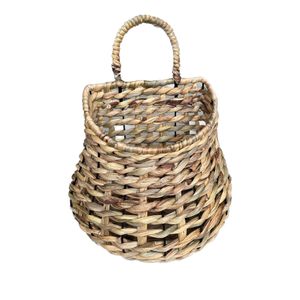
Berber basket weaving is a traditional craft that has been passed down through generations among the indigenous Berber people of North Africa, particularly in Morocco and Tunisia. This art form not only reflects the cultural heritage of the Berber community but also showcases their skill and creativity in using natural materials to create beautiful and functional items. In this article, we will explore the process of weaving Berber baskets, the materials used, and the techniques involved.
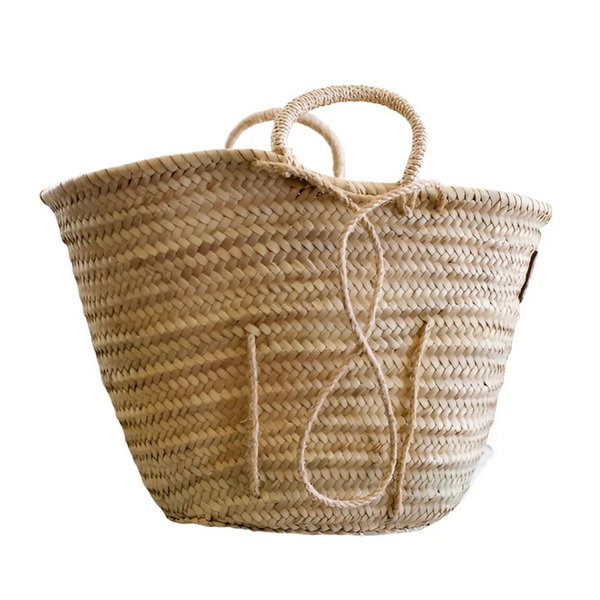
Berber basket weaving is deeply rooted in the cultural traditions of the Berber people. These baskets are made from natural materials such as palm leaves, grasses, reeds, and wool, which are carefully selected and cleaned before being woven into intricate patterns. The process requires great skill and patience, as the weaver must manipulate the materials to create the desired shape and design.
The most common materials used in Berber basket weaving include:
- Palm Leaves: These are often used for their durability and flexibility.
- Grasses: Various types of grasses are used for their texture and color.
- Reeds: Known for their strength and versatility.
- Wool: Sometimes used to add color and texture to the baskets.
The weaving process involves several steps, from preparing the materials to completing the basket.
The first step is to collect and clean the materials. Palm leaves, for example, are carefully selected and cleaned to ensure they are free from dirt and debris. This process is crucial as it affects the quality and durability of the final product.
Once the materials are prepared, they are braided into long strips. This braiding is typically done by men in the family, who pass down their techniques from generation to generation. The braids are made by intertwining the leaves or grasses in a specific pattern, which can vary depending on the desired thickness and texture.
The braided strips are then woven together to form the basket. The weaver must carefully manipulate the strips to create the desired shape and pattern. This step requires great skill and precision, as the weaver must ensure that the basket is sturdy and aesthetically pleasing.

Berber basket weaving involves various techniques and patterns, each with its own significance and beauty.
- Over-Under Weaving: A common technique where the weaver alternates over and under the warp threads.
- Twisting: Some baskets involve twisting the braids to create a more textured look.
- Coiling: This technique involves coiling the braids around a central core to build up the basket.
- Geometric Patterns: Often used to add visual interest and cultural significance.
- Floral Patterns: Sometimes incorporated to reflect nature and beauty.
- Symbolic Patterns: These can represent various aspects of Berber culture and traditions.
Berber baskets are not just functional items but also carry deep cultural significance. They are often used in ceremonies and as gifts, symbolizing hospitality and community. The baskets are also a symbol of the Berber people's connection to their land and heritage.
In recent years, there has been an effort to preserve Berber basket weaving traditions while also modernizing the craft to appeal to a wider audience. This includes using new materials and designs while maintaining the traditional techniques.
Some artisans are experimenting with new materials such as recycled plastic or cotton, which can add durability and sustainability to the baskets.
Modern designs often blend traditional patterns with contemporary styles, making the baskets more appealing to a global market.
For those interested in learning this traditional craft, there are several resources available. Workshops and online tutorials provide step-by-step instructions on how to prepare materials and weave baskets.
Many cultural centers and artisan communities offer workshops where participants can learn directly from experienced Berber weavers.
Videos and blogs provide detailed guides on techniques and patterns, allowing learners to practice at their own pace.
Berber basket weaving is a testament to the creativity and skill of the Berber people. Through this traditional craft, they preserve their cultural heritage while creating beautiful and functional pieces that are cherished around the world.

Berber baskets are typically made from natural materials such as palm leaves, grasses, reeds, and wool. These materials are chosen for their durability and aesthetic appeal.
The time required to make a Berber basket can vary significantly depending on the size and complexity of the design. Generally, it can take several days to complete a small basket.
Berber baskets hold deep cultural significance as they are often used in ceremonies and as gifts, symbolizing hospitality and community. They also reflect the cultural heritage and traditions of the Berber people.
Yes, you can learn to weave a Berber basket on your own with practice and patience. There are many resources available, including videos and tutorials, that can guide you through the process.
Authentic Berber baskets can be purchased from local artisans in Morocco and Tunisia or through reputable online retailers that specialize in traditional crafts.
[1] https://www.youtube.com/watch?v=acNkoWNcLW8
[2] https://www.youtube.com/watch?v=2B8URZ9gDW8
[3] https://majesticdisordertravels.com/journal/berber-baskets
[4] https://blog.csdn.net/Angelina_Jolie/article/details/139147709
[5] https://www.mayala-home.com/blogs/news/discover-the-art-of-berber-basket-making-a-cultural-tradition-with-symbolic-meaning
[6] https://www.youtube.com/watch?v=3Lv5lb9xXc0
[7] https://casavolka.com/the-best-moroccan-berber-baskets-ever-made/
[8] https://blog.csdn.net/u012549626/article/details/127719965
[9] https://www.youtube.com/watch?v=0pF3cVsIKoc
[10] https://www.sohu.com/a/373638051_653124