Views: 222 Author: Tomorrow Publish Time: 2025-07-14 Origin: Site


Content Menu
● What Are Natural Woven Cat Beds?
>> Characteristics of Natural Woven Cat Beds
● What Are Plastic Imitation Cat Beds?
>> Characteristics of Plastic Imitation Cat Beds
● Key Differences Between Natural Woven and Plastic Imitation Cat Beds
● Comfort and Health Considerations
● Additional Considerations: Cost and Availability
● FAQ
>> 1. What makes natural woven cat beds better for the environment?
>> 2. Are plastic imitation cat beds safe for indoor use?
>> 3. How do I maintain a natural woven cat bed?
>> 4. Can plastic imitation cat beds be used outdoors?
>> 5. Which type of cat bed is more comfortable for cats?
Choosing the right cat bed is an important decision for any cat owner who wants to provide comfort, safety, and style for their feline companion. Among the many options available, natural woven cat beds and plastic imitation cat beds stand out as two popular choices. Each has distinct characteristics, advantages, and drawbacks that can influence your decision. This article explores the key differences between these two types of cat beds, focusing on materials, durability, comfort, environmental impact, and aesthetics.
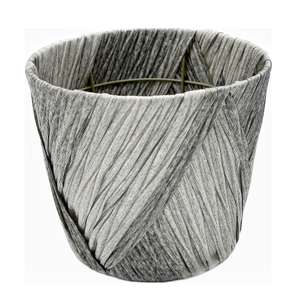
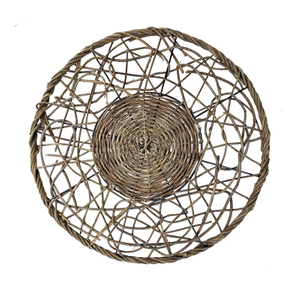
Natural woven cat beds are typically handcrafted from organic materials such as rattan, wicker, bamboo, or seagrass. These beds are made by weaving thin strips of these natural fibers into a sturdy and cozy structure. The craftsmanship often involves traditional techniques that result in unique, artisanal pieces.
- Material: Made from renewable natural fibers like rattan or bamboo, which are biodegradable and eco-friendly.
- Appearance: They have a warm, rustic, and natural aesthetic that blends well with home decor styles such as bohemian, coastal, or cottage themes.
- Comfort: Usually paired with soft cushions made from fabrics like polyester or cotton to enhance comfort.
- Breathability: The woven structure allows good airflow, helping to keep the bed cool and comfortable.
- Durability: While sturdy, natural woven beds require gentle care to prevent damage from moisture or rough handling.
- Maintenance: Typically cleaned by hand washing cushions and wiping down the woven frame; not always suitable for machine washing.
Natural woven cat beds are often prized for their artisanal value. Each piece can vary slightly in texture and color, making every bed unique. This natural variation can appeal to cat owners who appreciate craftsmanship and want a bed that looks like a piece of art in their home. The tactile feel of natural fibers also tends to be more pleasant for cats, who often enjoy kneading and scratching on such surfaces.
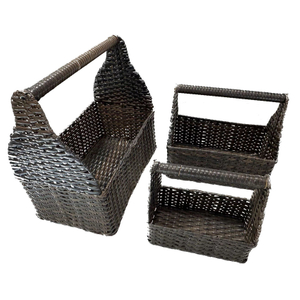
Plastic imitation cat beds are manufactured using synthetic materials designed to mimic the look of natural woven fibers. These beds often use plastic rattan or resin wicker, which are molded or woven to resemble natural textures but offer different properties.
- Material: Made from plastic or resin, which is durable, water-resistant, and easy to clean.
- Appearance: Designed to imitate natural weaving patterns but sometimes lack the authentic warmth and charm of real fibers.
- Comfort: Often come with removable cushions made of synthetic fabrics that are easy to wash.
- Breathability: Plastic weaves can be less breathable than natural fibers, potentially retaining heat.
- Durability: Highly resistant to weather, moisture, and wear, making them suitable for outdoor use.
- Maintenance: Easy to clean with water and mild detergent; cushions are often machine washable.
Plastic imitation beds are often mass-produced, which allows for consistent quality and uniformity in appearance. They are available in a wide range of colors and styles, sometimes even beyond what natural fibers can offer. This versatility can be appealing to pet owners who want a specific color scheme or a modern look that blends with contemporary interiors.
| Feature | Natural Woven Cat Beds | Plastic Imitation Cat Beds |
|---|---|---|
| Material Source | Renewable natural fibers (rattan, bamboo) | Synthetic plastic or resin |
| Environmental Impact | Biodegradable and eco-friendly | Non-biodegradable, made from petroleum-based materials |
| Aesthetic Appeal | Warm, authentic, artisanal look | Imitates natural look but can appear artificial |
| Durability | Requires careful handling, less moisture resistant | Highly durable, weather and moisture resistant |
| Comfort | Breathable, often paired with soft cushions | May retain heat, cushions usually synthetic |
| Maintenance | Hand wash cushions, wipe frame | Easy to clean, cushions often machine washable |
| Suitability | Best for indoor use | Suitable for indoor and outdoor use |
Cats seek comfort and security in their resting places. Natural woven beds provide a breathable environment that helps regulate temperature, which is beneficial for cats sensitive to heat. The natural fibers are less likely to cause allergic reactions compared to some synthetic materials. Additionally, the texture of woven natural fibers can be engaging for cats, offering a tactile experience that satisfies their instinctual behaviors like kneading and scratching.
Plastic imitation beds, while easy to clean and durable, may not offer the same level of breathability. Plastic materials can trap heat, which might make the bed less comfortable in warmer climates or seasons. However, their cushions can be designed to be soft and washable, helping maintain hygiene. For cats with allergies or sensitive skin, the choice of cushion fabric is crucial regardless of the bed frame material. Choosing hypoallergenic cushion materials can help reduce irritation.

Natural woven cat beds are favored by environmentally conscious pet owners due to their sustainable sourcing and biodegradability. Materials like rattan and bamboo grow quickly and can be harvested with minimal environmental disruption. At the end of their lifecycle, these beds decompose naturally without leaving harmful residues. Supporting products made from natural fibers also encourages sustainable farming and traditional craftsmanship, which benefits local communities.
Plastic imitation beds, made from synthetic polymers, contribute to plastic pollution if discarded improperly. Although they last longer and resist weathering, their production relies on fossil fuels, and disposal can be problematic. Some manufacturers use recycled plastics to mitigate this impact, but natural woven beds generally have a lower ecological footprint. Moreover, plastic beds may release microplastics over time, which can have environmental consequences.
Plastic imitation beds excel in durability. They withstand moisture, rough handling, and outdoor conditions without deteriorating. This makes them ideal for pet owners seeking low-maintenance options or those who want to place beds on patios or balconies. Their resistance to mold and mildew is a significant advantage in humid environments.
Natural woven beds require more care. Exposure to water or high humidity can weaken the fibers and cause mold or mildew. They are best kept indoors and handled gently. However, with proper maintenance, they can last for years and retain their beauty. Regular dusting and avoiding direct sunlight can prevent fading and brittleness. Using cushions with removable covers also helps keep the bed clean and fresh.
Natural woven beds add a unique, handcrafted touch to home interiors. Their organic textures complement natural wood furniture and plants, creating a cozy environment for both cats and owners. These beds can serve as decorative elements that enhance the overall aesthetic of a room, making them popular among those who value interior design.
Plastic imitation beds offer versatility in design and color but may lack the warmth of natural fibers. They are often chosen for their practicality rather than aesthetic appeal, though some high-quality plastic weaves come close to mimicking natural textures convincingly. Their modern look suits minimalist or contemporary homes, and the variety of colors allows for customization.
When deciding between natural woven and plastic imitation cat beds, cost and availability can also influence your choice. Natural woven beds often come at a higher price point due to the labor-intensive crafting process and the quality of materials. They may also be less widely available, especially in certain regions.
Plastic imitation beds tend to be more affordable and are widely available in pet stores and online. Their mass production allows for competitive pricing and frequent sales or discounts. However, investing in a natural woven bed can be worthwhile for those who prioritize sustainability and aesthetics.
The choice between natural woven cat beds and plastic imitation cat beds depends on your priorities as a cat owner. If you value eco-friendliness, authentic craftsmanship, and a warm aesthetic, natural woven beds are an excellent choice, especially for indoor use. On the other hand, if durability, ease of cleaning, and outdoor suitability are your main concerns, plastic imitation beds provide practical benefits.
Both types can offer comfort and style to your cat's resting space, but understanding their differences helps you make a well-informed decision that suits your lifestyle, your home, and your pet's needs. Consider factors such as environmental impact, maintenance, durability, and your cat's preferences to select the best bed that will keep your feline friend happy and cozy.

Natural woven cat beds use renewable, biodegradable materials like rattan and bamboo, which decompose naturally and have a lower carbon footprint compared to plastic beds made from petroleum-based materials.
Yes, plastic imitation cat beds are safe for indoor use. They are lightweight, easy to clean, and resistant to moisture, making them practical for many households.
To maintain a natural woven cat bed, keep it dry, avoid exposure to excessive moisture, clean cushions regularly, and wipe the woven frame gently with a dry or slightly damp cloth.
Yes, plastic imitation cat beds are often designed to withstand outdoor conditions such as rain and sun, making them suitable for patios, balconies, or gardens.
Comfort depends on the cushion and design rather than just the frame. Natural woven beds offer breathability, which some cats prefer, while plastic beds can be equally comfortable if paired with soft, washable cushions.