Views: 222 Author: Linda Publish Time: 2026-06-04 Origin: Site


Content Menu
● What makes natural‑fiber clothing especially vulnerable?
● Shelf closet baskets: the natural‑fiber‑friendly option
>> How breathable baskets protect natural fibers
>> When shelf closet baskets work best
● Clear plastic bins: strength and weakness for natural fibers
>> Why plastic bins can harm natural fibers
>> When clear plastic bins are acceptable
● Direct comparison: basket vs plastic bin for natural fibers
● How to optimize each storage system for 2026
>> Upgrading shelf closet baskets for moth‑free storage
>> Making plastic bins safer for natural fibers
>> Industry‑insider insight: why woven materials outperform plastic
● Actionable checklist: what to buy for your natural‑fiber wardrobe
● Frequently asked questions (FAQ)
If you own natural‑fiber clothing made from wool, cotton, linen, silk, or plant‑based blends, the choice between shelf closet baskets and clear plastic bins is not just about organization—it can directly affect how long your garments stay intact, odor‑free, and moth‑free. As a 22‑year‑old Chinese manufacturer of handwoven storage baskets (HNL Co., Ltd.), we see this trade‑off every day: breathable, texture‑rich woven baskets versus air‑tight, transparent plastic totes.
In this expert comparison, you'll get a practitioner‑grade, data‑backed analysis of how each option performs for natural‑fiber protection, plus concrete steps you can take to optimize your wardrobe in 2026.
Natural fibers—like cotton, wool, linen, and silk—are hygroscopic, breathable, and biodegradable, which means they:
- Absorb and release moisture, which can trap damp and odors if ventilation is poor.
- Attract moths, carpet beetles, and silverfish that feed on organic residues (sweat, skin cells, food stains).
- Fade or weaken under prolonged UV exposure or tight wrapping in non‑breathable plastics.
Industry experts in textile conservation now emphasize that the container's microclimate is as important as the garment's care label. [hayden-hill]
Key takeaway: For natural fibers, breathability and pest control are more critical than "air‑tightness" alone.
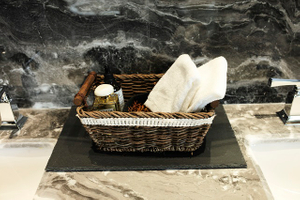
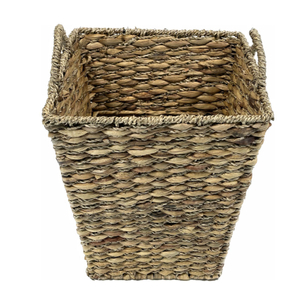
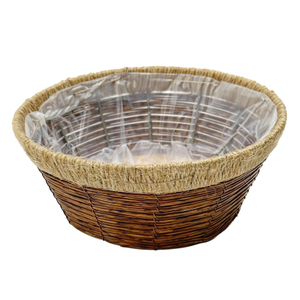
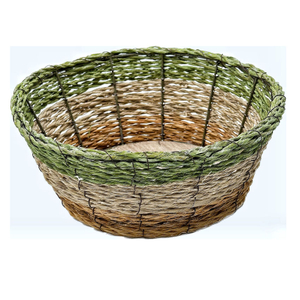
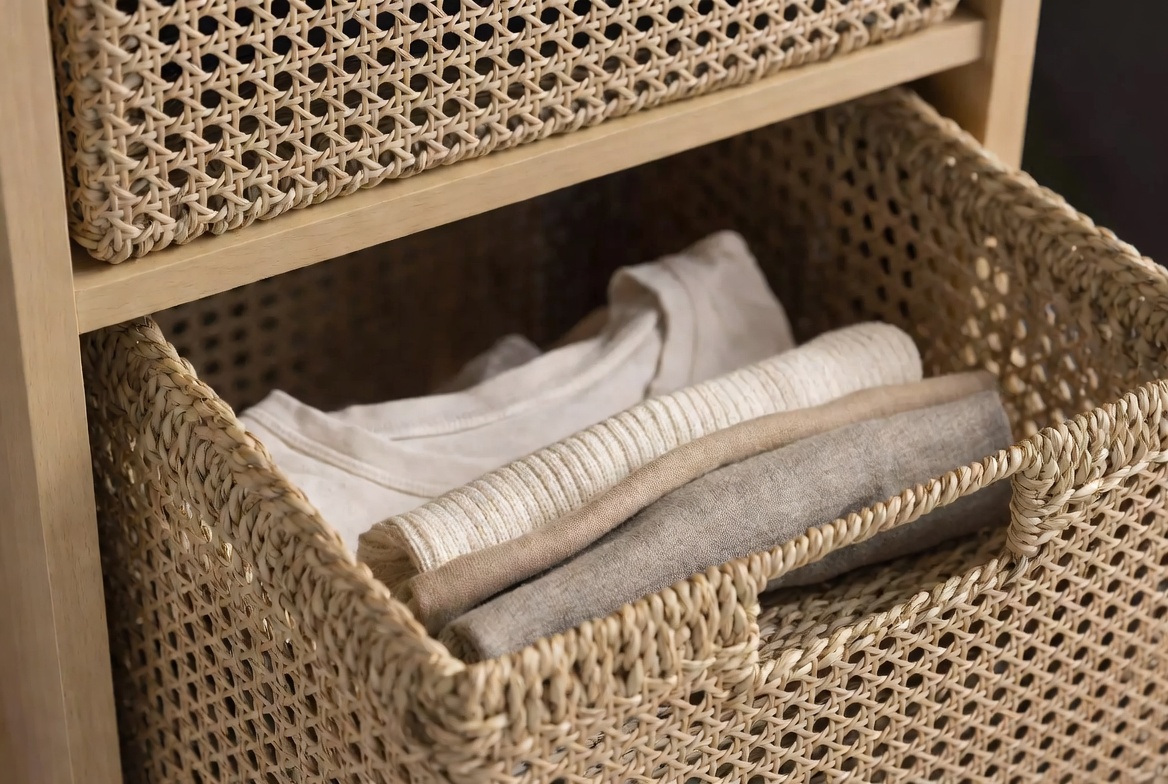
When you see shelf closet baskets made from seagrass, water hyacinth,藤 (rattan), bamboo, fern, or handmade paper rope, you're essentially choosing a micro‑ventilated storage system rather than a sealed box.
- Air circulation reduces mold and mildew
Unlike sealed plastic, loosely woven baskets allow slow air exchange, which helps prevent static‑rich, anaerobic microclimates that accelerate yellowing and sour smells in wool and cotton. [broview]
- Lower risk of chemical outgassing
Many low‑quality plastic bins emit plasticizers and volatile organic compounds (VOCs) over time, which can stain or weaken delicate fabrics. Natural‑fiber baskets avoid this risk entirely. [shopping.yahoo]
- Better for long‑term, visible storage
Open or semi‑lidded baskets make it easy to regularly rotate and inspect your clothes, which is a core recommendation from textile conservators. [theorganizedyou]
- Off‑season wool, cashmere, or linen knits folded inside a lined basket.
- Everyday cotton shirts, t‑shirts, and pajamas stored on open shelves.
- Sustainable, minimalist wardrobes where aesthetics and breathability matter more than "air‑tight" sealing.
Pro tip: Pair woven baskets with acid‑free tissue paper and natural pest repellents (cedar blocks, lavender sachets) to close the protection gap that plastic bins try to fill. [containerstore]
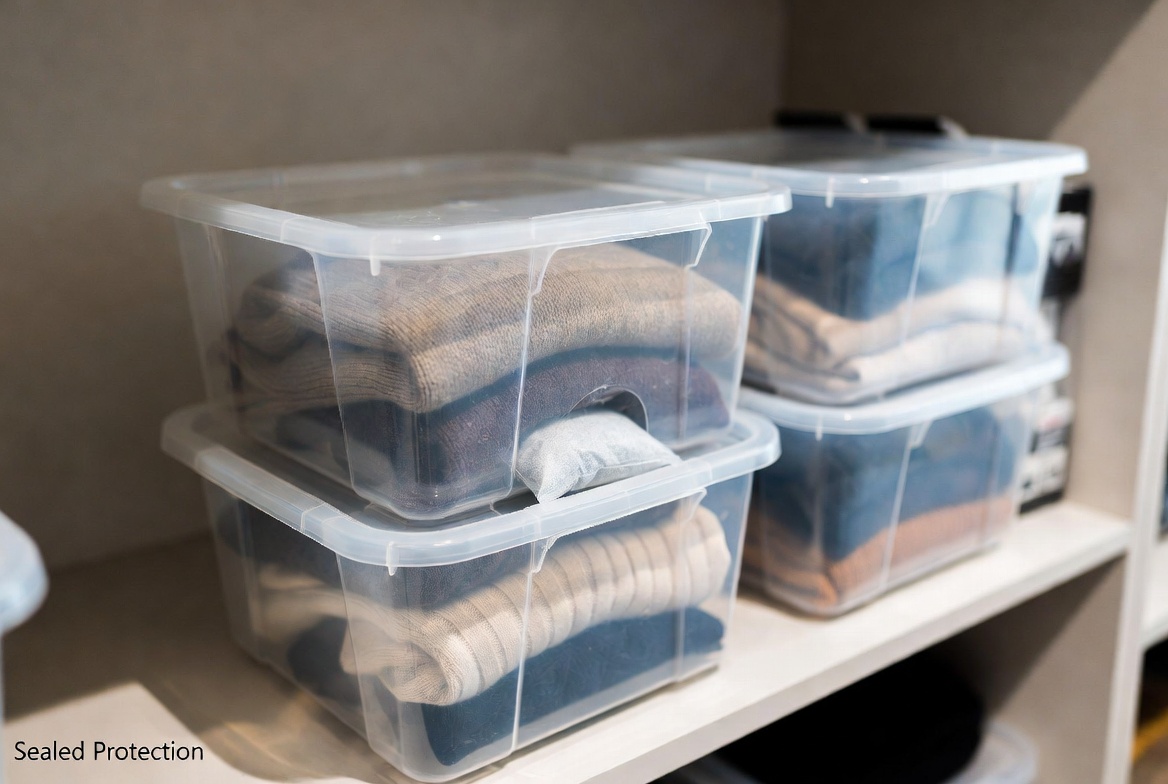
Clear plastic bins dominate the home‑organization market because they are durable, waterproof, and visually tidy. However, for natural‑fiber clothing, they introduce new trade‑offs.
- Trapped humidity and static
If garments are not fully dry before sealing, plastic bins can trap moisture and condensation, creating a perfect environment for mold, mildew, and odor. [nytimes]
- Chemical degradation over time
Some PVC‑based or low‑quality plastic may release plasticizers that turn sticky or oily, leaving residues on fabrics. Experts recommend avoiding PVC in direct contact with clothing. [nytimes]
- Over‑protection that suffocates fibers
While "air‑tight" sealing can keep pests out, it also blocks any air circulation, which can make wool and silk feel flat, musty, and prone to static. [lifetips.alibaba]
- Short‑term storage in damp environments (e.g., basements, garages) where waterproofness trumps breathability.
- Seasonal items that will be unpacked and "aired" within a few months.
- Travel‑oriented storage, where you need to stack and protect against dust and splashes.
Pro tip: If you must use plastic, choose BPA‑free, food‑grade polypropylene (PP) bins with no air holes, and leave lids slightly ajar to allow micro‑ventilation. [birchtreeorganizing]
| Factor | Shelf Closet Baskets (Natural Fiber) | Clear Plastic Bins |
|---|---|---|
| Breathability | High; allows continuous air circulation. (lifetips.alibaba) | Low; air exchange only at lid edges. (hayden-hill) |
| Moisture management | Better at preventing mustiness in climate‑controlled rooms. (lifetips.alibaba) | Risk of trapped condensation if not fully dry. (hayden-hill) |
| Pest protection | Moderate; improves with natural repellents and regular inspection. (hayden-hill) | High if sealed tightly and kept clean. (facebook) |
| UV / light exposure | Dependent on basket design; open‑style exposes more to light. (checkpointsystems) | Can be opaque; clear sides allow visibility. (nytimes) |
| Chemical safety | None; no outgassing risk. (shopping.yahoo) | May have VOCs over time, especially low‑grade PVC. (nytimes) |
| Aesthetic & UX | Warmer, textured look; integrates with natural‑fiber wardrobes. (thegoodtrade) | Modern, stackable, "minimalist" but clinical. (nytimes) |
As a hand‑woven product manufacturer, we recommend the following three‑layer strategy for natural‑fiber‑friendly baskets:
1. Liner system
Insert light cotton or muslin liners inside woven baskets to prevent loose fibers or debris from scratching fabrics. [aliexpress]
2. Natural pest duo
Place cedar blocks and lavender sachets at the bottom so they diffuse slowly through the basket. [hayden-hill]
3. Climate‑controlled zones
Store baskets in cool, dark, low‑humidity closets—ideally with a small dehumidifier in humid regions. [sourcing.hktdc]
If your space demands plastic bins, follow this 2026‑proof protocol:
1. Pre‑condition garments
Ensure every item is fully dry and freshly laundered before sealing. [hayden-hill]
2. Use breathable inner bags
Place clothes inside cotton or Tyvek garment bags before putting them in plastic bins. [reddit]
3. Partial ventilation
Leave lids slightly open or use bins with small vapor‑release vents to avoid an oxygen‑starved environment. [lifetips.alibaba]
Recent materials‑science research on woven structures shows that traditional basket weaving creates containers that are both stiff and resilient, often matching or exceeding the load‑bearing capacity of solid plastic bins without becoming brittle. [theconversation]
From a textile‑care standpoint, that resilience translates into gentler handling of folded garments, because the basket "gives" slightly under load instead of rigidly compressing delicate fibers. [theconversation]
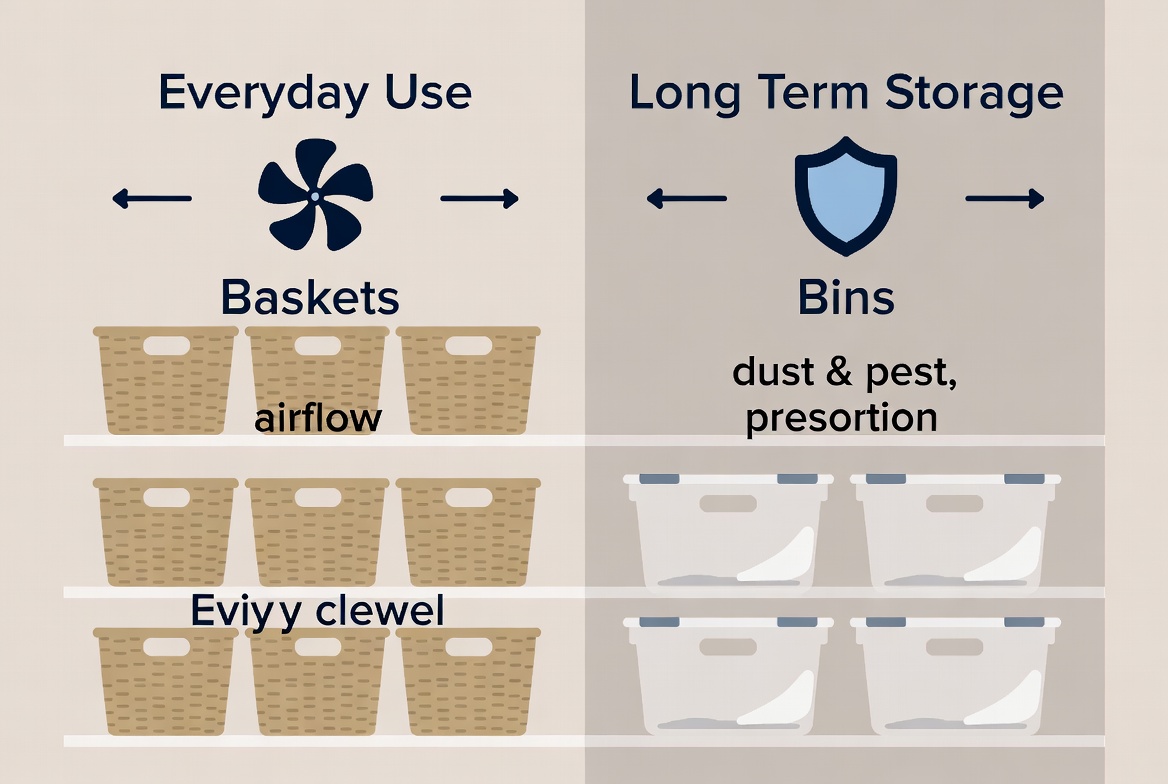
Use this checklist to decide which storage solution fits your situation:
- Choose shelf closet baskets if you:
- Live in a climate‑controlled, low‑humidity home.
- Rotate your wardrobe frequently.
- Want visually warm, sustainable storage that matches natural‑fiber aesthetics. [thegoodtrade]
- Choose clear plastic bins if you:
- Store items in damp basements, garages, or vacation homes.
- Need maximum dust and moisture protection for short‑term storage.
- Prefer stackable, modular systems for tight spaces. [nytimes]
Pro insight: In practice, many professional organizers combine both systems—using baskets for seasonally accessed natural fibers and plastic bins for less‑frequently used backups. [theorganizedyou]
If you're a brand, retailer, or designer building a sustainable wardrobe system, why not consider custom‑woven shelf closet baskets made from natural seagrass, water hyacinth, bamboo, or paper rope? At HNL Co., Ltd., our 22‑year‑old hand‑weaving factory can produce breathable, UV‑resistant, and aesthetically refined storage solutions that align with 2026's demand for eco‑friendly, transparently sourced textiles. [en.interfiliere-shanghai]
Contact us for a custom quote on hand‑woven shelf baskets that enhance both the protection and presentation of your natural‑fiber clothing line.
1. Q: Are shelf closet baskets better than plastic bins for wool sweaters?
A: Yes, for climate‑controlled homes, breathable woven baskets are generally better because they reduce moisture buildup and static. Add cedar blocks and lavender sachets for pest protection. [containerstore]
2. Q: Can I use clear plastic bins for long‑term storage of silk and linen?
A: Only if the garments are completely dry, stored in cotton bags, and the bin is kept in a cool, dry closet. Avoid PVC‑based bins to prevent chemical degradation. [nytimes]
3. Q: Do natural‑fiber baskets protect against moths?
A: Less than sealed plastic bins, but combined with natural repellents and regular inspection, they can be very effective while still allowing fibers to breathe. [containerstore]
4. Q: How often should I air out natural‑fiber clothes in baskets or bins?
A: Experts recommend inspecting and airing every 3–6 months, especially in humid climates. [theorganizedyou]
5. Q: What material is best for hand‑woven storage baskets?
A: Seagrass, water hyacinth, rattan, bamboo, and paper rope are excellent choices: durable, breathable, and biodegradable, with low environmental impact. [linkedin]
1. The Butler's Closet – "Natural vs Synthetic Garment Storage: What Science Says" – https://www.thebutlerscloset.com/blogs/expert-advice-blog/natural-vs-synthetic-garment-storage-materials [thebutlerscloset]
2. The Good Trade – "9 Non Toxic Storage Containers And Baskets (2026)" – https://www.thegoodtrade.com/features/storage-baskets/ [thegoodtrade]
3. The Strategist – "Best Storage Bins and Baskets" – https://nymag.com/strategist/article/best-storage-bins-baskets-boxes-professional-organizers.html [nymag]
4. Broview – "Plastic vs Fabric: Which Storage Bins Are Best for Long‑Term Storage?" – https://broview.net/blogs/news/plastic-vs-fabric-which-storage-bins-are-best-for-long-term-storage [broview]
5. Hayden Hill – "How to Store Natural Fiber Clothing and Keep It Looking Amazing" – https://hayden-hill.com/blogs/journal/how-to-store-natural-fiber-clothing-and-keep-it-looking-amazing [hayden-hill]
6. HNL Basket – "Woven Tray Basket Factory: Crafting Sustainable Storage Solutions" – https://www.hnlbasket.com/woven-tray-basket-factory.html [hnlbasket]
7. Birchtree Organizing – "Choosing The Right Storage Baskets & Bins" – https://birchtreeorganizing.ca/?p=6720 [birchtreeorganizing]
8. The New York Times – "Expert Long‑Term Clothing Storage Tips" – https://www.nytimes.com/wirecutter/reviews/advice-long-term-clothes-storage/ [nytimes]
9. The Organized You – "Best Practices for Off‑Season Clothing Storage" – https://www.theorganizedyou.com/blog/best-practices-for-off-season-clothing [theorganizedyou]
10. Materials Science Study – "Woven baskets aren't just aesthetically pleasing" – https://theconversation.com/woven-baskets-arent-just-aesthetically-pleasing-materials-science-research-finds-theyre-sturdier-and-more-resilient-than-stiff-containers [theconversation]