Views: 222 Author: Tomorrow Publish Time: 2025-02-25 Origin: Site


Content Menu
>> Twining
>> Coiling
● Additional Advanced Techniques
● Common Mistakes Beginners Make
>> 2. Inconsistent Strip Widths
>> 4. Skipping Design Planning
● FAQ
>> 1. What types of yucca plants are best for basket weaving?
>> 2. Can I use dried yucca leaves?
>> 3. How long does it take to weave a tiny yucca basket?
>> 4. Is basket weaving difficult for beginners?
>> 5. Where can I find more resources on basket weaving?
Basket weaving is a time-honored craft that connects us to nature and our ancestors. Among the various materials available for weaving, yucca stands out due to its flexibility, durability, and aesthetic appeal. This guide will walk you through the process of weaving a tiny yucca basket, providing detailed instructions, tips, and techniques to help you create a beautiful piece of art.
Before we begin, gather the following materials:
- Yucca leaves: Fresh or dried
- Scissors: For cutting the leaves
- Water: For soaking the leaves
- A flat surface: To work on
- Optional tools: Needle and thread for embellishments
- Weights or clips: To hold down your work if needed
- Natural dyes: If you wish to color your yucca leaves
1. Harvesting Yucca:
- Choose healthy yucca plants. The best time to harvest is in spring or early summer when the leaves are tender.
- Cut leaves close to the base of the plant using sharp scissors.
2. Cleaning:
- Rinse the leaves under running water to remove dirt and debris.
3. Soaking:
- Soak the leaves in warm water for about 30 minutes. This process makes them pliable and easier to weave.
4. Trimming:
- After soaking, trim the leaves into strips about 1 inch wide. You can adjust the width based on your desired basket size.
5. Optional Dyeing:
- If you want to add color to your basket, consider dyeing your yucca leaves using natural dyes made from plants like beetroot for red or turmeric for yellow. Soak the leaves in a dye bath for several hours until they reach your desired hue.
1. Start with a Base:
- Take three strips of yucca and lay them parallel to each other about an inch apart.
- Place another strip perpendicular to these three strips at their center point.
2. Weaving In and Out:
- Begin weaving by taking one end of the perpendicular strip over the first strip, under the second, and over the third.
- Pull it tight but not too tight; you want it to maintain some flexibility.
3. Continue Weaving:
- Add more strips in this manner, alternating between going over and under each base strip until you achieve your desired size.
4. Shaping the Basket:
- As you weave upwards, gently bend the sides of your basket outward to create a rounded shape.
5. Finishing Off:
- Once you reach your desired height, tuck in any loose ends or cut them off neatly.
- If desired, sew or tie off any loose strips for added security.
As you become more comfortable with basic weaving patterns, consider trying some advanced techniques:
Twining involves wrapping two strands around each other as you weave, creating a textured appearance. This technique can add depth and complexity to your basket.
1. Start with two strips of yucca.
2. Cross one strip over the other and twist them together as you continue weaving.
3. Alternate which strand goes on top as you progress.
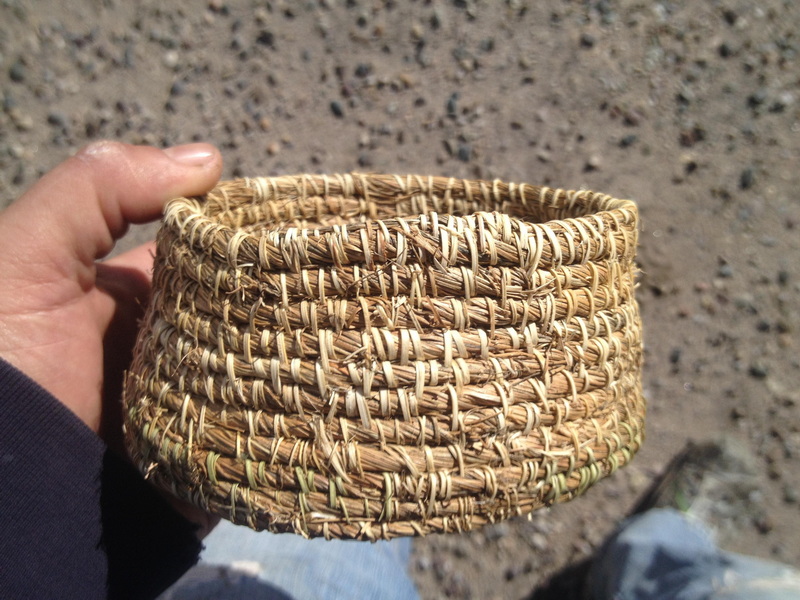
Coiling involves wrapping a long strip around a core material (like a thicker yucca leaf) and securing it with stitches or additional weaves.
1. Begin by creating a small circular base using coiling techniques.
2. Gradually build up the sides by continuing to wrap around your core material.
3. Secure each coil with stitches made from additional yucca strips or thread.
To personalize your tiny yucca basket, consider adding decorative elements:
- Use contrasting colors of yucca or other natural fibers.
- Incorporate beads or small shells into your weaving for added texture.
- Experiment with different weaving patterns such as twining or coiling for varied designs.
- Consider adding handles made from thicker strips of yucca or other materials for functionality.
Once completed, it's essential to care for your yucca basket:
- Keep it dry and store it in a cool place to prevent mold growth.
- If it becomes dirty, gently wipe it with a damp cloth.
- Avoid exposing it to direct sunlight for prolonged periods as this can cause fading.
- If you notice any fraying edges, trim them carefully with scissors to maintain its appearance.
When creating your tiny yucca basket, draw inspiration from nature around you:
- Observe local flora and fauna; incorporate colors and patterns that resonate with your environment.
- Consider using natural embellishments like feathers or dried flowers that complement your basket's design.
- Reflect on cultural influences; many indigenous cultures have rich traditions of basket weaving that may inspire your style and technique.
Basket weaving can be a communal activity:
- Join local crafting groups or workshops where you can learn from experienced weavers.
- Share your creations on social media platforms or crafting forums; this can provide encouragement and feedback from fellow enthusiasts.
- Consider teaching others how to weave; sharing knowledge helps keep this beautiful craft alive.

Finishing the rim of your basket is crucial for both aesthetics and durability:
1. Once you've reached the desired height, choose a thicker strip of yucca for added strength.
2. Fold this strip over the top edge of your basket's rim.
3. Secure it by tucking it under previous rows or stitching it down using thread or thinner strips of yucca.
4. This not only reinforces the structure but also gives a polished look to your creation.
For added functionality (especially if using baskets for storage), consider adding linings:
1. Fabric linings can enhance aesthetics while providing protection against wear.
2. Choose materials that complement the natural look of yucca—cotton muslin works well due to its softness.
3. Cut fabric slightly larger than the inner dimensions of your basket so that it drapes nicely inside.
4. Attach it using fabric glue or by sewing if you're comfortable with needlework.
While learning any new craft comes with challenges, being aware of common pitfalls can help streamline your experience:
Over-tightening can distort shapes:
- Maintain an even tension throughout; if unsure, err on being too loose rather than too tight initially.
Using unevenly cut strips leads to an unbalanced appearance:
- Take time during preparation; use a ruler if necessary when cutting strips for uniformity.
Insufficient soaking results in brittle strips that break easily during weaving:
- Always soak until they are pliable enough—test flexibility before starting work.
Jumping straight into weaving without planning can lead to frustration:
- Sketch out designs beforehand; having a visual guide helps maintain focus during crafting sessions.
Basket weaving has deep roots in many cultures worldwide:
1. Indigenous tribes in North America have used baskets not only for storage but also in rituals and ceremonies.
2. In Africa, woven baskets often feature intricate patterns symbolizing community stories or individual identities.
3. Asian cultures have utilized bamboo in their baskets due to its strength while incorporating unique designs representing local traditions.
Understanding these cultural contexts can enrich your own practice—consider exploring traditional patterns or methods from different cultures as inspiration!
As you embark on this journey into basket weaving:
- Embrace mistakes as learning opportunities—every expert was once a beginner!
- Allow yourself room for creativity—there are no strict rules when expressing artistic vision!
- Most importantly—enjoy the process! Crafting should be fulfilling above all else!
Weaving a tiny yucca basket is not only a rewarding craft but also a wonderful way to connect with nature and tradition. With practice, you can create intricate designs that reflect your personal style while preserving this ancient art form. Whether you're making baskets for functional use or decorative purposes, each piece tells a story of creativity and connection to our environment.
Creating tiny yucca baskets is more than just crafting; it's an exploration of creativity intertwined with history and culture. Each weave connects us back through generations who have utilized their surroundings innovatively—transforming simple materials into functional art forms that serve both purpose and beauty in our lives today!
Whether you're looking to make gifts for loved ones or simply wish to enhance your home decor with handmade items steeped in tradition—basket weaving opens doors not only creatively but also socially as we engage with others who share our passions!

The best types of yucca for basket weaving are those with long, flexible leaves such as Yucca filamentosa or Yucca gloriosa.
Yes, dried yucca leaves can be used; however, they should be soaked longer than fresh ones to regain flexibility.
The time required can vary based on skill level and design complexity, but typically it takes about 1-3 hours.
Basket weaving can be challenging at first but becomes easier with practice. Starting with simple patterns is recommended for beginners.
Many online platforms offer tutorials and classes on basket weaving techniques; local craft stores may also provide workshops.
[1] https://www.matttommey.com/how-to-make-baskets.html
[2] https://www.earthnativeschool.com/yucca-baskets
[3] https://blog.csdn.net/Angelina_Jolie/article/details/139147709
[4] https://www.youtube.com/watch?v=FOFWLdKKnu0
[5] https://www.facebook.com/tucsonindiancenter/videos/basket-weaving-pt-2-cleaning-yucca-and-staring-our-knots/2996841107209041/
[6] https://blog.csdn.net/u012549626/article/details/127719965
[7] http://www.icwa.org/wp-content/uploads/2015/11/WR-1.pdf
[8] https://www.foragefinds.com/stream/13-wild-plants-that-can-be-used-for-natural-baskets/
[9] https://www.sohu.com/a/202438909_498098