Views: 222 Author: Tomorrow Publish Time: 2025-02-14 Origin: Site


Content Menu
● The History of Basket Weaving
● Selecting Your Weaving Material
● Step-by-Step Guide to Weaving a Loose Basket
>> Step 1: Preparing the Materials
● Tips for Successful Basket Weaving
● Advanced Techniques in Basket Weaving
>> Adding Handles or Embellishments
>> Common Challenges in Basket Weaving
>> Difficulty in Maintaining Tension
● FAQs
>> 1. What materials are best for beginners in basket weaving?
>> 2. How long does it take to weave a basket?
>> 3. Can I use synthetic materials for weaving?
>> 4. How do I care for my woven basket?
>> 5. Is there a specific technique for creating patterns in my basket?
Basket weaving is an ancient craft that combines artistry and functionality. Crafting a loose basket allows for creativity while also producing a practical item that can be used for storage, decoration, or gifting. This article will guide you through the process of weaving a loose basket, from selecting materials to finishing touches. Whether you are a novice or an experienced crafter, this comprehensive guide will provide you with all the information you need to create your own unique loose basket.
Before diving into the crafting process, it's fascinating to explore the history of basket weaving. This craft dates back thousands of years and has been practiced by various cultures worldwide. Ancient civilizations utilized baskets for practical purposes such as gathering food, storing items, and carrying goods. Over time, basket weaving evolved into an art form, with intricate designs and techniques being passed down through generations.
In many indigenous cultures, baskets are not only functional but also hold cultural significance. They are often used in rituals and ceremonies, symbolizing community and heritage. Understanding this rich history adds depth to the craft and can inspire your own weaving journey.
Before starting, gather the following materials:
- Weaving Material: Natural fibers such as willow, reed, or grass are ideal for creating a loose basket. Each material has its unique texture and flexibility.
- Tools: A pair of scissors, a knife for cutting stakes, and a measuring tape are essential tools for this project.
- Water: For soaking the weaving materials to make them more pliable.
- Base Material: A sturdy base such as a wooden board or a flat surface will help keep your basket stable during the weaving process.
Choosing the right material is crucial for your basket's overall look and durability. Here are some popular options:
- Willow: Known for its flexibility and strength, willow is one of the most common materials used in basket weaving.
- Reed: This material is lightweight and easy to work with, making it perfect for beginners.
- Grass: Dried grasses can create beautiful textures but may require more skill to weave effectively.
Experimenting with different materials can lead to unique designs and outcomes.
1. Soak the Weaving Material: Soak your chosen material in water for at least 30 minutes. This process softens the fibers, making them easier to bend and weave.
2. Cutting the Stakes: Cut your stakes (the vertical pieces) to your desired height. A good height for a loose basket is between 8 to 12 inches.
1. Arrange the Stakes: Place the stakes in a circular formation on your base material. Ensure they are evenly spaced; typically, you will need about 6-8 stakes depending on your desired size.
2. Secure the Stakes: Use twine or string to tie the stakes together at the base. This will keep them stable while you weave.
1. Start Weaving: Take your first piece of weaving material and begin wrapping it around the stakes. Start from the bottom and work your way up.
2. Twining Technique: Use a twining technique by alternating between two pieces of weaving material. This creates a sturdy yet loose structure.
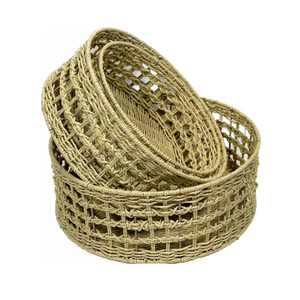
3. Leave Gaps: To achieve a loose basket, ensure there are gaps between each row of weaving. This will allow for flexibility and an airy feel.
1. Continue Weaving: Keep adding rows until you reach your desired height (usually around 10-12 inches). Adjust the tightness of your weave as you go; looser weaves will create a more relaxed look.
2. Create Corners: When you reach corners, fold the weaving material over and continue wrapping it around adjacent stakes.
1. Trim Excess Material: Once you reach your desired height, trim any excess weaving material.
2. Secure Ends: Tuck in any loose ends of weaving material into the basket's interior or tie them off securely.
- Experiment with Different Materials: Try using different types of natural fibers to see how they affect the basket's look and feel.
- Practice Patience: Weaving takes practice; don't rush through it.
- Watch Tutorials: Consider watching online tutorials for visual guidance on techniques (see video links below).
- Join a Community Class: Engaging with other weavers can provide valuable insights and support as you develop your skills.
For additional help, check out these video tutorials:
Once you've mastered basic techniques, consider exploring advanced methods that can enhance your basket-making skills:
Adding color to your baskets can create stunning visual effects. You can dye natural fibers using plant-based dyes or fabric dyeing techniques. Experiment with different colors and patterns to personalize your baskets further.
To create intricate patterns in your baskets, try using different weaving techniques such as:
- Over-and-under Weave: This classic technique alternates between over and under each stake.
- Twining Variations: Experiment with different twining patterns by varying how you twist each strand.
Handles can be added for practicality or aesthetics:
1. Creating Handles: Use thicker pieces of material to create sturdy handles on either side of your basket.
2. Embellishments: Consider adding beads or decorative elements woven into your design for added flair.
While basket weaving is enjoyable, beginners may face some challenges:
Maintaining consistent tension while weaving is crucial for achieving a balanced look. If you find certain areas too tight or too loose:
- Adjust your grip on the materials as you weave.
- Use clips or weights to hold sections in place temporarily.
Fraying edges can occur if materials are not properly secured:
- Ensure that all ends are tucked away securely within the weave.
- Consider using fray check solutions available at craft stores if working with synthetic materials.
Weaving a loose basket is not only a fulfilling craft but also an opportunity to express creativity while creating something useful. With practice, anyone can master this skill and produce beautiful baskets that can be used in various ways—from storage solutions to decorative pieces that brighten up any space.
As you embark on this journey of crafting baskets, remember that each piece tells a story—your story as an artist—and every weave is an opportunity to explore new techniques and ideas.
Natural fibers like willow or reed are ideal for beginners due to their flexibility and ease of use.
The time varies depending on complexity; however, expect to spend several hours on a simple basket.
While natural materials are preferred for their aesthetic and flexibility, synthetic materials can also be used but may not provide the same traditional look.
Keep it dry and avoid exposing it to direct sunlight for extended periods to prevent fading.
Yes! Techniques like twining or coiling can create unique patterns; experimenting with different weaves can yield exciting results.
[1] https://www.gathered.how/arts-crafts/weaving/beginners-guide-to-basket-weaving
[2] https://a-suozhang.xyz/2020/04/21/Paper-Writing/
[3] https://www.youtube.com/watch?v=F5fssON85g4
[4] https://blog.csdn.net/u012549626/article/details/127719965
[5] https://www.jonsbushcraft.com/basic_basket_old_version.htm
[6] https://www.corrdata.org.cn/news/industry/2018-11-19/171052.html
[7] https://christinedebeer.ca/tutorials/weaving-a-diagonal-green-grass-basket
[8] https://service.chasedream.com/ChaseDream/BeYourBetterSelf/Be_Your_Better_Self_2nd_Edition_by_Sonia.pdf